
Garden of the Gods
This well-known park is a useful western Colorado Springs orientation point. Sharing whether your address is east or west of the park helps clarify the general approach, but the property address remains the key for routing.
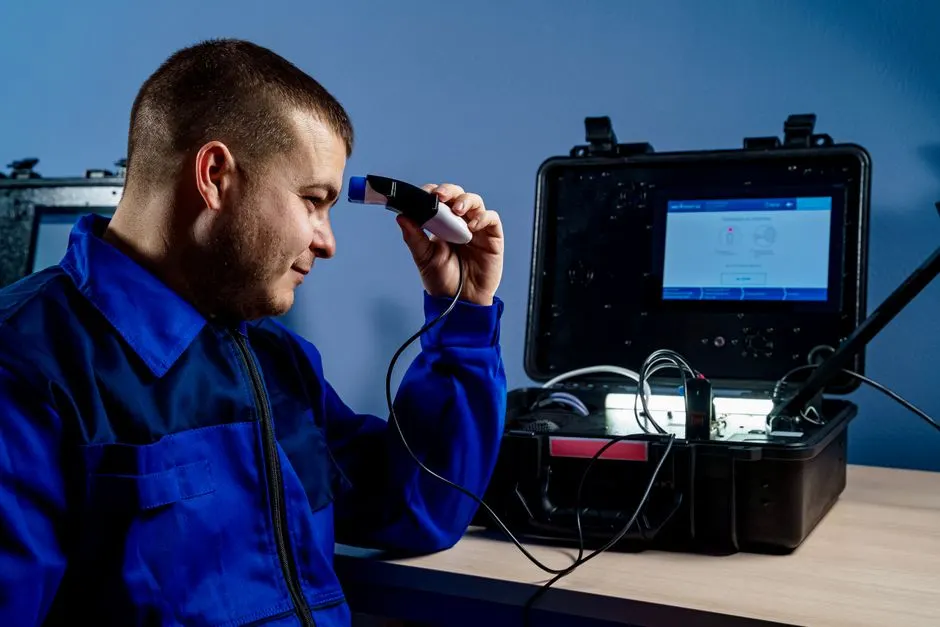
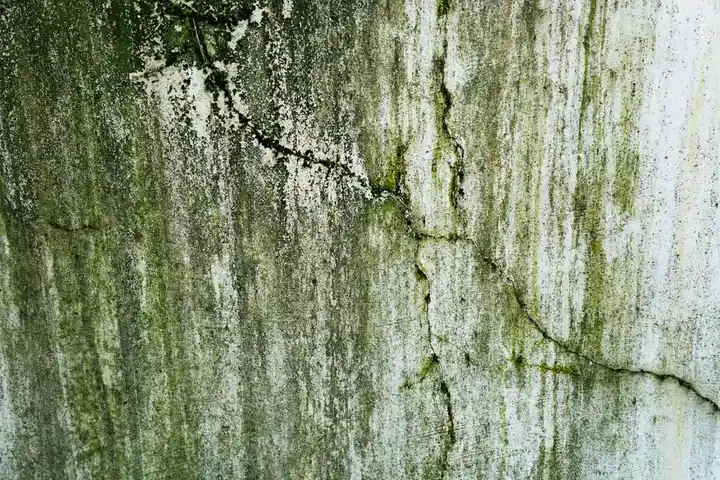
Mold Inspection and Testing in Westside is an indoor environmental inspection that identifies moisture conditions and evaluates suspected fungal growth when a leak, odor, or visible spot raises concern. Colorado Springs Mold Testing serves Westside properties in El Paso County, from older homes with basements and crawl spaces to renovated houses and small commercial buildings. The Mesa Road area and Manitou Boulevard area each bring different access and building-layout questions, so we start with the affected room and trace likely moisture paths before choosing samples.
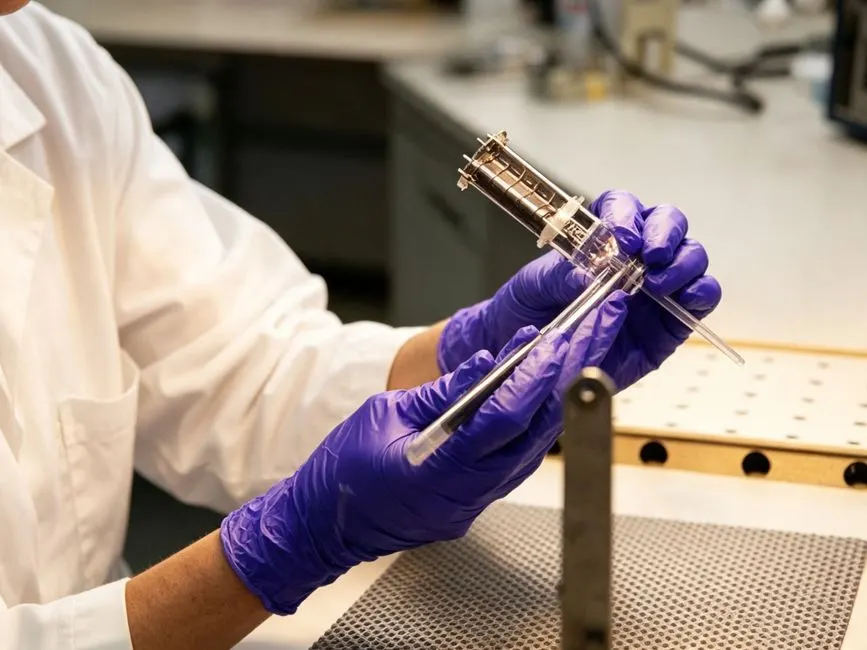
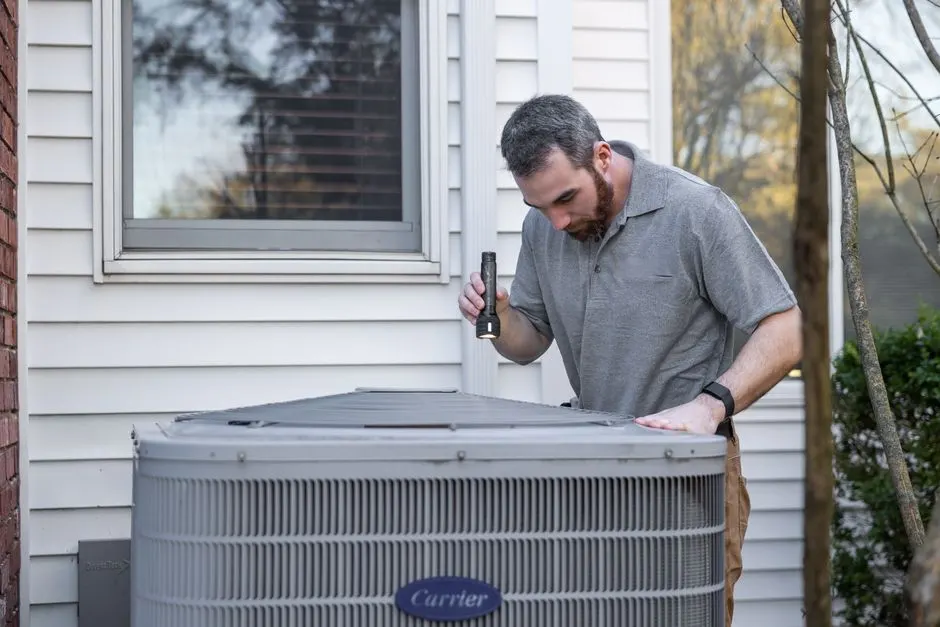
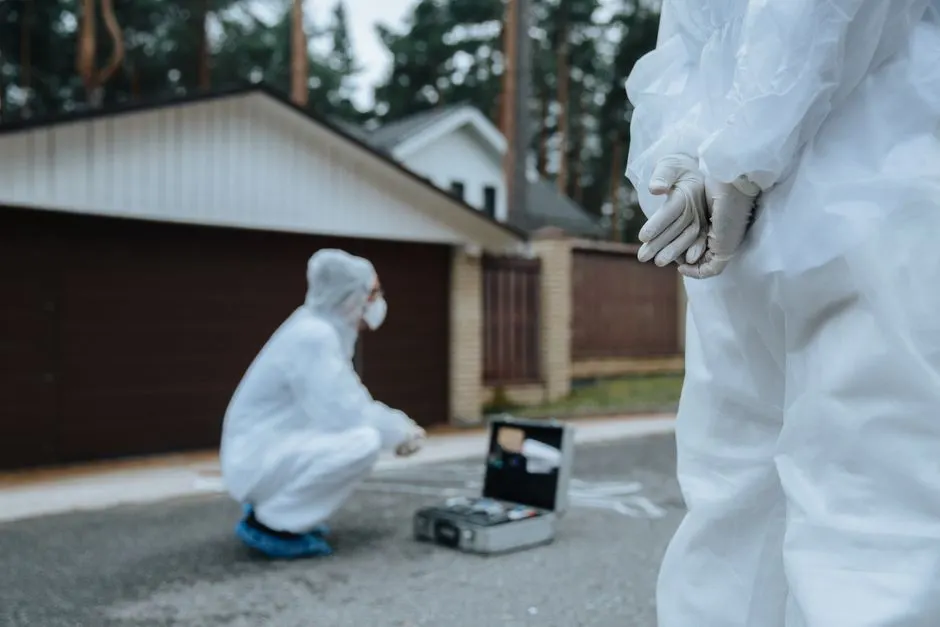
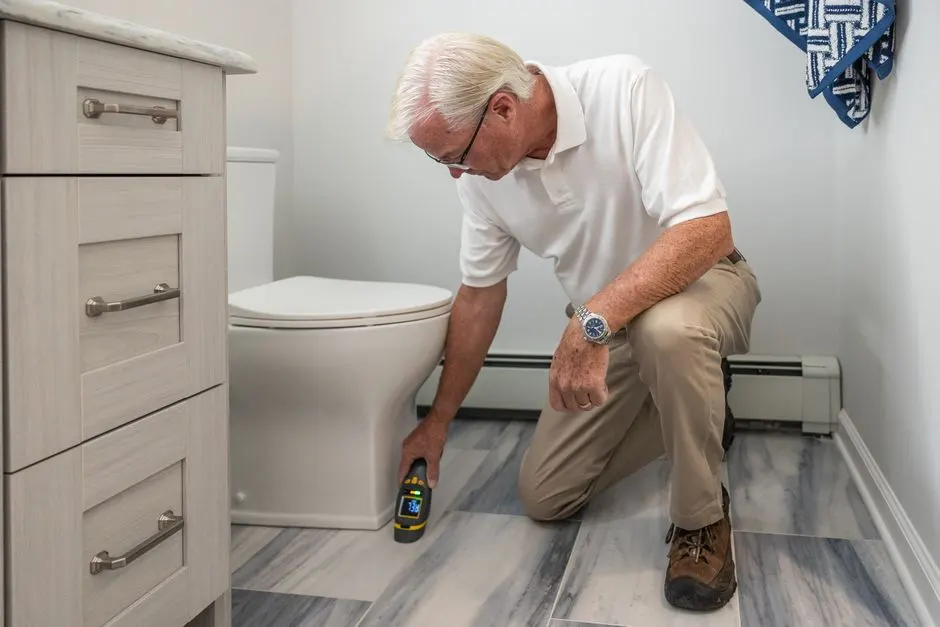
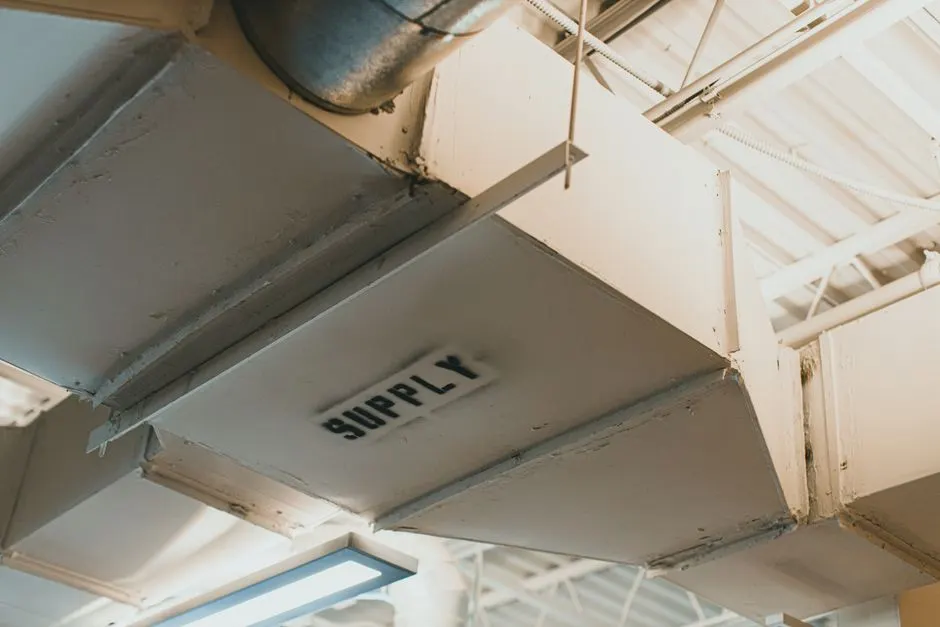
Our process combines a visual inspection with moisture readings and targeted mold testing near Westside when sampling will answer a specific question. We check around plumbing, exterior walls, attic penetrations, and HVAC components, then explain what the observations mean in plain language. A moisture meter or thermal imaging camera helps locate areas needing closer inspection; neither tool alone identifies mold. If sampling is warranted, we collect the appropriate material and arrange laboratory analysis. You receive findings tied to the property, not a generic checklist.
Westside's mix of older homes, remodels, and commercial spaces calls for inspection choices matched to the concern, not automatic sampling in every room. We assess visible growth, moisture, humidity, and likely entry points, then recommend testing when the result can guide a repair or health-related building decision. If you need mold testing for a home in Westside, Colorado, tell us about recent leaks, affected materials, and whether the odor changes with heating or ventilation. That history helps us focus the visit.
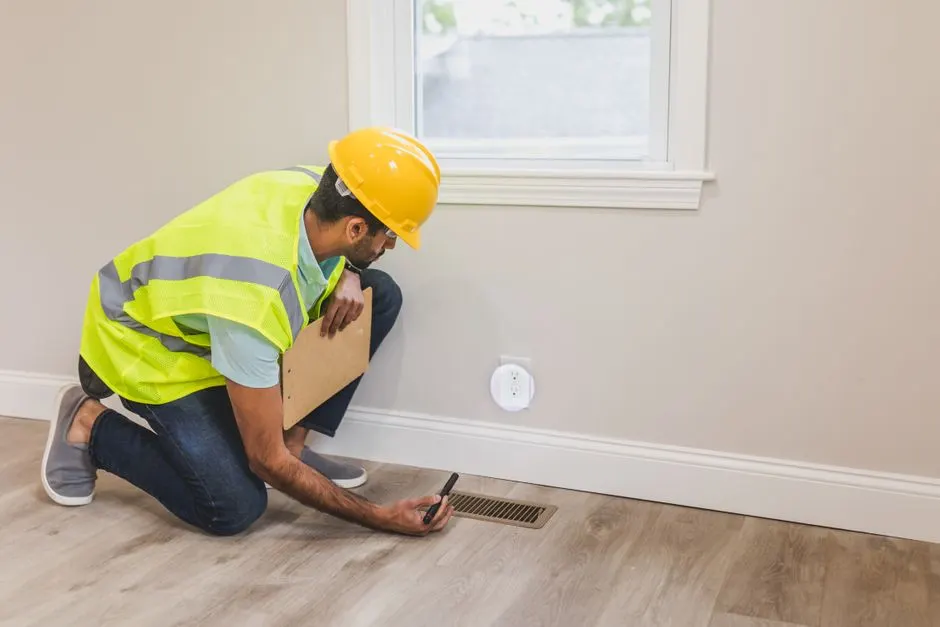
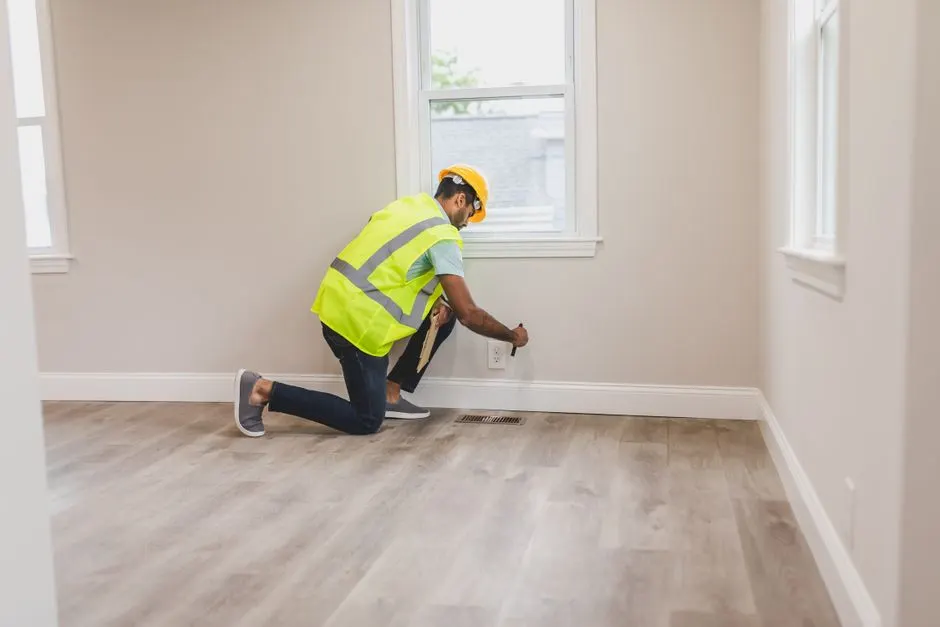
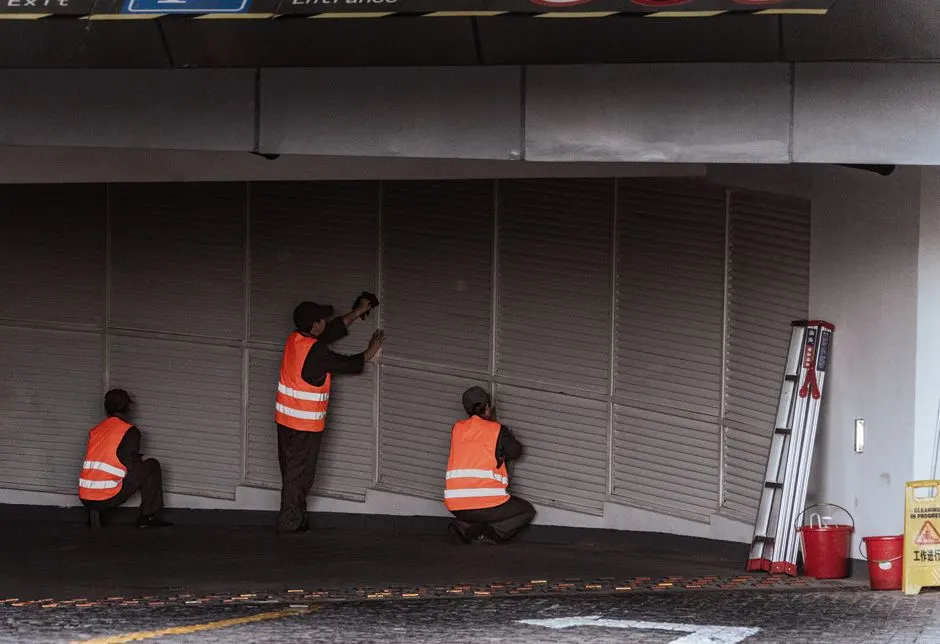




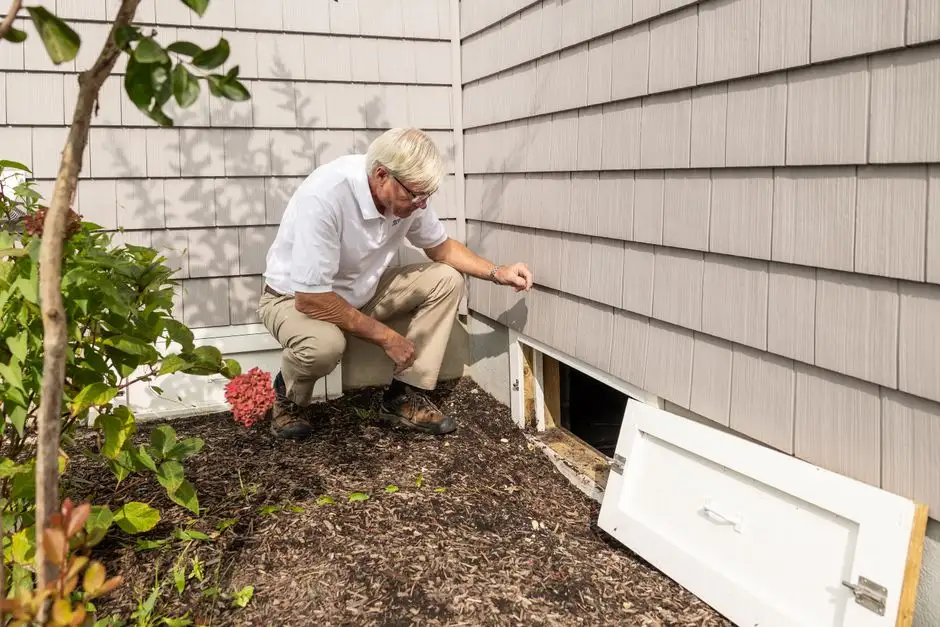


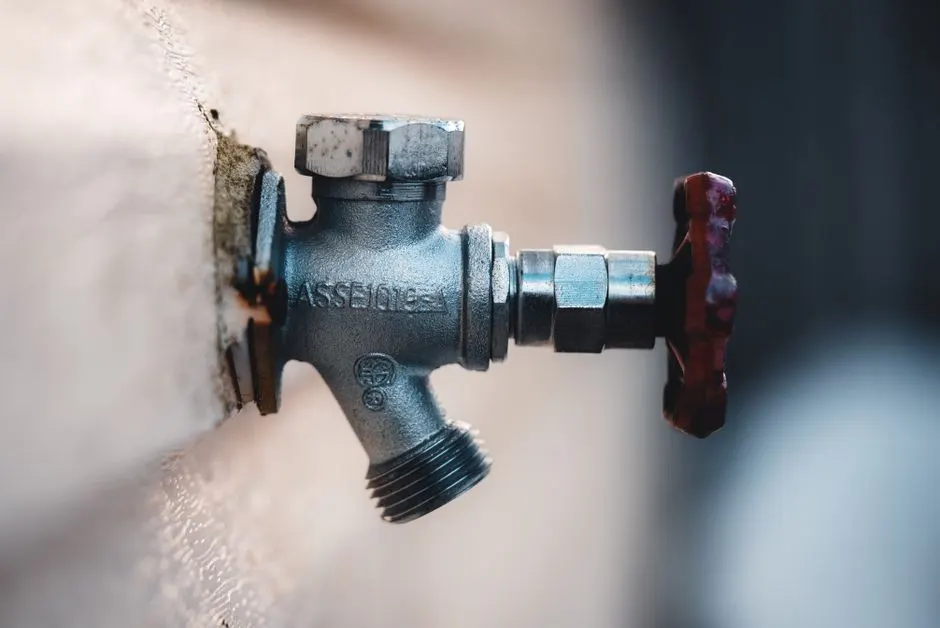


Westside properties face a mix of terrain, weather, and building-age factors that can complicate moisture investigations. Hilly terrain can create localized drainage and foundation moisture concerns, while rapid weather changes and freeze-thaw cycles can expose roof or plumbing entry points. Older homes may include basements, crawl spaces, or legacy plumbing, each with different access and inspection needs. Our mold assessment company serving Westside, Colorado, traces the reported condition to the building evidence rather than assuming one cause fits every property.
A sloped lot, downspout discharge, or local drainage pattern can affect where water reaches a foundation. Interior dampness may also reflect condensation or plumbing, so terrain alone does not establish the cause. Repeated dampness is more useful evidence than a single observation after unusual weather.
A slow leak can wet framing or cabinet materials before water appears on a floor. Older homes with altered plumbing may have repair history that is not obvious at the fixture. Musty odor or swelling can be the first sign, but neither confirms mold without inspection.
Roof penetrations, flashing details, and indoor moisture moving upward can produce similar attic stains. Weather changes may reveal a weak point, while an old dry mark can remain after a repair. The date and pattern of staining help, but inspection is needed to distinguish current from historic conditions.
Indoor humidity, limited air movement, and a cool surface can create condensation without a plumbing leak. Furniture placed close to an exterior wall can restrict airflow, allowing dampness to persist. A hygrometer reading and surface observations help put the condition in context.
Call for an inspection when a musty odor continues after a leak repair, a stain returns, or damp materials stay wet longer than expected. In Westside, older homes can have basements, crawl spaces, or legacy plumbing that make the source less obvious from the living area. If you are searching Mold Inspection and Testing near me in Westside CO, note the room, the first date you noticed the issue, and any recent water entry. That information helps us focus the visit.
A musty odor returns after cleaning
A recurring odor can point to a moisture source or affected material that surface cleaning did not reach. Check whether it is strongest near a sink, basement wall, closet, or HVAC register. If it persists for several days or returns after ventilation, arrange an inspection rather than masking the smell.
A ceiling or wall stain grows after rain
A changing stain suggests water may still be entering through a roof, exterior joint, or plumbing route. Take a photo and note whether it changes after storms or freeze-thaw weather. Active water entry should be repaired promptly; inspection can then document affected materials and remaining moisture.
Basement materials feel damp or cool
Dampness along a foundation wall or at the bottom of stored items deserves a closer look, especially if the condition repeats. Condensation, drainage, and plumbing can produce similar signs, so readings and a visual inspection help narrow the cause. Move valuables away from the affected area while you arrange follow-up.
Bathroom caulk or cabinet edges discolor
Discoloration can be surface growth, residue, or staining from repeated moisture. Check for loose fittings, a soft cabinet base, or water escaping around the tub or sink. If material remains damp or the mark returns after cleaning, an inspection can assess adjoining surfaces and identify the moisture source.
Odor or dust appears at HVAC vents
A smell near a register can come from several sources, including dust, a damp component, or material outside the duct. Do not assume the duct is contaminated from odor alone. We inspect accessible components and nearby moisture conditions, then recommend testing only if the evidence supports it.
We use familiar Westside landmarks to orient visits and confirm which side of the area your address is on. Garden of the Gods and Red Rock Canyon Open Space are useful geographic reference points, while Bear Creek Regional Park and Pleasant Valley Community Park help distinguish nearby routes. These landmarks are for navigation only; proximity to open space does not establish a mold or moisture problem. Give us your full address and access notes so we can reach the correct property entrance.
This well-known park is a useful western Colorado Springs orientation point. Sharing whether your address is east or west of the park helps clarify the general approach, but the property address remains the key for routing.
Red Rock Canyon Open Space provides a recognizable reference for the western side of the service area. It can help distinguish nearby streets during scheduling; it is not used as an indicator of building moisture or mold conditions.
Bear Creek Regional Park is a familiar local landmark that helps orient routes through the Westside area. We use it only as a geographic reference and confirm the exact property address and entrance before the inspection.
Pleasant Valley Community Park provides a local point of reference when discussing addresses in the surrounding area. Mentioning it can help clarify location during booking, while inspection planning is based on the building and access details.
Plus surrounding El Paso County neighborhoods, with same-day routing on most appointments.
Averaging 4.8 / 5 across verified reviews.
“We had a musty smell in the basement after a pipe leak, and the inspection focused on the repaired line and the wall beside it. The technician explained the moisture readings and why one sample made sense instead of testing every room. We left with a clear list of what needed repair and what was already dry.”
Megan R.
Mesa Road area
“Our home inspection found an old ceiling stain, and we wanted to know whether it was still damp before closing. The team checked the attic access and took readings at several points, then explained what the thermal scan could and could not show. The report was easy to follow and stayed focused on the actual concern.”
Daniel K.
Uintah Street area
“After bathroom cleanup, we needed someone to check the defined work area and document the conditions. The technician looked at the adjoining wall, checked moisture, and explained the sampling plan before collecting anything. The results helped us understand the next step without turning one repaired area into a claim about the whole house.”
Laura P.
Holland Park area
As November brings colder conditions, Westside owners should watch for roof entry, plumbing vulnerabilities, and condensation around cool surfaces. Winter freeze-thaw cycles can reveal weak points; spring brings snowmelt and rain that may expose drainage issues. Summer storms can produce sudden roof or window leaks, while fall is a useful time to check gutters and attic conditions before colder weather settles in. If you need same-day mold inspection and testing in Westside, call when a leak is active so we can discuss the appropriate inspection sequence.
Snowmelt and spring rain can make existing drainage or foundation concerns easier to notice. Watch for damp basement corners, water at window wells, or a stain that changes after precipitation. A single wet day is not a diagnosis, but repeated moisture deserves documentation.
Tip: Photograph the affected area and record when water appears. Keep downspouts clear and direct water away from the foundation where appropriate, then arrange an inspection if dampness returns.
Summer storms can create short, intense periods of water entry around roofs, windows, and exterior joints. Warmer indoor conditions can also make damp materials produce stronger odors. Check ceilings and closets after storms, especially where a prior repair was made.
Tip: Do not close up a wet area behind furniture or stored items. Note the storm timing and affected room, and have active leaks repaired before testing is used to assess remaining conditions.
Fall is a practical time to notice roof wear, clogged drainage paths, and attic staining before winter weather. Cooler nights can also increase condensation on surfaces that receive little airflow. Older Westside homes may benefit from checking accessible basements and plumbing areas.
Tip: Inspect accessible attic and lower-level areas, and look for recurring stains rather than relying on one visual check. If you find a damp material, record its location and arrange a moisture assessment.
Winter freeze-thaw cycles can stress exposed plumbing and roof details, while cold surfaces encourage condensation when indoor humidity is elevated. A small leak can become evident as a ceiling mark, cabinet swelling, or musty odor. Address active water entry first.
Tip: Keep an eye on vulnerable plumbing and ceilings after temperature swings. If you find water, protect belongings, contact the appropriate repair trade, and schedule an inspection to document affected materials once it is safe.
Westside is part of our wider Colorado Springs service region, so nearby neighborhoods can be scheduled alongside inspections in the same general area. We serve homes, businesses, buyers, and property managers across the listed communities. If a leak or odor is affecting more than one property, tell us the addresses and priorities; we will help organize the inspection sequence without confusing one building's findings with another's.
(City)
Downtown Colorado Springs lies east of Westside within the same city service area, making it a natural nearby destination for inspection appointments.
View Downtown Colorado Springs(City)
Old Colorado City borders the western Colorado Springs area and is closely connected to Westside by local streets and commercial routes.
View Old Colorado City(City)
Broadmoor is south of the central Westside area within Colorado Springs, and visits there can be coordinated as part of regional service coverage.
View Broadmoor(City)
Broadmoor Bluffs is part of the southern Colorado Springs service region, beyond the central Westside neighborhoods.
View Broadmoor Bluffs(City)
Cheyenne Canyon lies south of Westside within the broader Colorado Springs area and shares regional scheduling coverage.
View Cheyenne Canyon(City)
Stratton Meadows is another southern Colorado Springs service area, connected to Westside through the city's local road network.
View Stratton MeadowsReal answers from our team for the questions we hear most often before a job starts.
A lingering odor, damp basement, or post-cleanup question deserves a clear inspection plan. Call Colorado Springs Mold Testing at 866-896-8166 and tell us your Westside address, affected rooms, and leak history. We serve El Paso County, including 80904, 80905, and 80906, and explain the next step before testing begins. Our team documents what we inspect and why each sample is collected.
Call Colorado Springs Mold Testing at +1 866-896-8166 to talk through a leak, musty odor, visible growth, or post-remediation question. Our office hours are Monday through Friday, 8:00 a.m. to 6:00 p.m.; leave a message outside those hours and we will respond during the next business period. We serve Colorado Springs, CO, including ZIP codes 80909, 80904, and 80906.
Phone
+18668968166Address
Colorado Springs
Hours
Mon–Fri: 7AM – 7PM
Sat: 8AM – 4PM
Sun: Emergency Only
24/7 Emergency Available