Logo
Get Estimate

Mold Damage Assessment Colorado Springs CO

Find the moisture source and document affected materials


Mold Damage Assessment Colorado Springs CO helps homeowners, buyers, landlords, and property managers understand what visible growth or a musty odor has damaged. We trace moisture, inspect accessible building materials, and document findings so you can plan repairs after a leak, roof issue, or suspected hidden growth. Our mold damage evaluation Colorado Springs service gives you a clear account of conditions and practical next steps for your property.

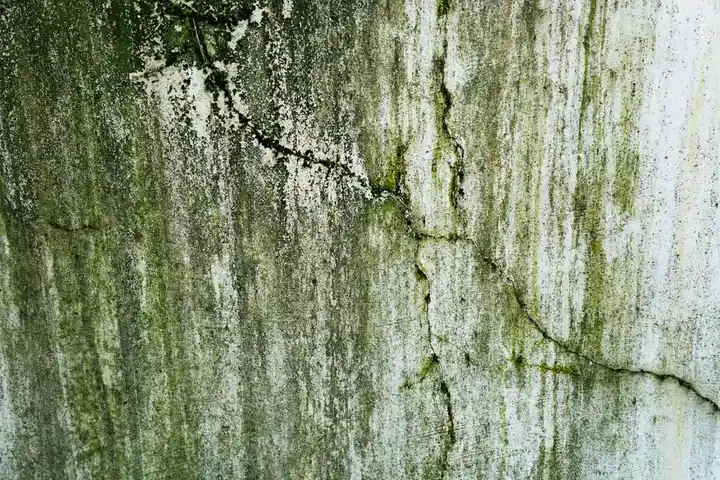
Close-up of a weathered wall with cracks and green algae, texture details.
Licensed Licensed & Bonded
Fully Insured Insured & Bonded
24/7 Emergency Same-Day Response
Warranty Backed Workmanship Guaranteed in Colorado Springs

What Your Assessment Covers

Your assessment covers the reported concern, accessible surrounding materials, moisture indicators, and a written record of observed conditions. We add sampling only when it answers a defined question, such as whether a particular surface or air location needs laboratory analysis. Destructive openings, remediation, and repairs are separate work; we explain when further access would help confirm concealed conditions.

Visual Condition Mapping

We inspect accessible surfaces around the reported leak, odor, or visible growth and record the locations of staining, suspect growth, damaged finishes, and material deterioration. This map helps you see how the concern relates to nearby rooms and building features.

Moisture Measurements

We take comparative readings at suspect and nearby reference areas, then record the locations and values in context. Measurements help indicate whether a surface is damp at the time of inspection; they do not, by themselves, identify mold species or prove the full extent of concealed damage.

Photographs And Notes

Your report includes relevant photographs and written observations tied to rooms or building components. We note what was accessible, any odor or visible condition, and where readings were taken, giving you a practical record for a repair discussion or property file.

Targeted Sampling Option

When sampling is appropriate, we collect air or surface samples from selected locations and label them for laboratory analysis. We explain what the method can answer and how results fit with the inspection; sample findings do not replace an assessment of moisture sources and affected materials.

Actionable Findings

We explain which conditions need prompt attention, what should be checked next, and whether drying, repair, added access, or post-remediation testing fits the findings. You leave with a clear sequence rather than a list of unexplained readings.

Mold Damage Assessment Colorado Springs CO


Mold Damage Assessment Colorado Springs CO is a building-condition inspection that identifies moisture-related fungal growth, evaluates affected materials, and documents conditions after water intrusion or suspected mold. We inspect the reported area and nearby rooms, use a moisture meter and thermal imaging camera where appropriate, and record visible conditions, moisture readings, and likely pathways. The assessment separates observable damage from areas that need further investigation or sampling. You receive findings that help organize repair decisions, communicate with a contractor, or support a property transaction.

Colorado Springs properties face roof and plumbing leaks, freeze-thaw exposure, condensation, and indoor humidity changes that can leave damage behind after surfaces look dry. In El Paso County, a small ceiling stain can lead to hidden mold behind drywall or damp insulation, especially after an unnoticed leak. We document the extent and look for the moisture source rather than treating surface discoloration as the whole problem. If you need to document mold damage in a Colorado Springs property, our inspection records visible evidence and affected locations in a practical report.

What To Expect During Assessment

A Colorado Springs mold damage evaluation starts with your concern and ends with documented findings and a practical next step. We keep the visit focused on the affected building areas, explain readings as we take them, and distinguish confirmed observations from areas that need further access or sampling.

01

Schedule

Call or book online — a real human picks up and confirms a 2-hour arrival window.

02

Diagnose

Licensed tech inspects on-site, then walks you through the cause and your options.

03

Fix

The job is completed to code and done right the first time — no shortcuts, no surprises.

04

Guarantee

Every job backed by a written workmanship warranty — and we stand behind it.

Tools And Assessment Methods

Tools & Equipment

Moisture meter

We use a moisture meter to take direct readings at suspect building materials and compare them with nearby reference areas. Results help locate dampness and guide follow-up checks.

Pinless moisture meter

A pinless moisture meter scans surfaces without inserting pins, making it useful for quickly comparing larger sections of drywall, flooring, or other compatible materials.

Thermal imaging camera

A thermal imaging camera identifies temperature patterns that can guide investigation of possible moisture. We verify suspect areas with direct measurements because an infrared image alone does not establish water or mold.

Hygrometer

A hygrometer records indoor relative humidity and temperature during the visit. Those conditions help interpret condensation risk and material readings, particularly in basements, bathrooms, and poorly ventilated rooms.

HEPA air sampling pump

When air sampling is warranted, a HEPA air sampling pump draws a measured volume through a spore trap cassette. We document the sample location and use laboratory results as one part of the overall assessment.

FLIR thermal imaging camera

FLIR equipment can provide an infrared view of temperature differences across building surfaces. We use it as a screening aid, then check the surface with moisture tools and document the limits of interpretation.

Methods & Standards

Comparative Moisture Mapping

We take readings at the suspect area and at comparable nearby materials, recording locations and observed conditions. Differences help identify where moisture is concentrated and whether it extends beyond the obvious stain. We interpret readings according to material and tool limitations, not as a stand-alone mold test.

ASTM D7338 Assessment Guidance

We use ASTM D7338 Standard Guide for Assessment of Fungal Growth in Buildings as a reference for organized building assessment. The approach emphasizes observations, moisture history, affected materials, and the limits of available access. It supports a defensible description of conditions without suggesting that one test can characterize every area.

Targeted Air Or Surface Sampling

Sampling is selected to answer a defined question, such as whether airborne fungal structures are elevated in a particular room or what is present on a visible surface. We label locations, use suitable collection media, and interpret laboratory results alongside moisture and visual findings.

Moisture Source Tracing

We follow water evidence from the reported point toward nearby plumbing, exterior openings, roof assemblies, and condensation-prone surfaces. A source pathway helps explain why a material became damp and informs repair priorities. If the source is not visible, we document the limits and recommend focused follow-up.

When To Arrange An Assessment

01

A frozen plumbing line leaks into a Colorado Springs basement during a winter cold snap.

What we do: We inspect the wet area and adjoining walls, document visible material changes, and take moisture readings to map the affected zone. We also check nearby rooms for water travel and note whether the leak source appears controlled. If hidden materials remain suspect, we identify the most useful location for further access.

→ You get a documented baseline for drying and repair decisions, with clear locations to recheck before closing walls or replacing finishes.

02

A roof leak after a storm leaves ceiling discoloration in a Briargate or Broadmoor home.

What we do: We assess the ceiling and nearby attic or wall areas that are accessible, looking for staining, dampness, and material deterioration. Thermal imaging can guide targeted moisture checks, while direct readings confirm whether a surface is damp. We record the scope and point out any area where safe access is limited.

→ You can distinguish an old mark from current moisture evidence and give your roofer or repair contractor a focused inspection record.

03

A seller needs to assess an old bathroom leak before a Colorado Springs home sale.

What we do: We inspect the former leak location, adjacent finishes, and accessible plumbing-side surfaces, then document current moisture conditions and visible repairs. If you need a mold damage inspection for a home sale in Colorado Springs CO, we make the report clear about observed facts and inspection limits.

→ You gain a concise record to share during the transaction and can address any further inspection question before it delays the next step.

04

A property manager reports musty odor and staining in a shared basement or utility room.

What we do: We inspect the reported room and surrounding accessible areas, check humidity and material moisture, and note potential water pathways. Where airflow or concealed materials raise a specific question, we discuss targeted sampling or additional access. Findings are organized by location so the manager can coordinate building work.

→ The property team gets defined affected zones, documented conditions, and a practical sequence for investigating, repairing, and verifying the space.

How Assessment Works In Colorado Springs

Colorado Springs sits at elevation in a dry climate, but low outdoor humidity does not prevent indoor leaks, condensation, or mold. Cold winter nights can chill exterior walls and plumbing areas; warm indoor air then condenses on cold surfaces. Summer storms and roof wear can introduce water through ceilings, while basement and crawl-space conditions vary with drainage and ventilation. We check the moisture pattern rather than assuming the climate has dried a building. In older homes around Old Colorado City and the Westside, additions and repaired assemblies can create different material transitions; newer Briargate homes still need careful checks after plumbing failures. Our Colorado Springs mold damage assessor records accessible conditions and explains where a wall cavity or attic area needs closer access. If you need to assess building materials affected by mold Colorado Springs CO, we focus on the affected room, adjoining surfaces, and likely water pathway. We serve Colorado Springs, CO, and surrounding parts of El Paso County, coordinating the assessment around the reported concern and the property's accessible areas.

Neighborhoods We Serve

  • Old Colorado City

    Older homes and later additions can have mixed wall and ceiling assemblies. We compare the leak area with adjoining materials and document any access limits before conclusions are drawn.

  • Broadmoor

    Large homes can have multiple levels, finished basements, and complex rooflines. We map affected rooms and check nearby spaces so a localized stain is not treated as the whole moisture pattern.

  • Briargate

    After a plumbing leak or storm-related roof issue, we inspect the reported area and adjacent finishes, recording readings that help guide drying and repair decisions.

  • Ivywild

    Mixed building ages and renovations can make past repairs difficult to read. We note visible patching, current moisture evidence, and the locations that may need a closer look.

Local Conditions We Plan For

  • Cold exterior surfaces and indoor humidity create winter condensation

    Condensation can dampen window surrounds, exterior corners, or poorly ventilated rooms without a plumbing leak. We compare humidity with material readings and document where repeated surface dampness could affect finishes.

  • Storm-driven roof water enters around aging shingles or flashing

    Water can travel along framing before staining appears, so the visible ceiling mark may not align with the roof entry point. We check accessible surrounding areas and record where additional attic access is needed.

  • Basement dampness follows plumbing or exterior water intrusion

    A basement may retain moisture in stored materials or lower wall areas after the original event. We inspect accessible surfaces, check humidity and readings, and distinguish current dampness from old staining where evidence allows.

Ceiling Leak, Clear Repair Area

Before

A homeowner noticed a brown ceiling stain after a roof leak but did not know whether the damage stopped at the visible mark. The surface looked dry, while an adjacent corner smelled musty. No written record showed where the leak traveled or whether nearby drywall remained damp.

After

We documented the ceiling and adjoining wall, recorded comparative moisture readings, and photographed the visible staining. The assessment defined a focused repair area and noted one attic section needing access. The homeowner could direct repair work to the evidence instead of repainting the stain alone.

Maintenance: After the roof repair, check the ceiling and attic area for new staining during the next heavy storm. Keep the assessment report with repair records and arrange a follow-up moisture check if the odor or discoloration returns.

Before

A persistent musty odor in a basement made the owner suspect mold throughout the lower level. Several stored boxes sat against exterior walls, and a prior plumbing repair had left an old stain. The source and extent were unclear.

After

We checked the reported odor area, nearby wall surfaces, and the former plumbing repair location, then recorded humidity and moisture readings. Findings narrowed the concern to two sections for further attention rather than the entire basement. The owner had a documented plan for moving storage and addressing the suspect areas.

Maintenance: Keep boxes several inches away from basement walls and inspect after plumbing work or heavy water entry. Track recurring odor and visible changes, then compare those observations with the documented locations.

Before

Before listing a Colorado Springs home, the seller had repaired a bathroom leak but lacked a record of the nearby wall and flooring condition. The old stain remained visible, making it difficult to explain what was repaired and what remained.

After

We inspected accessible surfaces around the former leak, noted the old stain, checked current moisture, and photographed the area. The report separated visible past damage from conditions found during the visit and identified no other accessible affected location in the inspected area. The seller had a clear record for transaction discussions.

Maintenance: Keep plumbing repair receipts and the assessment report together. If the area is opened or rebuilt, document the work and arrange a follow-up check if moisture or odor returns before closing.

Solve Mold Damage Uncertainty

A leak can stop while damp materials remain, and a musty odor can persist after a room looks clean. We inspect the affected area, compare moisture conditions, and document what is visible so you can assess building materials affected by mold Colorado Springs properties without guessing or relying on surface appearance alone.

Problem

A ceiling stain remains after a roof or plumbing leak

The visible mark may cover a larger damp area, and repainting before checking moisture can hide continuing damage or leave a repair incomplete.

Our Fix

We inspect the stain and adjacent ceiling or wall surfaces, compare readings, and document any material changes. If results point to concealed moisture, we identify the locations that warrant further access. You can then coordinate source repair, drying, and material decisions using specific inspection findings.

Problem

A musty odor persists despite no visible growth

Odor can point to damp materials in a cavity, attic, basement, or HVAC area, leaving the source unresolved while occupants continue using the space.

Our Fix

We follow the odor through accessible areas and check likely moisture pathways, including nearby plumbing, exterior walls, and ventilation zones. We may recommend targeted sampling or borescope access when inspection clues support it. The findings help narrow the investigation rather than treating odor alone as proof.

Problem

A property buyer needs a documented condition

Without a location-specific record, it is difficult to distinguish an old repaired leak from active dampness or understand what further inspection a purchase decision requires.

Our Fix

We document visible conditions, readings, and access limits in the areas of concern, then explain what the assessment establishes. Buyers and sellers can use the record to discuss repairs or decide whether targeted testing is useful before closing.

Problem

Post-remediation concerns return after repairs

Recurring odor or staining can indicate an unresolved moisture source, incomplete drying, or a remaining affected area that needs evaluation.

Our Fix

We revisit the reported locations, check accessible materials, and compare current conditions with the repair history. Where appropriate, we conduct post-remediation testing and explain whether results support the planned return to use or point to further investigation.

Clear Findings, Practical Next Steps

Clear Findings, Practical Next Steps

A documented assessment helps you make decisions from observed conditions instead of guesswork. We explain what was inspected, where moisture was detected, and which materials need attention, then connect the findings to repair planning or additional testing when warranted.

  • Know What Is Affected

    We map visible growth, staining, and moisture readings by room and surface, helping you distinguish a localized issue from a broader pattern. Our Colorado Springs mold damage assessor records the condition of accessible materials, notes limits to visibility, and identifies where opening a wall or taking samples would answer a specific question.

  • Trace Moisture Patterns

    A moisture meter and pinless moisture meter help compare suspect areas with nearby dry surfaces. That comparison can point toward an active plumbing leak, roof intrusion, or condensation rather than old staining alone. You get a clearer direction for repair, reducing the chance that a cosmetic patch hides a continuing source.

  • Support Repair Decisions

    Your report can help a restoration contractor understand the locations and materials involved before work begins. We describe observed conditions without prescribing remediation beyond our inspection role. For a mold-related property damage inspection Colorado Springs CO owners can use the findings to prioritize containment, material removal, drying, and follow-up verification.

  • Create Useful Records

    We organize notes, photographs, and readings so you can share a consistent record with a buyer, property manager, insurer, or repair professional. A documented baseline is especially useful after a roof or plumbing leak, because it shows which areas were checked and what conditions were present during the visit.

Standards And Documentation

Licensed & Certified

  • IICRC Applied Microbial Remediation Technician — issued by Institute of Inspection, Cleaning and Restoration Certification
  • IICRC Water Damage Restoration Technician — issued by Institute of Inspection, Cleaning and Restoration Certification
  • ASTM D7338 Standard Guide for Assessment of Fungal Growth in Buildings — issued by ASTM International
  • AIHA Laboratory Accreditation Programs — issued by American Industrial Hygiene Association

Verified Reviews

Customer feedback Not provided

A homeowner in Colorado Springs needed to know whether a small plumbing leak had affected the wall beyond the visible stain. The assessment documented the room, checked nearby surfaces, and explained which materials needed follow-up. The clear location notes helped the repair contractor focus the work and gave the owner a useful record.

Customer feedback Not provided

After a roof leak, a family in Old Colorado City was unsure whether the ceiling had dried fully. The inspection compared readings around the stain and recorded the areas that were accessible. They appreciated having the limits explained plainly and knowing which attic location needed a closer check.

Customer feedback Not provided

A property owner in Briargate requested an assessment before discussing an old bathroom leak during a sale. The report included photographs, current moisture observations, and a clear description of the inspected area. It helped the owner answer questions with specific information rather than relying on memory.

Assessment Experience And Training

Our local experience is grounded in building inspection practice, moisture tracing, and clear documentation-not a claim about years or job counts. We follow recognized assessment guidance, including ASTM D7338 Standard Guide for Assessment of Fungal Growth in Buildings, and select tools to match the question at hand. Sampling is handled with clean collection materials and careful labeling; laboratory interpretation is kept separate from visual observations. We explain what a reading establishes, what it cannot establish, and when a specialist or repair contractor should take the next step.

  • We use moisture comparisons across suspect and control areas so you can see whether a reading is isolated or part of a wider dampness pattern.
  • Our inspection approach reflects IICRC Applied Microbial Remediation Technician and IICRC Water Damage Restoration Technician principles where relevant to building conditions.
  • We document visible growth, material condition, odor, and likely water pathways separately instead of treating every stain as confirmed mold damage.
  • Sampling plans use sterile swabs, tape-lift slides, or spore trap cassettes when those methods answer a defined property question.
  • We explain access limits plainly, including why a wall cavity cannot be confirmed through a surface scan alone.
Get Started Today
Assessment Experience And Training

Frequently Asked Questions

Real answers to the questions we hear most often from local homeowners and property managers.

What does a mold damage assessment include?
A mold damage assessment includes a visual inspection, moisture checks, condition notes, and documentation of accessible affected materials. We review your reported leak or odor, inspect adjacent areas, and record readings and photographs. If sampling would answer a specific question, we explain the method before collecting it. The report distinguishes observed damage from suspected concealed conditions, so you know what the evidence supports and which next step is appropriate.
How much does a mold damage evaluation cost in Colorado Springs?
A residential assessment commonly ranges from $250 to $850, with sampling or extensive areas increasing the total. Typical 2026 pricing in Colorado Springs depends on the number of rooms, access, moisture mapping, and whether laboratory analysis is requested. A focused one-room visit costs less than a multi-level property assessment. We explain the price before work starts, and the findings help you target repairs instead of paying to investigate unaffected areas.
Can an assessor document mold-related property damage?
Yes, an assessor can document visible conditions, moisture readings, affected locations, and inspection limits in a report. We photograph relevant areas and describe materials such as drywall, trim, flooring, or insulation when accessible. That record can help you discuss repairs or a property transaction, but it is not a guarantee of coverage or a substitute for an insurer's decision. Ask us to document mold damage in a Colorado Springs property after a leak or before repairs conceal evidence.
When should I arrange a mold damage inspection after a leak?
Arrange an inspection as soon as the leak is controlled, ideally within 24 to 48 hours if materials remain damp or an odor develops. Prompt checks help identify moisture before damage spreads into adjacent assemblies. Do not delay if drywall is soft, a ceiling is stained, or water reached a basement or crawl space. We assess the affected area, check nearby materials, and help determine whether drying, further access, or sampling is warranted.

Related Property Assessment Services

Mold Inspection

A mold inspection establishes where visible growth, moisture, and odor concerns occur. We use those findings to frame the damage assessment, note affected surfaces, and decide whether targeted sampling or a closer hidden-area investigation would answer your property question.

View Mold Inspection

Residential Mold Inspection

Residential inspection focuses on the rooms and materials that affect daily living, including bathrooms, bedrooms, basements, and attics. It complements damage assessment by mapping the home's conditions and documenting how a leak or persistent dampness has affected accessible building surfaces.

View Residential Mold Inspection

Commercial Mold Inspection

Commercial inspection considers larger floor plans, shared systems, occupied work areas, and business operations. We document affected zones and moisture patterns so a property manager can plan access, communicate with occupants, and coordinate repair work with less disruption.

View Commercial Mold Inspection

Mold Testing and Sampling

Sampling adds laboratory evidence when visual and moisture findings leave a specific question unanswered. We select air or surface collection based on the concern, record sample locations, and use results alongside the damage assessment rather than treating a sample as a complete building evaluation.

View Mold Testing and Sampling

Air Quality Testing for Mold

Air testing compares airborne fungal structures in selected indoor locations and, when appropriate, an outdoor reference. It can help investigate musty odors or post-remediation concerns, while the damage assessment identifies moisture pathways and materials that may be contributing to the indoor condition.

View Air Quality Testing for Mold

Surface Mold Sampling

Surface sampling uses a swab or tape-lift to collect material from a specific visible area. It can help characterize the sampled surface, but it does not measure the full extent of building damage. We pair sampling with moisture checks and a location-specific inspection.

View Surface Mold Sampling

Schedule Mold Damage Assessment Colorado Springs CO

Get clear documentation of moisture, affected materials, and next steps for your property. Call Colorado Springs Mold Testing at +18668968166 to arrange an assessment; our team serves Colorado Springs, CO and nearby El Paso County communities.

Call Today Schedule Assessment

Contact Our Inspection Team

Call Colorado Springs Mold Testing at +1 866-896-8166 to talk through a leak, musty odor, visible growth, or post-remediation question. Our office hours are Monday through Friday, 8:00 a.m. to 6:00 p.m.; leave a message outside those hours and we will respond during the next business period. We serve Colorado Springs, CO, including ZIP codes 80909, 80904, and 80906.

Or call us right now at +18668968166 — we answer.

Colorado Springs Mold Testing


  • Phone

    +18668968166
  • Address

    Colorado Springs

  • Hours

    Mon–Fri: 7AM – 7PM
    Sat: 8AM – 4PM
    Sun: Emergency Only
    24/7 Emergency Available

Call +18668968166 Get Quote
Call Quote