Logo
Get Estimate

Commercial Mold Inspection Colorado Springs CO

Find moisture sources, document risks, and plan next steps


Commercial Mold Inspection Colorado Springs CO helps owners, property managers, tenants, and facility teams locate visible and hidden mold concerns before they disrupt operations. We inspect moisture conditions, building materials, and likely water pathways, then explain what the findings mean in plain language. If you have a musty odor, a roof or plumbing leak, or post-remediation questions, our local team can assess your Colorado Springs property and identify practical next steps.

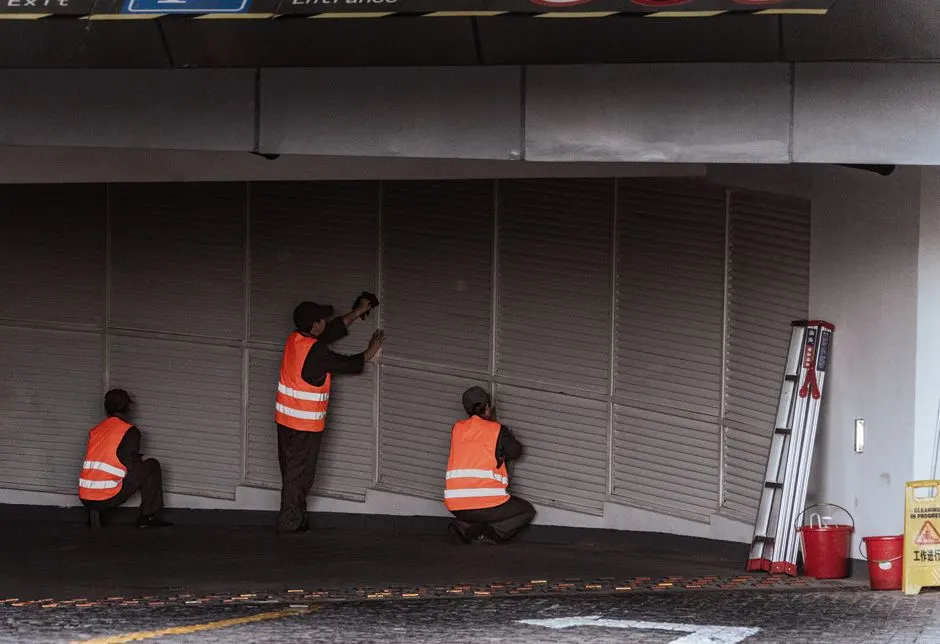
Three workers in safety vests install security shutters at an indoor entrance.
Licensed Licensed & Bonded
Fully Insured Insured & Bonded
24/7 Emergency Same-Day Response
Warranty Backed Workmanship Guaranteed in Colorado Springs

What Commercial Inspection Includes

Commercial Mold Inspection Colorado Springs CO includes a visual review of the reported area, accessible adjacent materials, moisture measurements, and a written record of observations and recommendations. We discuss targeted sampling when it answers a defined question. Laboratory analysis, opening concealed assemblies, remediation, and repairs are separate work; we identify when those steps are relevant so you can plan them in sequence.

Site and Complaint Review

We discuss your water history, reported odors or staining, affected rooms, and previous repairs. The inspection route then focuses on relevant spaces and nearby pathways instead of collecting unrelated observations from the entire facility.

Visual Condition Mapping

We record visible growth, discoloration, damaged finishes, and accessible building conditions by location. This map helps your facilities contact connect findings to a specific ceiling, wall, floor, or mechanical area.

Moisture and Humidity Checks

Readings from suspect materials and nearby reference points help show whether dampness is localized or more widespread. We also note relative humidity where it informs the complaint and explain that readings change with conditions and material type.

Targeted Sample Options

When evidence supports sampling, we select a suitable air or surface collection method and document where it was taken. Laboratory analysis can help answer a specific question, but sampling is not automatically required for every inspection.

Findings and Next Actions

You receive observations, relevant measurements, sample information when applicable, and prioritized recommendations. The record can help coordinate leak repair, further investigation, remediation planning, or a post-work check.

Commercial Mold Inspection Colorado Springs CO


Commercial Mold Inspection Colorado Springs CO is a building assessment that identifies visible or suspected fungal growth, moisture sources, and conditions that support mold in a business property. We review the affected rooms, adjoining areas, and building systems; check material moisture; and recommend targeted sampling when it can answer a specific question. A moisture meter helps compare damp and dry surfaces, while a thermal imaging camera can point to temperature patterns that deserve closer inspection. Findings are documented so owners can decide whether to correct a leak, investigate a cavity, or arrange remediation.

Colorado Springs buildings face sharp temperature swings, dry air interrupted by snow and rain, and freeze-thaw stress around roofs, pipes, and exterior walls. A small plumbing leak or condensation at a cold surface can remain concealed behind finishes until odors or staining appear. Our commercial mold assessment Colorado Springs service considers use of the space, occupant concerns, and the water history, including attics, basements, crawl spaces, and HVAC areas. If a tenant reports a musty smell, we can investigate with a commercial property mold assessment Colorado Springs CO and map the next steps.

What to Expect During Inspection

Commercial Mold Inspection Colorado Springs CO follows a practical sequence: understand the complaint, inspect the building, measure moisture, collect justified samples, and explain the findings. We coordinate access with your representative and keep the work focused on the spaces and systems relevant to the concern. You know what we are checking at each stage.

01

Schedule

Call or book online — a real human picks up and confirms a 2-hour arrival window.

02

Diagnose

Licensed tech inspects on-site, then walks you through the cause and your options.

03

Fix

The job is completed to code and done right the first time — no shortcuts, no surprises.

04

Guarantee

Every job backed by a written workmanship warranty — and we stand behind it.

Inspection Tools and Methods

Tools & Equipment

Tramex Moisture Meter

We use a moisture meter to compare suspect materials with nearby reference areas. The readings help direct attention to damp surfaces, but material type and measurement mode matter when interpreting results.

FLIR Thermal Imaging Camera

A FLIR thermal imaging camera displays surface temperature patterns that can point to areas needing closer examination. We confirm notable patterns with direct checks because thermal images do not identify mold or prove moisture by themselves.

Hygrometer

A hygrometer measures relative humidity and temperature at the inspection site. These readings help describe indoor conditions and provide context for condensation concerns or occupant reports.

HEPA Air Sampling Pump

When air sampling is justified, a HEPA air sampling pump draws a measured volume through a spore trap cassette. We document sample location and conditions so laboratory findings can be compared with the inspection.

Borescope

A borescope can view an accessible concealed cavity through an existing opening. It helps investigate hidden concerns without assuming that every stained or musty area requires a large exploratory opening.

Methods & Standards

ASTM D7338 Building Assessment Guidance

We use the principles of ASTM D7338 Standard Guide for Assessment of Fungal Growth in Buildings to organize observations around visible conditions, moisture, building use, and potential sources. The guide informs the assessment process; site findings still determine what investigation is appropriate.

ASTM D7391 Air Sample Categorization

When airborne sampling is selected, ASTM D7391 provides a method for categorizing and quantifying airborne fungal structures. We pair the analytical result with sample location, indoor conditions, and field observations. A laboratory number is not interpreted in isolation or as a complete measure of building health.

Moisture Mapping and Comparison

We take readings at suspect materials and compare them with similar, unaffected surfaces where possible. This method helps distinguish localized dampness from background variation and directs follow-up checks. Results are documented with the location and material context rather than presented as a universal pass-or-fail threshold.

When Businesses Need Inspection

01

A Colorado Springs office reports musty air after snowmelt, even though the ceiling stain has faded.

What we do: We inspect the ceiling, roof-adjacent areas, and nearby wall surfaces, then compare moisture readings across affected and reference locations. If the odor has no visible source, we follow likely water pathways and discuss targeted air sampling only when it can clarify the complaint.

→ You get a documented view of current moisture evidence and a prioritized plan for roof checks, drying, or further investigation.

02

A property manager finds repeated staining near a restroom supply line in a multi-tenant building.

What we do: We check the fixture, cabinet or wall materials, adjacent suite surfaces, and accessible plumbing area. The inspection records the extent of dampness and visible damage so the maintenance team can correct the leak and avoid replacing finishes before the source is controlled.

→ Your repair team receives location-specific findings and can verify drying before closing the wall or reinstalling materials.

03

A tenant and owner need independent documentation of a suspected issue before lease discussions.

What we do: We inspect accessible areas tied to the concern, record visible conditions and moisture readings, and identify limits where construction is concealed. If useful, we can arrange targeted sampling and clearly separate measured results from general observations.

→ Both parties have a consistent record of the inspected locations and practical recommendations for follow-up.

Commercial Inspection Across Colorado Springs

Commercial Mold Inspection Colorado Springs CO accounts for the area's elevation, dry indoor heating conditions, winter freeze-thaw cycles, and periods of snowmelt or heavy rain. Those shifts can stress roof details, exterior joints, and plumbing lines; indoor condensation can also develop where warm, humid air meets a cold surface. Older commercial spaces and renovated suites may have concealed cavities or layered finishes that make a musty odor hard to trace. We inspect accessible areas first, compare moisture readings, and identify where more access is justified. Our Colorado Springs commercial mold inspector considers how the building is used, including occupied offices, retail floors, storage rooms, and shared mechanical spaces. For a commercial mold inspection near me in Colorado Springs CO, we plan around the reported location and property access, then document findings that your facilities contact can act on. We serve El Paso County and nearby commercial districts, including Downtown Colorado Springs, Old Colorado City, Broadmoor, and Briargate.

Neighborhoods We Serve

  • Downtown Colorado Springs

    Mixed-use properties and older commercial interiors can have layered renovations, shared walls, and busy tenant schedules. We coordinate access to the reported suite and nearby common areas.

  • Old Colorado City

    Older storefronts may have historic finishes and concealed building layers. We record visible and moisture findings carefully before recommending any further access.

  • Broadmoor

    Commercial facilities with multiple wings or varied roof sections benefit from location-specific notes. We map the affected space and nearby water pathways for easier facilities follow-up.

  • Briargate

    Office and retail properties can experience localized plumbing leaks or condensation around mechanical areas. We include accessible adjacent rooms when tracing the reported condition.

Local Conditions We Plan For

  • Rapid winter temperature changes stress roof edges and plumbing routes

    Freeze-thaw movement and intermittent leaks can leave water behind ceilings or wall finishes. We compare current moisture readings with nearby materials and note evidence that supports a follow-up after the source is repaired.

  • Dry heated interiors meet cold windows, walls, or service lines

    Condensation can create recurring surface dampness even when there is no obvious plumbing leak. We assess humidity and surface conditions together to help distinguish condensation patterns from water intrusion.

  • Snowmelt and seasonal rain expose weak roof transitions

    Water may travel away from its entry point before staining appears, making the visible mark an unreliable indicator of the source. We inspect surrounding ceiling areas and document likely pathways for repair coordination.

Office Ceiling Leak Traced

Before

A two-room office suite had a brown ceiling mark and a persistent odor after a roof leak. The visible stain measured about 3 feet across, but the property manager did not know whether the wall cavity or adjoining office was affected. Cleaning the surface had not stopped the smell.

After

Inspection identified elevated moisture at one ceiling edge and normal comparative readings in the adjoining office. The report mapped the affected area and recommended roof repair, drying, and a focused follow-up. After repairs, readings at the checked points returned to the dry comparison range and the odor complaint stopped.

Maintenance: Have the roof transition checked after major snowmelt or storms, and inspect the ceiling if staining returns. Keep the repair record with the building file so future occupants can distinguish a resolved leak from a new one.

Before

A tenant reported recurring spots behind a restroom cabinet, while maintenance had repainted the wall twice. The area looked dry during a quick walk-through, but the supply connection had a slow leak and the cabinet base felt soft.

After

Moisture mapping found a concentrated damp area beside the supply line, with lower readings on the opposite wall. The leak was repaired and affected material was addressed before repainting. A follow-up check at three points confirmed the repaired area had dried relative to the original inspection readings.

Maintenance: Check supply connections and cabinet bases during routine facility rounds. If a spot returns, record its location and notify maintenance before applying fresh paint, which can hide the pattern without correcting the source.

Before

A small commercial suite remained closed after cleanup because the owner had no clear record of remaining moisture or the condition of the work area. The previous water source had been repaired, but the team wanted a documented check before returning furniture.

After

The inspection reviewed the agreed work area, checked accessible materials, and recorded three comparison locations. The area had no visible growth and moisture readings were consistent with dry reference materials. Targeted laboratory results were also reviewed, giving the owner location-specific information for reopening decisions.

Maintenance: Keep the water-repair documentation and post-work findings together. Recheck the area if new staining, odor, or elevated moisture appears, especially after a plumbing event or roof leak.

Resolve Commercial Mold Inspection Concerns

A recurring odor, stain, or moisture reading can create uncertainty for owners and occupants. We investigate the building conditions behind the complaint and connect findings to practical actions. If you need a commercial building mold evaluation Colorado Springs CO, we focus on the affected space and the evidence that can change your next decision.

Problem

Persistent musty odor with no visible source in occupied offices

Odors can trigger complaints, interrupt work, and lead to repeated cleaning without addressing a hidden moisture source or affected material.

Our Fix

We trace the reported odor through adjacent rooms, accessible wall and ceiling areas, and relevant HVAC components. Moisture readings and a thermal imaging camera can help identify areas for closer inspection. If evidence supports it, we recommend targeted sampling or a focused hidden-material investigation, then explain which repair should come first.

Problem

Roof or plumbing leak leaves damp ceilings and wall finishes

Leaving wet materials in place can extend damage, raise repair costs, and allow visible growth to return after surface cleaning.

Our Fix

We document the affected materials, compare moisture readings, and look for the direction of water travel. Our findings help your roofer or plumber address the source before damaged finishes are replaced. We also identify adjacent areas that merit a follow-up check after drying.

Problem

Post-remediation questions delay reopening a business area

Without a documented check, owners may reopen too soon or keep a usable space closed longer than necessary.

Our Fix

We review the agreed work area for visible conditions and moisture evidence, then use sampling when project criteria and site conditions support it. Results are tied to specific locations and explained in context, helping you decide whether further cleaning, drying, or repair is needed before normal use.

Clear Findings, Practical Decisions

Clear Findings, Practical Decisions

A thorough inspection gives you usable information, not just a list of suspicious spots. We connect moisture evidence to building conditions, distinguish observations from laboratory results, and explain which action should come first. That helps you protect occupied areas, coordinate repairs, and avoid opening walls without a reason.

  • Locate Moisture Sources

    We look for active water intrusion, elevated indoor humidity, plumbing leaks, roof issues, and condensation instead of treating a stain as the whole problem. Readings at multiple points help compare affected materials with dry reference areas. You get a clearer basis for deciding whether to repair a source, monitor a surface, or investigate concealed materials.

  • Target Sampling Precisely

    Sampling is most useful when it answers a defined question, such as whether airborne fungal structures differ between a complaint area and a comparison location. We select air or surface sampling based on site conditions and document locations. A spore trap cassette or tape-lift sampling kit is used only when the inspection findings support that approach.

  • Reduce Business Disruption

    We plan the inspection around the building's occupied areas, access restrictions, and operating hours. Many visual and moisture checks take place without moving tenants or shutting down the whole facility. If you need an office mold inspection Colorado Springs, we can focus on the reported rooms and nearby pathways before broadening the investigation.

  • Support Repair Decisions

    Your report organizes observed conditions, moisture readings, sample locations when collected, and recommendations in a sequence you can act on. This helps you brief a facilities contractor, compare remediation proposals, or document a concern for property stakeholders. It also gives you a reference point for follow-up checks after the water source is corrected.

Standards and Credentials

Licensed & Certified

  • IICRC Applied Microbial Remediation Technician — issued by Institute of Inspection, Cleaning and Restoration Certification
  • IICRC Water Damage Restoration Technician — issued by Institute of Inspection, Cleaning and Restoration Certification
  • ACAC Council-certified Indoor Environmentalist — issued by American Council for Accredited Certification
  • EPA Mold Course Certificate — issued by U.S. Environmental Protection Agency

Verified Reviews

Google ★★★★★4.9

Our Colorado Springs office had a leak-related odor that kept returning. The inspection connected the damp ceiling area to the likely water pathway and gave our maintenance team specific locations to check. The explanation was direct, and we knew which repair needed attention first.

Google ★★★★★4.8

We needed a clear record after cleanup in a small commercial suite. The technician checked the work area, compared moisture readings, and explained the sample findings without overstating them. That documentation helped us make a practical decision about returning the room to use.

Yelp ★★★★★5.0

The team inspected a recurring restroom wall stain in our Colorado Springs property. They found the damp area near the supply line, documented the surrounding surfaces, and gave us a sensible sequence for repair and follow-up. It was useful information for both management and the tenant.

Commercial Building Expertise

Our local experience covers occupied offices, retail spaces, multi-tenant properties, and other commercial interiors where access and clear documentation matter. We focus on the relationship between water, building materials, ventilation, and observed growth rather than relying on a single reading or sample. Our technicians apply established inspection practices and explain limits plainly. When sampling is appropriate, we use a qualified laboratory and tie results to documented collection locations, so you can use the findings in repair and property-management decisions.

  • Inspection approach informed by ASTM D7338 guidance for assessing fungal growth in buildings.
  • Airborne fungal categorization can follow ASTM D7391 methodology when air sampling is selected.
  • Moisture mapping compares suspect materials with unaffected reference areas, not isolated readings.
  • Technicians assess water pathways, building use, ventilation patterns, and the extent of accessible damage.
  • Laboratory results are interpreted alongside field observations; a sample alone is not a complete building diagnosis.
Get Started Today
Commercial Building Expertise

Commercial Mold Inspection FAQs

Real answers to the questions we hear most often from local homeowners and property managers.

How much does commercial mold inspection cost in Colorado Springs?
A focused commercial inspection often costs $300 to $900, while larger or multi-area properties can range from $900 to $2,500 or more. Typical 2026 pricing in Colorado Springs depends on square footage, access, moisture mapping, and whether laboratory samples are needed. We explain the price before work begins. Sampling and laboratory analysis can add cost because each collection and analysis is a separate task.
What does a commercial mold assessment cover?
A commercial mold assessment covers reported areas, visible conditions, moisture sources, accessible building materials, and relevant ventilation or HVAC concerns. We document moisture readings and recommend targeted air or surface sampling when it answers a specific question. The assessment identifies observed risks and next steps; it does not automatically include opening walls, remediation, or laboratory testing unless those tasks are selected for the property.
Can a mold inspector assess an office building in Colorado Springs CO?
Yes, we inspect office suites, shared areas, and accessible building systems in Colorado Springs, with the route coordinated around occupancy. A mold inspector for an office building in Colorado Springs reviews reported rooms, nearby materials, humidity, and potential water pathways. Most focused visits take two to four hours, depending on access, the number of affected areas, and whether sampling is needed.
Does commercial mold testing require business operations to stop?
Usually, no; visual inspection and moisture checks can often proceed while unaffected business areas remain open. Sampling or access to a restricted mechanical space may require short, localized coordination, typically 15 to 30 minutes for setup or room access. We work with your site contact to limit interruptions and identify any area that should be temporarily kept clear.

Related Property Services

Mold Inspection

A general mold inspection looks at visible growth, moisture conditions, and likely sources across the property. For Colorado Springs businesses, it can complement a focused commercial visit when complaints extend beyond one suite or a building manager needs a broader view of affected areas.

View Mold Inspection

Residential Mold Inspection

Residential inspection addresses mold and moisture concerns in homes, including properties connected to a commercial landlord or mixed-use building. We assess living areas and accessible materials, helping owners distinguish a residential concern from a separate business-space issue.

View Residential Mold Inspection

Mold Testing and Sampling

Sampling adds laboratory evidence when visual findings and moisture readings leave a specific question unanswered. We select air or surface collection based on the concern, label each location, and explain how results relate to a commercial inspection rather than treating a sample as a complete diagnosis.

View Mold Testing and Sampling

Air Quality Testing for Mold

Air testing can compare airborne fungal structures in a complaint area with a suitable reference location. For a commercial property, we document sampling conditions and room use so results have context. Air samples support, but do not replace, inspection of moisture sources and building materials.

View Air Quality Testing for Mold

Surface Mold Sampling

Surface sampling can help characterize visible material on a building component when identification would guide next steps. We use a swab or tape-lift method suited to the surface and record the exact location. It is useful for targeted questions, not for measuring every possible mold condition in a building.

View Surface Mold Sampling

Indoor Air Quality Assessment

An indoor air quality assessment considers humidity, ventilation, occupant concerns, and other relevant conditions alongside mold indicators. Commercial owners can use it when complaints involve several rooms or persist after a water source has been repaired.

View Indoor Air Quality Assessment

Schedule Commercial Mold Inspection Colorado Springs CO

Get clear answers about moisture, visible growth, and the next practical step for your property. Call Colorado Springs Mold Testing at +18668968166 to discuss the affected area and arrange an inspection. We provide upfront pricing before work begins.

Call Now Schedule Inspection

Contact Our Inspection Team

Call Colorado Springs Mold Testing at +1 866-896-8166 to talk through a leak, musty odor, visible growth, or post-remediation question. Our office hours are Monday through Friday, 8:00 a.m. to 6:00 p.m.; leave a message outside those hours and we will respond during the next business period. We serve Colorado Springs, CO, including ZIP codes 80909, 80904, and 80906.

Or call us right now at +18668968166 — we answer.

Colorado Springs Mold Testing


  • Phone

    +18668968166
  • Address

    Colorado Springs

  • Hours

    Mon–Fri: 7AM – 7PM
    Sat: 8AM – 4PM
    Sun: Emergency Only
    24/7 Emergency Available

Call +18668968166 Get Quote
Call Quote