Logo
Get Estimate

Air Quality Testing for Mold Colorado Springs CO

Clear air results for homes and workplaces


Air Quality Testing for Mold Colorado Springs CO helps you understand whether airborne spores are elevated and where moisture may be feeding growth. We inspect homes and businesses after leaks, persistent musty odors, visible mold, or remediation when you need evidence to guide the next step. Our mold air testing Colorado Springs service pairs careful sampling with a building assessment, so results are interpreted alongside the conditions that matter.

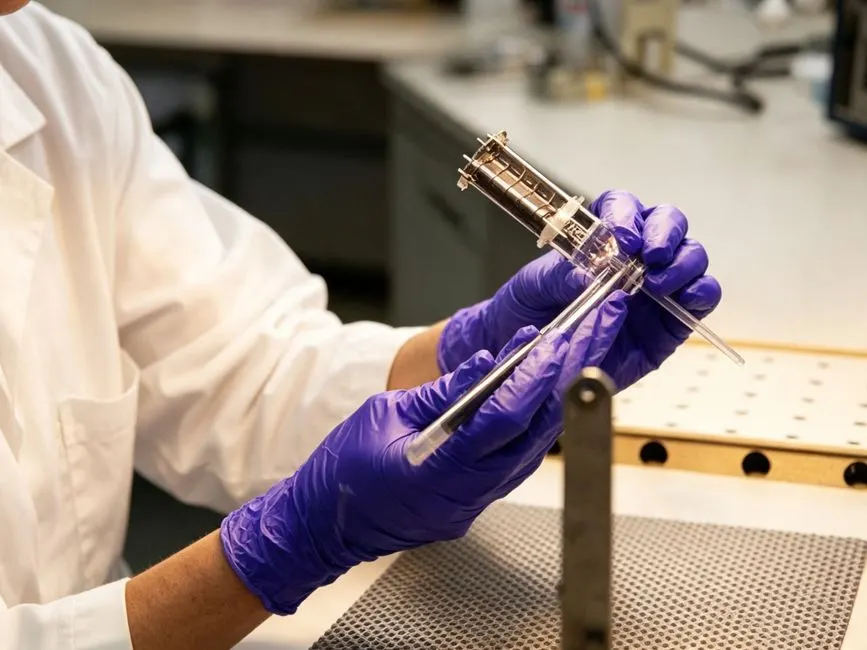
Close-up of a scientist in gloves testing a vacuum tube in a laboratory environment.
Licensed Licensed & Bonded
Fully Insured Insured & Bonded
24/7 Emergency Same-Day Response
Warranty Backed Workmanship Guaranteed in Colorado Springs

What Air Testing Covers

Air testing includes a focused discussion, visual review of the concern area, relevant humidity and moisture observations, planned air sample collection, laboratory analysis, and a report review. The number and placement of samples depend on the building and question. Surface sampling, invasive wall openings, remediation, repairs, and broad indoor-air investigations are separate services when the evidence or your goals call for them.

Concern-Based Inspection

We review affected rooms, visible conditions, odor locations, leak history, and accessible moisture clues before choosing sample locations. This keeps the assessment tied to your concern instead of collecting air samples without a clear purpose.

Documented Air Collection

We operate a calibrated sampling pump with labeled spore trap media and record each sample location and collection detail. An outdoor reference is included when conditions support a useful comparison with indoor rooms.

Laboratory Findings

Collected samples go to a laboratory for analysis of airborne fungal structures. We explain the reported observations and limitations, including why a result reflects the sampled location and time rather than every room or concealed cavity.

Plain-Language Review

We discuss what the report suggests alongside the inspection observations and moisture readings. You receive practical next steps, such as repairing a leak, investigating a specific cavity, or arranging verification after remediation.

Air Quality Testing for Mold Colorado Springs CO


Air Quality Testing for Mold Colorado Springs CO is an indoor environmental assessment that measures airborne fungal particles and examines building conditions when mold exposure or hidden growth is suspected. We plan sample locations around the concern, collect controlled air samples with a calibrated pump and spore trap cassettes, and document the room conditions. A comparison sample from outdoors helps put indoor findings in context. Testing is not a visual inspection alone: we connect lab results with moisture readings, odors, visible growth, and likely sources before explaining what the findings do and do not show.

Colorado Springs homes face dry periods, sharp temperature swings, snowmelt, wind-driven rain, and occasional plumbing or roof leaks; each can leave damp materials behind closed walls or in an attic. We check those conditions rather than treating a spore count as a diagnosis. If you need to test indoor air for mold in a Colorado Springs home after a leak, we look at the affected room, adjacent spaces, HVAC operation, and humidity before selecting samples. That context helps distinguish a local moisture problem from particles entering through ordinary outdoor air.

What Happens During Testing

Air quality assessment for mold Colorado Springs starts with your concern and ends with documented findings you can use. We agree on the rooms to assess, inspect likely moisture sources, and select a sampling plan suited to the question. A typical site visit takes about 1.5 to 3 hours for a standard home; larger or multi-zone properties take longer.

01

Schedule

Call or book online — a real human picks up and confirms a 2-hour arrival window.

02

Diagnose

Licensed tech inspects on-site, then walks you through the cause and your options.

03

Fix

The job is completed to code and done right the first time — no shortcuts, no surprises.

04

Guarantee

Every job backed by a written workmanship warranty — and we stand behind it.

Tools and Testing Methods

Tools & Equipment

HEPA air sampling pump

We use a calibrated pump to draw a measured volume of room air through a spore trap cassette. Controlled collection and recorded locations help make samples suitable for laboratory comparison.

Spore trap cassette

The cassette captures airborne particles for microscopic analysis. We label each cassette by room and sample sequence, then interpret the laboratory observations alongside the building conditions recorded during collection.

Moisture meter

A moisture meter checks suspect building materials for elevated moisture readings. It helps us identify where a leak or condensation pattern deserves attention before deciding whether air sampling or further inspection is appropriate.

Hygrometer

A hygrometer records indoor relative humidity and temperature during the visit. Those readings give context to condensation risk and help explain why conditions in a basement, bathroom, or closed room may differ from the rest of the property.

FLIR thermal imaging camera

Thermal imaging shows surface temperature differences that can guide a closer moisture check. It does not identify mold by itself, so we verify suspicious patterns with direct observation or moisture readings.

Air-O-Cell cassette

This spore trap cassette is used with a compatible sampling pump to collect airborne particles for laboratory examination. We document the collection location and conditions so the result can be interpreted in context.

Methods & Standards

Indoor and outdoor comparison

We collect indoor samples from locations tied to the concern and use an outdoor reference when conditions permit. Comparing the reported fungal structures helps frame indoor findings, but outdoor levels, weather, open windows, and recent activity all affect interpretation.

ASTM D7391 framework

ASTM D7391 provides a standard method for categorizing and quantifying airborne fungal structures collected by spore trap sampling. We use this framework to support consistent laboratory reporting, then explain how the findings relate to your inspection observations rather than treating the standard as a health diagnosis.

Moisture-led sample planning

We use the leak history, odor pattern, humidity, and moisture observations to select useful sampling locations. A room with visible dampness may need a different plan from an odor reported only when the HVAC operates. This approach helps keep testing relevant to the actual building question.

Post-remediation verification

When testing follows cleanup, we inspect the defined work area and compare the observed condition and sample results with the project's stated verification criteria. The method records what was assessed and helps determine whether the area is ready for the next construction step or needs more attention.

When Air Testing Helps

01

A Colorado Springs home has a persistent odor after a winter plumbing leak behind a kitchen cabinet.

What we do: We inspect the cabinet, adjoining wall, and nearby rooms, check accessible moisture, and choose air sample locations around the reported odor. If readings suggest the wall remains damp, we explain the value of a targeted cavity investigation before you arrange repairs or cleanup.

→ You get documented room findings and a focused decision about moisture repair, further inspection, or whether the odor needs another explanation.

02

A Briargate homeowner notices mustiness in a bedroom when the heating system starts.

What we do: We assess the bedroom and accessible HVAC conditions, compare the concern room with another area, and collect samples if air testing fits the question. Humidity and moisture observations help distinguish a room source from a possible duct or condensation concern.

→ The report ties the sampled locations to the HVAC conditions observed, giving you a practical next step rather than an unsupported assumption about the ducts.

03

A property manager needs verification after mold cleanup in a Downtown Colorado Springs office.

What we do: We review the agreed work area and criteria, inspect visible surfaces, document the condition, and collect air samples where required. We record sample locations and explain findings to the property representative so the contractor can coordinate the next phase.

→ You receive a traceable report to support the decision about reopening, additional cleaning, or further investigation of the affected suite.

04

A Broadmoor buyer wants air testing after a seller discloses an old roof leak.

What we do: We inspect the reported area and connected rooms, look for staining or residual moisture, and determine whether targeted air sampling adds useful evidence. We explain the limits of testing and identify any areas that warrant additional inspection before the transaction decision.

→ You gain documented observations and a clearer list of questions for the seller or repair contractor before moving forward.

Air Testing Across Colorado Springs

Colorado Springs sits at elevation in a dry, changeable climate, but dry outdoor air does not prevent indoor moisture problems. Winter freezes can stress plumbing; spring snowmelt and wind-driven storms can expose roof or foundation weaknesses; summer monsoon rain can reveal drainage and flashing failures. Older homes near Old Colorado City and the Westside may have layered repairs and mixed materials, while newer buildings still develop leaks at plumbing connections, windows, and HVAC equipment. We adapt the inspection to the property's age and layout rather than assuming one building pattern fits all. Our Colorado Springs indoor air mold test approach uses the room history, ventilation, and moisture readings to choose samples. If an odor returns after a leak, we check the affected materials and adjacent spaces before interpreting air results. We also document outdoor conditions because wind, open windows, and recent weather can change what enters a sample. Testing supports investigation; it does not replace fixing water entry or evaluating a building code issue.

Neighborhoods We Serve

  • Old Colorado City

    Older homes may have additions, patched finishes, or several generations of plumbing. We trace odor and moisture clues across the affected room and adjoining spaces before choosing samples.

  • Broadmoor

    Large homes can have separate HVAC zones and distant rooms with different humidity. We document the concern area and compare only the locations needed to answer the owner's question.

  • Briargate

    A newer home can still develop moisture at roof penetrations, window assemblies, or supply lines. We focus sampling on the reported condition rather than relying on the home's age.

  • Ivywild

    Basements and lower-level rooms can hold musty odors after water intrusion. We record humidity and inspect accessible materials to distinguish a local dampness issue from a wider air concern.

Local Conditions We Plan For

  • Freeze-thaw cycles stress exposed plumbing and roof details.

    A small winter leak can wet insulation or drywall before a stain appears. We ask when the leak occurred, inspect accessible areas, and focus samples on rooms that share the affected wall or ceiling.

  • Rapid outdoor humidity shifts alter indoor condensation patterns.

    Bathrooms, basements, and poorly ventilated rooms may show surface dampness even when other areas feel dry. We record humidity and temperature during testing so the report reflects conditions on the visit.

  • Wind-driven rain and snowmelt reveal envelope leaks.

    Water can enter around roof edges, windows, or foundations and travel before becoming visible. We use staining, odor history, and moisture readings to guide the investigation and avoid assuming the nearest visible spot is the source.

After a Kitchen Supply Leak

Before

A homeowner had repaired a supply-line leak but still noticed a musty smell near the sink. The cabinet looked dry, and no visible mold appeared on the room side of the wall. With no moisture map or air comparison, the owner could not tell whether the odor came from residual dampness, a neighboring cavity, or an unrelated source.

After

We inspected the cabinet and adjoining room, recorded humidity, and collected 3 targeted air samples, including an outdoor comparison. The report linked the findings to the sampled rooms and identified a localized area for follow-up moisture investigation. The homeowner could direct the repair contractor to a defined location instead of opening several walls.

Maintenance: Keep the repaired cabinet area accessible for a short period, check it after heavy fixture use, and maintain the plumbing repair. If the odor returns or a new stain appears, document the location and arrange a moisture check before repainting.

Before

After a small office cleanup, the property manager had no documented basis for deciding whether to reinstall materials. Workers had removed affected finishes, but the manager still needed the work area checked and the air concern addressed. An odor alone could not show whether the defined area met the project's verification plan.

After

We inspected the work zone, recorded the visible condition, and collected 2 air samples under the agreed verification plan. The lab findings were reviewed with the room observations and sampling locations. The manager received a report to coordinate the next construction step and address any remaining concern before normal use.

Maintenance: Keep the repaired source dry, confirm that any leak or ventilation issue remains corrected, and avoid covering damp materials. If another water event occurs, respond promptly and reassess the affected work zone before rebuilding.

Before

An upstairs bedroom smelled musty after a storm, but the ceiling had no obvious stain. The homeowner suspected the attic, while the roofer found no active drip during a brief visit. Without room comparisons and moisture observations, the source and next inspection area remained uncertain.

After

We checked the bedroom and accessible attic conditions, recorded humidity, and collected 3 samples from selected locations. The findings were explained alongside observed roof and ventilation clues, identifying a focused area for the roofer to review. The homeowner received a documented starting point instead of relying on the odor alone.

Maintenance: After roof work, check the attic after the next significant rain or snowmelt and keep stored items clear of suspect areas. Address ventilation or drainage concerns promptly, and arrange follow-up testing only if the odor or moisture evidence persists.

Solve Mold Air Concerns at Home

Musty odors, water damage, and unexplained air concerns deserve a measured investigation. If you need an airborne mold sample testing Colorado Springs CO assessment, we first identify the question the sample should answer. Then we connect the result to building conditions so you can act on a likely source instead of treating a number in isolation.

Problem

A musty odor persists after a leak appears repaired.

Damp materials can remain behind trim or drywall, allowing odor and fungal particles to persist even after the visible water is gone.

Our Fix

We inspect the leak area and adjacent rooms, check accessible materials for moisture, and collect targeted air samples when they will help clarify the concern. If the pattern points to concealed dampness, we explain where a focused investigation should continue and what needs repair before any cleanup can hold.

Problem

You see no growth, but the room smells earthy.

A lack of visible spots does not rule out a hidden moisture source; ignoring it can leave a leak or damp cavity unresolved.

Our Fix

We compare the room with nearby spaces, record humidity, and look for staining, condensation, or airflow patterns that explain the odor. Air results provide another piece of evidence. We tell you whether the findings support further inspection or whether another odor source deserves attention.

Problem

Post-cleanup air concerns leave you unsure whether to rebuild.

Rebuilding before the moisture source and work area are checked can conceal unfinished cleanup and make later repairs more disruptive.

Our Fix

We inspect the remediated area, document visible conditions, and collect verification samples where the project criteria call for them. Our review explains how the findings compare with the defined objective, helping you coordinate the next stage with your remediation or construction contractor.

Problem

A basement or HVAC odor comes and goes with weather.

Seasonal humidity, condensation, and air movement can shift odors between rooms, making a single observation difficult to interpret.

Our Fix

We note the conditions during the visit, inspect accessible damp areas and HVAC pathways, and place samples to answer a specific room or zone question. The report identifies the conditions recorded that day and recommends moisture or ventilation follow-up when supported by evidence.

Useful Answers, Not Guesswork

Useful Answers, Not Guesswork

A well-planned sample gives you a practical basis for deciding what to inspect, clean, repair, or verify. We explain the result in plain language and relate it to the rooms, materials, and moisture conditions we observed. You leave with documented findings and a focused next step, not a number without context.

  • Locate the Likely Source

    Air results point to patterns, while moisture mapping helps narrow the source. We use a moisture meter and visual checks around plumbing, exterior walls, and ceilings to compare rooms. If a sample differs from the outdoor reference, we explain which areas deserve closer inspection rather than recommending demolition based on a single number.

  • Clarify Hidden Concerns

    A musty odor with no visible growth can leave you unsure whether to open a wall. Our assessment combines room-by-room observations with targeted sampling and, where appropriate, thermal imaging. The resulting record helps identify whether hidden mold behind drywall is a reasonable concern and what non-destructive checks should come next.

  • Verify Work After Cleanup

    After remediation, you need more than a fresh coat of paint to know whether the work area is ready for normal use. We document the test area, visible condition, and air samples, then compare findings with the agreed verification criteria. This creates a clear record for owners, occupants, and property managers.

  • Make a Better Repair Plan

    Results are useful when they lead to action. We identify moisture conditions that require repair, such as a plumbing leak, condensation, or elevated indoor humidity, and separate those from sampling observations. A targeted plan can help you avoid treating unaffected rooms and focus spending on the source and impacted materials.

Air Testing Price Guide

Mold air testing Colorado Springs pricing depends on the number of samples, property size, access, and laboratory analysis. For typical 2026 residential work, a focused visit commonly falls between $250 and $600; broader investigations or complex commercial layouts can range from $600 to $850 or more. We explain the price upfront before sampling. A clear question and a targeted plan help control cost, while testing every room without a reason rarely improves the decision. Laboratory turnaround is commonly 1 to 3 business days after samples reach the lab.

Typical Investment Range

$250 - $850+ depending on sample count, property size, and investigation needs

Testing is most valuable when it answers a defined question and links findings to moisture conditions. A targeted sample plan can help you avoid unnecessary room-by-room testing and direct repairs toward the area supported by evidence.

What changes the price

01

Number of samples

Each additional indoor location or outdoor comparison adds collection and laboratory costs. A small home with one defined concern may need 2 to 4 samples; larger homes and multi-zone buildings need a plan based on room layout and the question being investigated.

02

Property size and layout

More rooms, separate HVAC zones, inaccessible areas, and multiple floors increase inspection time and may require additional samples. A straightforward apartment visit differs from a large home with an attic, basement, and several reported odor locations.

03

Laboratory analysis

Analysis costs vary with the number and type of samples and the requested reporting. We select laboratory work that fits the stated concern, then explain what the result can establish and what requires a separate inspection or sampling method.

04

Moisture investigation needs

A visit involving multiple suspected leaks, concealed cavities, or extensive moisture mapping takes longer than a focused air-sampling appointment. Thermal observations or additional moisture checks may add time when they help identify a source.

05

Follow-up or verification

A second visit after repairs or remediation adds inspection and sampling costs but can document conditions after the source is addressed. Planning the verification criteria before cleanup helps keep the follow-up focused and avoids repeating unnecessary tests.

Standards and Credentials

Licensed & Certified

  • IICRC Applied Microbial Remediation Technician — issued by Institute of Inspection, Cleaning and Restoration Certification
  • IICRC Water Damage Restoration Technician — issued by Institute of Inspection, Cleaning and Restoration Certification
  • ACAC Council-certified Indoor Environmentalist — issued by American Council for Accredited Certification
  • EPA Mold Course Certificate — issued by U.S. Environmental Protection Agency

Verified Reviews

Customer feedback Not stated

A Colorado Springs homeowner described a careful visit after a leak, with sample locations recorded and moisture clues explained before the report was reviewed. The useful part was connecting the lab findings to the affected room and identifying a practical next inspection step.

Customer feedback Not stated

A local property representative needed post-cleanup documentation for an office suite. The review noted that the testing process and report were explained clearly, including which areas were sampled and how the findings related to the work zone.

Customer feedback Not stated

A Broadmoor resident reported an attic odor and wanted evidence before scheduling roof work. The assessment combined air sampling with humidity and moisture observations, giving the homeowner a focused set of questions for the contractor.

Field Knowledge and Method

Airborne readings only make sense when the building has been assessed carefully. Our local experience includes leak-related complaints, musty lower levels, attic concerns, HVAC questions, and post-remediation checks across Colorado Springs. We use documented sampling procedures and explain what each instrument measures. Where project needs call for formal assessment guidance, our approach aligns with recognized industry references, including ASTM D7391 for categorizing and quantifying airborne fungal structures. We do not treat a credential or instrument as a substitute for sound judgment.

  • We document sampling locations, operating conditions, and observations so you can connect laboratory findings to the rooms tested.
  • Our technicians use moisture readings and humidity measurements to investigate conditions that may support fungal growth.
  • We apply ASTM D7391 concepts when interpreting airborne fungal structures, while explaining that results require building context.
  • When a project calls for specialist interpretation, we identify relevant ACAC Council-certified Indoor Environmentalist or Microbial Consultant credentials.
  • We distinguish air sampling from surface sampling, since each answers a different question about your property.
Get Started Today
Field Knowledge and Method

Frequently Asked Questions

Real answers to the questions we hear most often from local homeowners and property managers.

How does air quality testing for mold work?
Air testing collects measured air volumes on spore trap media, then a laboratory examines the sample for fungal structures. We inspect the concern area, record humidity and moisture clues, select indoor locations, and often collect an outdoor comparison. Most pump runs last about 5 minutes per location; interpretation takes the building conditions and sample pattern into account. The result identifies what was airborne in the sampled place and time, not every hidden source in the property.
How much is a mold air test in Colorado Springs CO?
A basic residential visit with a small sample plan commonly costs $250 to $600 in 2026, while larger or complex investigations can reach $850 or more. Price changes with the number of samples, property size, access, laboratory analysis, and whether moisture mapping or a follow-up visit is needed. We explain the price before work begins. A focused plan often costs less than testing every room without a specific question.
Can an indoor air test detect hidden mold?
An indoor air sample can show airborne fungal particles, but it cannot identify the exact hidden source by itself. We compare sample results with odors, water history, moisture readings, and room layout to decide whether concealed growth needs further investigation. Air movement, recent cleaning, and closed doors affect what a sample captures. If evidence points behind a wall or into a cavity, we discuss targeted inspection rather than claiming an air result proves a specific location.
How long does mold air sampling take?
A standard Colorado Springs home visit often takes 1.5 to 3 hours, with each air sample commonly collected for about 5 minutes. The visit includes inspection, instrument readings, sample setup, and documentation; a larger property or multiple HVAC zones takes longer. Laboratory results commonly take 1 to 3 business days after submission. We review the findings with you once analysis is complete and explain any limits that affect interpretation.

Related Mold Services

Mold Inspection

A visual inspection helps identify visible growth, water staining, and likely moisture sources that air samples alone cannot locate. In Colorado Springs, we can pair room observations with targeted air sampling when odors or occupant concerns persist, giving you a clearer picture of both building conditions and airborne findings.

View Mold Inspection

Residential Mold Inspection

Home inspections focus on the rooms, materials, and leak history affecting your household. We assess bathrooms, basements, attics, and living areas, then recommend air sampling when it answers a specific question. This is useful after a plumbing leak or when a musty smell remains after cleaning.

View Residential Mold Inspection

Commercial Mold Inspection

For offices and other workplaces, inspection considers occupancy, room use, HVAC zones, and access requirements. We coordinate a practical assessment with property representatives and can collect samples in defined areas. The findings help owners plan repairs and communicate documented conditions to occupants.

View Commercial Mold Inspection

Mold Testing and Sampling

This service selects air or surface sampling based on the question being investigated. Air samples measure airborne particles at a specific time; surface samples help characterize growth on a material. We explain which method fits your concern and document the location and conditions for useful interpretation.

View Mold Testing and Sampling

Surface Mold Sampling

When growth is visible, a swab or tape-lift sample can help identify material present on that surface. It does not replace air sampling if your concern is airborne particles across a room. We use surface sampling selectively and connect the result to moisture conditions and the inspection findings.

View Surface Mold Sampling

Indoor Air Quality Assessment

A broader assessment looks beyond mold when odors or air concerns remain unexplained. We review humidity, ventilation, visible conditions, and the history of the space, then determine whether mold air samples are appropriate. This helps avoid attributing every indoor air complaint to one cause.

View Indoor Air Quality Assessment

Book Air Quality Testing for Mold

Get a focused inspection and clear sampling plan for your Colorado Springs property. Our team documents the conditions behind the concern and explains the findings in plain language. Call Colorado Springs Mold Testing to arrange your assessment.

Call Our Team Schedule Testing

Contact Our Inspection Team

Call Colorado Springs Mold Testing at +1 866-896-8166 to talk through a leak, musty odor, visible growth, or post-remediation question. Our office hours are Monday through Friday, 8:00 a.m. to 6:00 p.m.; leave a message outside those hours and we will respond during the next business period. We serve Colorado Springs, CO, including ZIP codes 80909, 80904, and 80906.

Or call us right now at +18668968166 — we answer.

Colorado Springs Mold Testing


  • Phone

    +18668968166
  • Address

    Colorado Springs

  • Hours

    Mon–Fri: 7AM – 7PM
    Sat: 8AM – 4PM
    Sun: Emergency Only
    24/7 Emergency Available

Call +18668968166 Get Quote
Call Quote