Logo
Get Estimate

Mold Inspection Colorado Springs CO for Clear Answers

Find moisture, identify concerns, and know what to do next


Mold Inspection Colorado Springs CO helps homeowners, property managers, and business owners pinpoint visible mold, hidden moisture, and conditions that support growth. Our Colorado Springs mold inspection checks the affected rooms and likely source areas, then gives you findings you can use to plan repairs or testing. Call when a leak, musty odor, damp surface, or post-remediation concern leaves you unsure what is happening behind the finish.

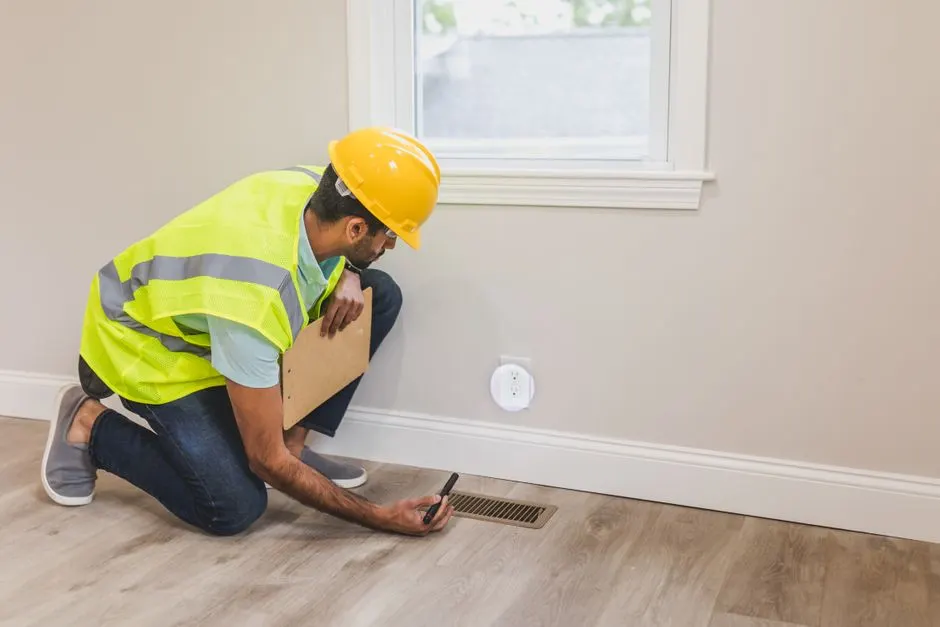
A construction worker in a hard hat inspects a floor vent indoors, ensuring quality and safety standards.
Licensed Licensed & Bonded
Fully Insured Insured & Bonded
24/7 Emergency Same-Day Response
Warranty Backed Workmanship Guaranteed in Colorado Springs

What Your Mold Inspection Includes

A standard inspection covers the reported concern, accessible adjacent areas, visual observations, and relevant moisture and humidity measurements. We explain any limits caused by sealed cavities or blocked access. Laboratory sampling, extensive destructive access, remediation, and repair work are separate services selected when the findings show they are useful; we discuss the purpose and cost before proceeding.

Visual Condition Review

We examine the affected surfaces and nearby building materials for visible growth, staining, peeling finishes, and evidence of prior wetting. We also check likely sources such as plumbing fixtures, windows, roof penetrations, and HVAC equipment when they relate to your concern.

Moisture Readings

We take targeted readings on suspect materials and compare them with appropriate nearby locations. This helps identify dampness that needs attention, while recognizing that readings vary by material and do not identify mold species or prove the full extent of concealed growth.

Humidity and Ventilation Review

We record room humidity where relevant and look for conditions that encourage condensation, including limited exhaust or poor air movement. You receive practical observations tied to the rooms inspected, rather than a generic recommendation to run a dehumidifier everywhere.

Findings and Next Steps

We summarize what we observed, which moisture conditions need correction, and whether further inspection or sampling would answer an unresolved question. You can use the findings to plan repairs, discuss a property transaction, or evaluate completed remediation.

Sampling When Appropriate

When a defined question calls for laboratory analysis, we explain the sample type, location, and purpose before collection. Air and surface samples are not automatically part of every inspection; their value depends on the concern and the decisions you need to make.

Mold Inspection Colorado Springs CO: What We Check


Mold Inspection Colorado Springs CO is a building assessment that identifies visible fungal growth, moisture conditions, and areas where further sampling may be useful. We inspect the reported problem and adjacent materials, trace likely water pathways, and document relevant observations. A moisture meter helps check building materials; a hygrometer records room humidity, while a thermal imaging camera can help locate temperature patterns that warrant closer examination. We explain what we found in plain language, distinguish observations from laboratory results, and outline practical next steps for your property.

Colorado Springs homes face dry air for much of the year, but roof or plumbing leaks, snowmelt, condensation, and poorly ventilated spaces still create damp pockets. A Colorado Springs mold inspection is useful after a water event, during a property purchase, or when musty odors persist without a visible source. We check attics, basements, crawl spaces, bathrooms, and HVAC areas as relevant. If you are searching for an independent mold inspection for a Colorado Springs property, we focus on evidence and moisture conditions rather than guessing from odor alone.

What Happens During Your Visit

Mold Inspection Colorado Springs CO follows a practical sequence: hear the concern, inspect the building, measure relevant conditions, and report what the evidence supports. Most residential visits take about 1.5 to 3 hours, depending on access and the number of affected areas. We keep you informed as we work so you can see what is being checked and why.

01

Schedule

Call or book online — a real human picks up and confirms a 2-hour arrival window.

02

Diagnose

Licensed tech inspects on-site, then walks you through the cause and your options.

03

Fix

The job is completed to code and done right the first time — no shortcuts, no surprises.

04

Guarantee

Every job backed by a written workmanship warranty — and we stand behind it.

Tools and Inspection Methods

Tools & Equipment

Tramex moisture meter

We use a moisture meter to compare suspect building materials with nearby reference areas. Readings guide the investigation; they are interpreted in context because material type and surface conditions affect results.

Protimeter pinless moisture meter

A pinless moisture meter scans a surface without leaving probe marks, helping us screen larger sections of drywall, flooring, or other suitable materials before taking more targeted readings.

FLIR thermal imaging camera

A FLIR thermal imaging camera displays temperature patterns that may direct attention to a concealed moisture concern. We confirm suspicious patterns with appropriate moisture checks because infrared images do not identify mold.

Extech hygrometer

An Extech hygrometer records relative humidity and temperature in selected rooms. These measurements help us evaluate condensation risk and interpret the building conditions present during the inspection.

Borescope

A borescope can help view a limited concealed space through an existing opening when access is suitable. We use it to answer a specific inspection question, not as a substitute for broader building assessment.

Methods & Standards

ASTM D7338 building assessment

We use the principles in ASTM D7338 Standard Guide for Assessment of Fungal Growth in Buildings to organize observations around moisture sources, affected materials, and building conditions. The standard supports a structured assessment; it does not replace site-specific judgment or laboratory analysis.

Comparative moisture mapping

We take readings at suspect locations and compare them with nearby materials that appear unaffected. This creates a basic moisture pattern, helping us identify areas that need closer examination. We record material and location context because a number without those details can be misleading.

Targeted air sampling

When airborne analysis answers a defined question, we collect a controlled air sample with a HEPA air sampling pump and spore trap cassette. The sample is submitted for laboratory review, and results are considered alongside outdoor comparison data, room activity, and visible inspection findings.

Surface sampling

For a specific suspect surface, a sterile swab or tape-lift sampling kit may collect material for laboratory identification. We document the exact sample location and purpose. A result describes the material collected, so it must not be treated as a complete survey of the building.

When to Arrange an Inspection

01

A Colorado Springs home develops a musty basement odor after snowmelt, but the walls look dry.

What we do: We check the basement perimeter, floor and wall junctions, stored-material areas, and relevant humidity. Targeted readings help distinguish a damp material from a room that simply needs better air movement. If the odor points to a concealed source, we explain the next inspection option rather than assuming mold is present.

→ You learn whether the concern appears tied to moisture, ventilation, or a hidden pathway and can plan the right repair or follow-up.

02

A plumbing leak under a Colorado Springs kitchen sink was repaired, but the cabinet still smells damp.

What we do: We inspect the cabinet base, adjoining wall, plumbing penetrations, and nearby flooring for remaining moisture or visible changes. We compare readings across affected and unaffected materials and discuss whether sampling would add useful information. You can coordinate drying or material repair based on documented conditions.

→ The lingering odor gets investigated at its likely source, with a clear distinction between residual dampness and evidence that needs additional testing.

03

A Briargate property manager finds staining near an HVAC register in an occupied office.

What we do: We inspect accessible surfaces around the register, consider condensation and HVAC operation, and check nearby materials for moisture. We document the affected location and discuss whether air or surface sampling is appropriate for the specific concern and occupancy needs.

→ You receive findings that support a focused maintenance response and help avoid treating the entire building based on one stained area.

04

A buyer notices dark marks on roof sheathing during a Colorado Springs home walkthrough.

What we do: We check the accessible attic area, roof penetrations, ventilation paths, and moisture conditions. The assessment considers whether staining appears active and whether further access or sampling would resolve uncertainty. We explain the findings in a format useful for transaction discussions.

→ You can separate visible evidence from assumptions and decide whether repair questions or further evaluation should be addressed before purchase.

How Mold Inspection Works in Colorado Springs

Colorado Springs has dry periods, sharp temperature swings, snow, and occasional heavy rain; buildings still develop moisture problems when water enters or indoor humidity is trapped. Winter condensation around cold surfaces, spring snowmelt near foundations, and summer storm leaks are common reasons to inspect. Older homes may have additions, finished basements, or layered repairs that complicate water pathways, while newer construction can still have plumbing leaks or ventilation issues. Our mold inspector in Colorado Springs, Colorado checks the conditions specific to your property instead of assuming every stain has the same cause. We serve El Paso County, including central neighborhoods, foothill homes, and commercial properties. If you need a commercial property mold inspector Colorado Springs CO, we consider occupancy and HVAC operation as part of the visit. We use observed conditions and instrument readings to guide recommendations; no infrared image or single sample is treated as proof by itself. For active water entry, stopping the leak is the priority, followed by drying and an inspection of affected materials.

Neighborhoods We Serve

  • Old Colorado City

    Older homes and remodels can have concealed plumbing routes and layered wall finishes. We compare suspect areas with accessible nearby materials before recommending further investigation.

  • Broadmoor

    Larger homes may include multiple rooflines, finished lower levels, and separate HVAC zones. We focus the inspection on the reported area and connected moisture pathways.

  • Briargate

    Basement finishes and bathroom or laundry plumbing can hide damp materials after a small leak. Targeted moisture readings help identify where closer review is warranted.

  • Downtown Colorado Springs

    Mixed building ages and commercial uses call for attention to room occupancy, ventilation, and previous repair work when we assess a reported odor or stain.

Local Conditions We Plan For

  • Winter condensation forms on cold windows and exterior wall surfaces

    Repeated condensation can dampen trim, drywall, or stored items, especially where airflow is restricted. We check the affected surface and surrounding materials, then identify whether moisture readings suggest a building leak or a humidity and ventilation issue.

  • Spring snowmelt or storm runoff reaches basement walls

    Water can enter at foundation transitions or window wells and leave dampness after the visible water disappears. We look for staining and moisture patterns, then help you identify which exterior drainage or interior repair question needs attention.

  • Roof or plumbing leaks wet attic, ceiling, or cabinet materials

    A repaired leak does not guarantee all affected materials are dry. We check the reported area and adjacent surfaces, document current readings, and explain whether further drying, material removal, or sampling is appropriate.

Basement Odor After Snowmelt

Before

A homeowner noticed a musty odor after snowmelt but could not see standing water or growth. The basement had finished wall sections, and stored boxes blocked part of the perimeter. Without measurements, it was unclear whether the odor came from damp materials, a drainage issue, or limited air movement.

After

The inspection found elevated moisture at two lower wall locations compared with dry reference areas and documented room humidity at 58%. The homeowner received a focused plan to check exterior drainage and dry the affected area before replacing finishes. The inspection narrowed the concern without claiming that every dark mark was mold.

Maintenance: Keep stored items several inches from exterior walls and check the basement after major snowmelt or storms. Address water entry promptly, and use a hygrometer to watch for sustained indoor humidity above 60%.

Before

A slow supply-line leak had been repaired, but the sink cabinet and adjacent floor still smelled damp. The visible cabinet base looked dry, leaving the owner unsure whether moisture remained under the flooring or behind the wall. Surface cleaning had not changed the odor.

After

Targeted readings identified moisture at the cabinet edge and a nearby floor seam, while comparison areas were lower. The owner could direct drying and repair to the affected section instead of removing the entire kitchen. Follow-up measurements after drying documented a clear reduction in the suspect area.

Maintenance: Check the cabinet base and supply connections after repairs, especially during the first week of use. Keep the area accessible until it is dry, and investigate any returning odor rather than covering it with fresh sealant.

Before

A buyer saw dark staining on attic sheathing and worried about hidden growth. The property had several roof penetrations and limited access near the eaves. A photograph alone could not show whether the marks were active, old, or associated with a current leak.

After

The inspection checked accessible sheathing, roof penetrations, and ventilation paths, then compared moisture readings across three locations. The sampled readings were not elevated at the time of inspection, while one flashing detail was flagged for repair review. The buyer had specific questions to raise before closing.

Maintenance: After roof work, check the attic following the next significant rain or snow event. Keep ventilation paths open and watch for fresh staining or damp sheathing; investigate new changes before insulation or finishes conceal them.

Problems a Colorado Springs Mold Inspection Can Clarify

A lingering odor or recurring stain often points to a moisture source that has not been corrected. We investigate the conditions behind the symptom and help you decide what to do next. If you are asking when to hire a mold assessment professional, start when a leak, persistent dampness, or unexplained odor continues after basic cleaning.

Problem

Musty odor persists after cleaning, with no visible source nearby

The odor may continue if damp materials or a concealed leak remain, and repeated surface cleaning will not address the source. Delayed investigation can also complicate repair planning.

Our Fix

We trace the odor through nearby rooms and building materials, check humidity and moisture, and look for plumbing, roof, or ventilation clues. If the source remains concealed, we explain whether targeted access or sampling is justified. You leave with a practical sequence for confirming the cause and correcting the conditions.

Problem

A roof or plumbing leak left staining and damp finishes

Wet drywall, insulation, or framing can stay damp after the visible drip stops. Closing the area too early may hide unresolved moisture and leave you uncertain about repair scope.

Our Fix

We inspect the stained area and its likely water pathway, measure relevant materials, and compare readings with unaffected surfaces. Our report distinguishes old staining from active dampness where the evidence allows. You can then coordinate leak repair and decide whether damaged materials or additional testing need attention.

Problem

Post-remediation concerns remain before a room is put back into use

If moisture or visible debris remains, finishing work can cover conditions that deserve another look. Without verification, owners may not know whether the agreed cleanup goals were met.

Our Fix

We review the work area for visible conditions and moisture, then compare observations with the remediation scope. Where the project calls for laboratory sampling, we collect samples for the stated verification purpose. You receive findings that clarify whether additional cleaning, drying, or correction is indicated.

Problem

A property transaction reveals an unexplained attic or basement mark

A missed leak or damp area can lead to unexpected repairs after purchase, while a harmless old mark can create unnecessary concern. A quick visual guess cannot resolve the difference.

Our Fix

We inspect the reported area, check surrounding materials and likely source points, and document moisture conditions. If access is limited, we state what remains unknown and identify a focused follow-up. You gain evidence to guide negotiations or a repair decision before the transaction advances.

Useful Findings, Clear Next Steps

Useful Findings, Clear Next Steps

A careful inspection helps you separate a small surface issue from a continuing moisture problem. We connect visible conditions with likely sources, explain where testing adds value, and give you a practical path forward. You leave knowing which areas need attention first and what information can support repair or remediation decisions.

  • Find Moisture Sources

    We look beyond the visible patch to check nearby walls, ceilings, and flooring for signs of water movement. A pinless moisture meter can screen a broader surface without puncturing it, while targeted readings help compare affected and dry areas. That gives you a more useful starting point than treating discoloration without investigating the cause.

  • Clarify Hidden Concerns

    A musty odor with no visible growth deserves a structured check, especially near plumbing chases, basement walls, and attic penetrations. We use a borescope only where access and conditions make it appropriate, helping inspect concealed cavities without opening large sections of drywall. You get a reasoned recommendation for any next investigative step.

  • Support Better Decisions

    Our findings help you decide whether to correct a leak, improve ventilation, arrange sampling, or consult a remediation contractor. A residential mold inspection Colorado Springs CO visit can also document conditions before a real estate decision. We identify what is observed, what remains uncertain, and which action would reduce that uncertainty.

  • Check Completed Work

    After cleanup, a return inspection can look for remaining visible debris, damp materials, or unresolved moisture conditions. We compare the work area with the original concern and explain whether additional testing is appropriate. This gives you a clearer basis for deciding if the space is ready for normal use or needs more attention.

Training and Standards

Licensed & Certified

  • IICRC Applied Microbial Remediation Technician — issued by Institute of Inspection, Cleaning and Restoration Certification
  • IICRC Water Damage Restoration Technician — issued by Institute of Inspection, Cleaning and Restoration Certification
  • ACAC Council-certified Indoor Environmentalist — issued by American Council for Accredited Certification
  • EPA Mold Course Certificate — issued by U.S. Environmental Protection Agency

Verified Reviews

Customer feedback Not rated

A Colorado Springs homeowner called after a plumbing leak left a damp smell in a bathroom wall. The inspection documented moisture near the supply line and a dry comparison area beside it. The clear explanation helped the owner arrange a focused repair instead of replacing more wall material than the findings supported.

Customer feedback Not rated

A property manager in Briargate needed an attic checked after a roof repair. The inspector reviewed the accessible sheathing, took readings at several locations, and explained which staining appeared dry at the time of the visit. The notes helped the manager coordinate a targeted follow-up with the roofing contractor.

Customer feedback Not rated

A family in Old Colorado City booked an inspection because a basement odor returned after cleaning. The visit identified dampness at one section of the lower wall and outlined what to check outside. They valued receiving specific findings and a practical sequence instead of a blanket recommendation for demolition.

Field Knowledge and Sound Methods

Mold inspection is building investigation, not a quick glance at a stain. We consider moisture history, material type, ventilation, and the limits of each instrument before drawing conclusions. Our approach follows recognized assessment principles, including ASTM D7338 Standard Guide for Assessment of Fungal Growth in Buildings where applicable. We explain how the evidence was gathered and avoid treating a single reading as a diagnosis. If testing is appropriate, we use clear sampling goals and help you understand the laboratory report alongside the inspection findings.

  • We apply IICRC Applied Microbial Remediation Technician training principles when discussing affected materials and the boundary between inspection and remediation work.
  • Our field checks distinguish surface dampness from readings that suggest moisture within a building material, reducing guesswork about where to investigate.
  • We use ASTM D7338 guidance to structure building observations and document conditions that may support fungal growth.
  • Sampling plans are selected for a defined question, such as comparing indoor and outdoor airborne conditions or checking a specific surface.
  • We explain access limits, recent drying, and other factors that can affect what an inspection can establish.
Get Started Today
Field Knowledge and Sound Methods

Frequently Asked Questions

Real answers to the questions we hear most often from local homeowners and property managers.

How much does a mold inspection cost in Colorado Springs?
Most residential inspections cost about $250-$650 in 2026, with larger or more complex properties often reaching $850 or more. Price depends on square footage, number of affected areas, access, and whether sampling is added. Laboratory analysis is usually priced separately from the visual and moisture assessment. We explain the price before work begins, so you can choose an inspection plan that fits the question you need answered.
What does a mold inspector check in a Colorado Springs home?
A mold inspector checks visible growth, water staining, odor sources, moisture readings, ventilation, and likely leak pathways. We focus on the affected room and relevant adjoining areas, including attics, basements, crawl spaces, and HVAC components when indicated. A moisture meter and hygrometer help document conditions; neither identifies mold species. If hidden mold behind drywall is suspected, we explain whether further access or targeted sampling would answer the question.
How soon can I book a mold inspection in Colorado Springs CO?
Appointments are often available within 1-3 business days, while same-day mold assessment in Colorado Springs depends on the schedule and the property concern. Call +1 866-896-8166 and describe any active leak, recent flooding, or strong musty odor so we can understand the urgency. If water is still entering the building, stop the source through the appropriate repair professional first; an inspection does not replace leak repair.
Does a mold inspector also test indoor air?
Yes, air sampling can be included when it addresses a clear question, and collection usually takes about 15-30 minutes per sample location. We may use a HEPA air sampling pump with a spore trap cassette, then submit the sample for laboratory analysis. A single air sample is not a complete measure of building health, so we interpret results with outdoor comparison data, room conditions, and the inspection findings.

Related Mold Services

Residential Mold Inspection

A home-focused inspection checks the rooms and building materials tied to your concern, from a bathroom leak to a basement odor. We compare suspect areas with nearby conditions and explain whether moisture correction, sampling, or further investigation is the logical next step.

View Residential Mold Inspection

Commercial Mold Inspection

A commercial mold inspection Colorado Springs visit considers occupancy, room use, HVAC operation, and access across the affected area. We document relevant conditions for owners and property managers, helping them plan repairs or testing around the building's actual use.

View Commercial Mold Inspection

Mold Testing and Sampling

Sampling adds laboratory information when visual and moisture findings leave a defined question unanswered. We select air or surface collection based on the concern, document locations, and explain how results relate to the inspection rather than treating a lab report as a stand-alone diagnosis.

View Mold Testing and Sampling

Air Quality Testing for Mold

Air sampling can compare airborne fungal structures in selected indoor areas with an outdoor reference. We use a planned sampling method and explain factors such as activity, ventilation, and recent cleaning that can affect results. It complements, but does not replace, a building inspection.

View Air Quality Testing for Mold

Surface Mold Sampling

A surface sample can help characterize material collected from a specific suspect spot. We may use a sterile swab or tape-lift sampling kit, preserving the sample for laboratory review. The result applies to the sampled area and should be read with moisture and visual observations.

View Surface Mold Sampling

Indoor Air Quality Assessment

An indoor air quality assessment looks at conditions that may affect comfort and building performance, including humidity, ventilation, and particulate concerns. When mold is part of the question, we connect those measurements to moisture observations and recommend focused testing only where useful.

View Indoor Air Quality Assessment

Book Mold Inspection Colorado Springs CO

Get a clear inspection plan for the odor, leak, or damp area you have noticed. Call Colorado Springs Mold Testing at +1 866-896-8166; we will discuss the concern and arrange a visit with upfront pricing.

Call Our Team Schedule Inspection

Contact Our Inspection Team

Call Colorado Springs Mold Testing at +1 866-896-8166 to talk through a leak, musty odor, visible growth, or post-remediation question. Our office hours are Monday through Friday, 8:00 a.m. to 6:00 p.m.; leave a message outside those hours and we will respond during the next business period. We serve Colorado Springs, CO, including ZIP codes 80909, 80904, and 80906.

Or call us right now at +18668968166 — we answer.

Colorado Springs Mold Testing


  • Phone

    +18668968166
  • Address

    Colorado Springs

  • Hours

    Mon–Fri: 7AM – 7PM
    Sat: 8AM – 4PM
    Sun: Emergency Only
    24/7 Emergency Available

Call +18668968166 Get Quote
Call Quote