
Pikes Peak Park
The named park is an orientation reference for the surrounding Pikes Peak Park service area. Giving us your street address near the park helps distinguish the property from similarly named locations elsewhere in Colorado Springs.
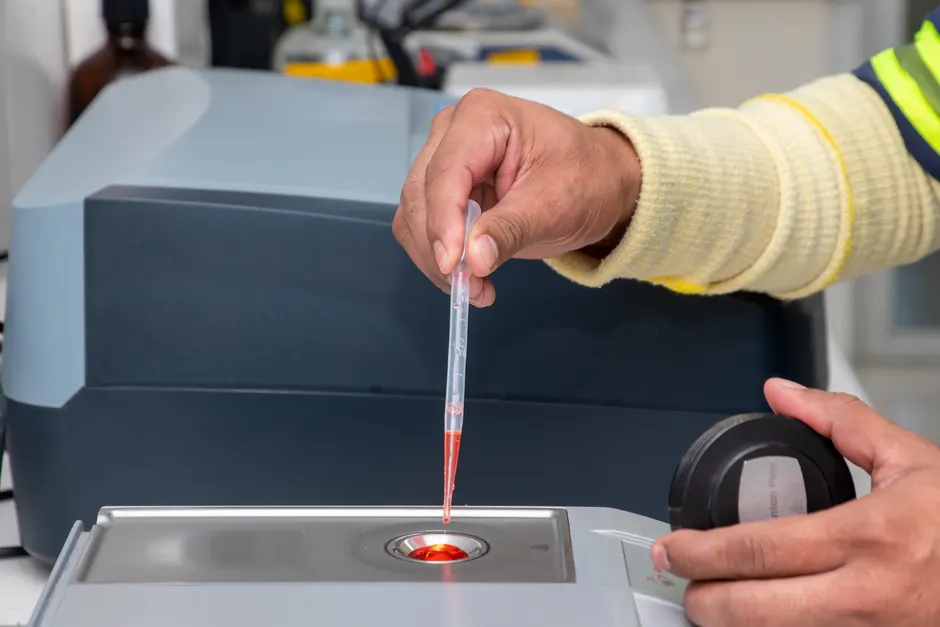
Mold Inspection and Testing in Pikes Peak Park is a building assessment service that checks for moisture conditions and evaluates suspected fungal growth when leaks, odors, or visible staining raise concern. Colorado Springs Mold Testing serves Pikes Peak Park North, Pikes Peak Park South, and nearby streets along the South Academy Boulevard corridor. We work with the mix of construction periods and building layouts found across this part of Colorado Springs, rather than assuming every wall, roof, or basement is built alike. Our inspection follows the water trail first: roof or plumbing leaks, condensation, and damp materials tell us where sampling could answer a useful question. For homes near Pikes Peak Library District - Cheyenne Mountain Library, we can assess rooms, attics, basements, and accessible HVAC components. A moisture meter and thermal imaging camera help locate suspect areas without treating every discoloration as mold. We explain findings in plain language, identify limitations, and provide a written report for the next repair or testing decision. Mold Inspection and Testing Pikes Peak Park CO is a practical option after a leak, before a property purchase, or when a musty odor persists despite routine cleaning.
Pikes Peak Park properties need an inspection that connects visible symptoms with the source and extent of moisture. We handle residential and commercial visits, targeted sampling, and follow-up testing after remediation across the South Academy Boulevard corridor and nearby blocks. For a mold testing for a home in Pikes Peak Park, Colorado, we first review the leak or odor history, then inspect accessible areas and discuss whether samples will answer a specific question. Testing is not a substitute for correcting the water source; it helps clarify conditions and document results.
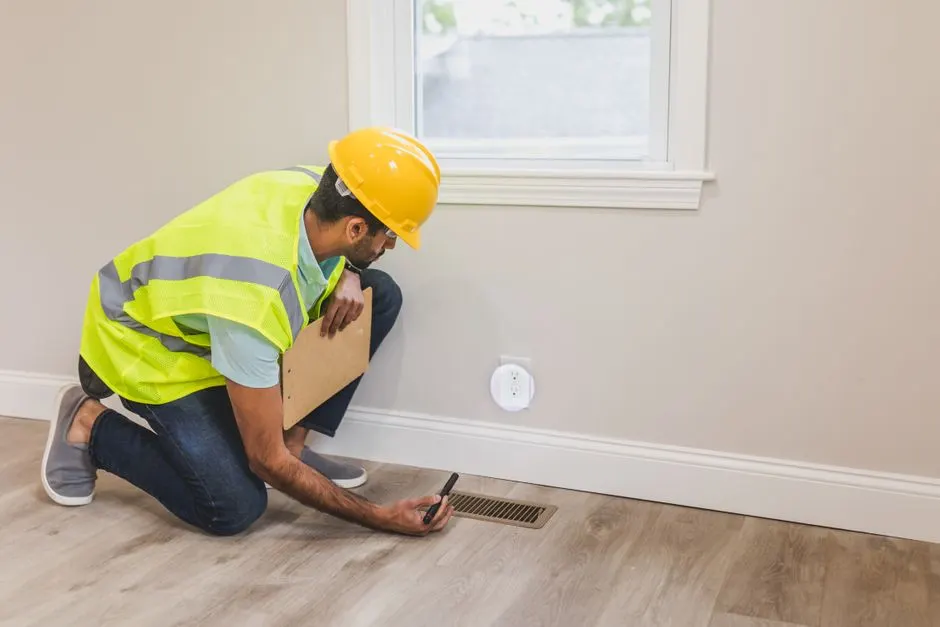
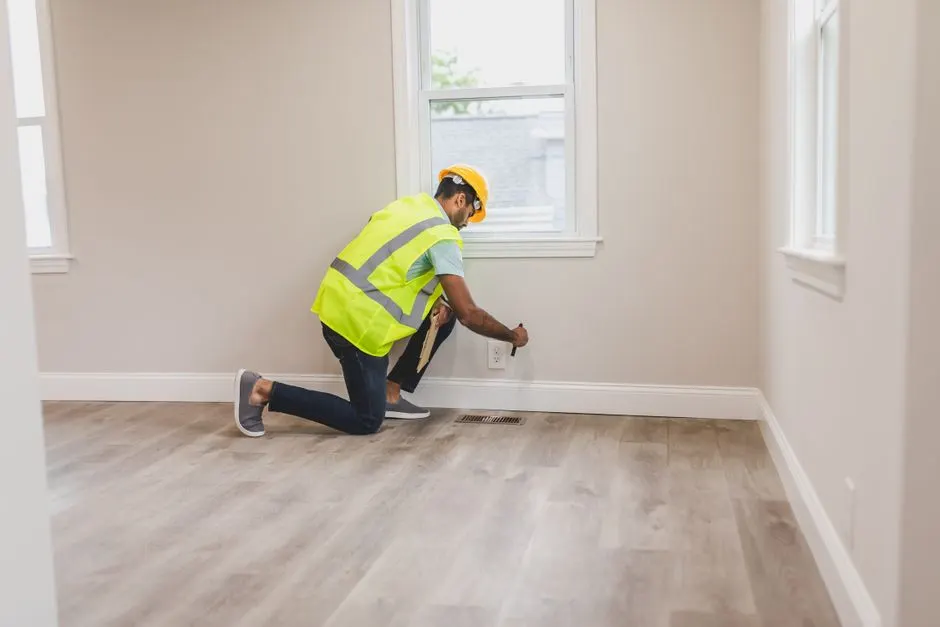
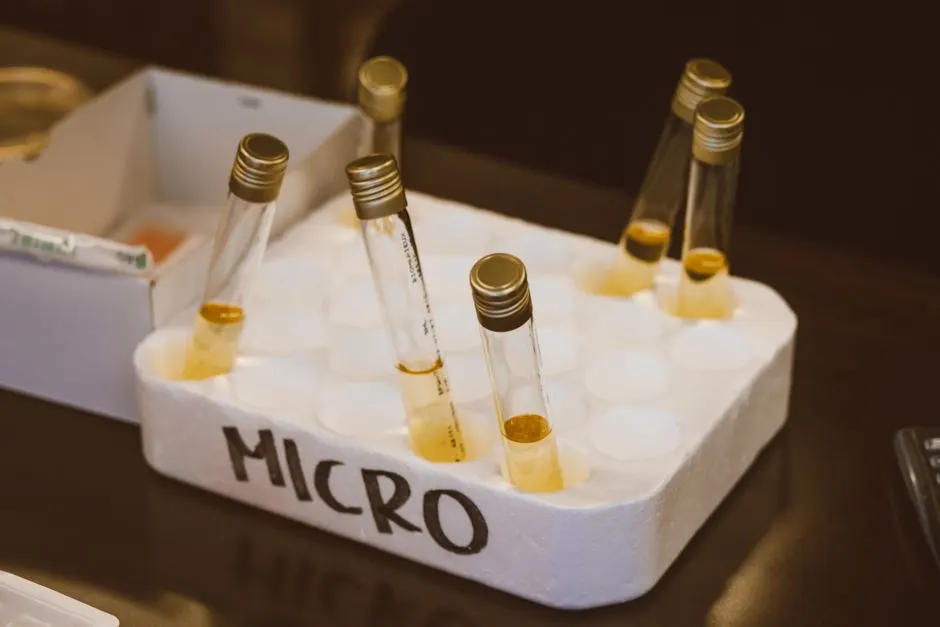
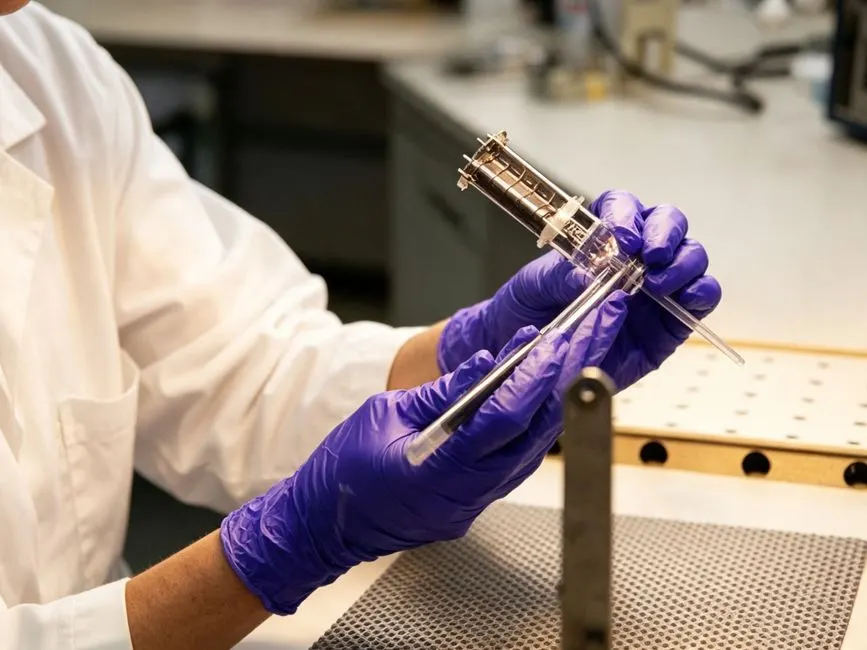
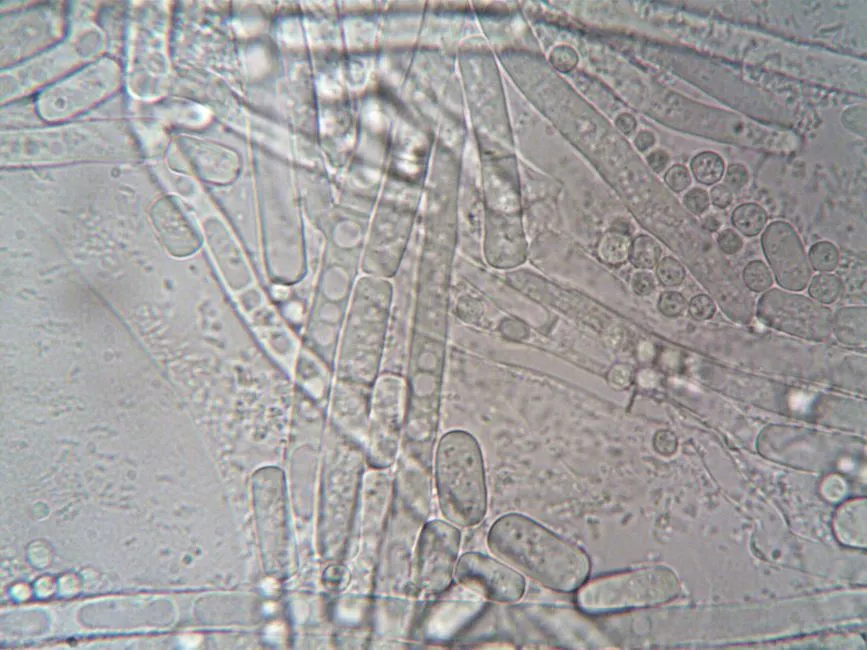


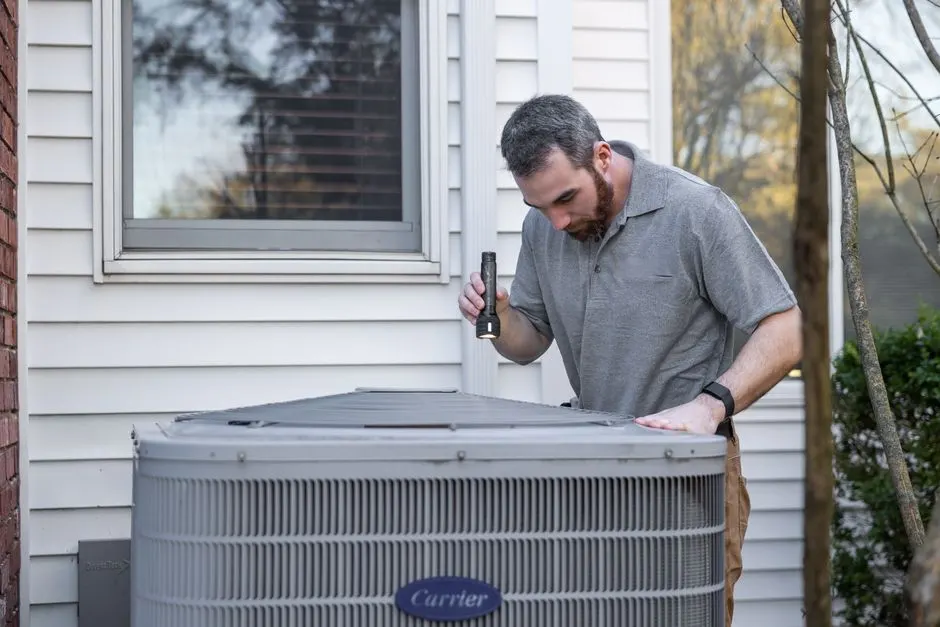
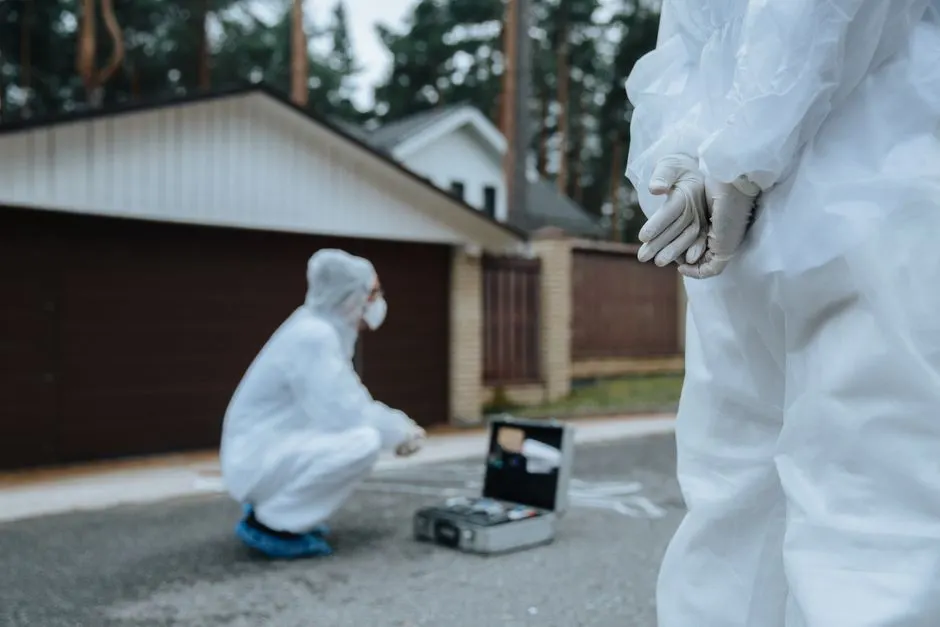
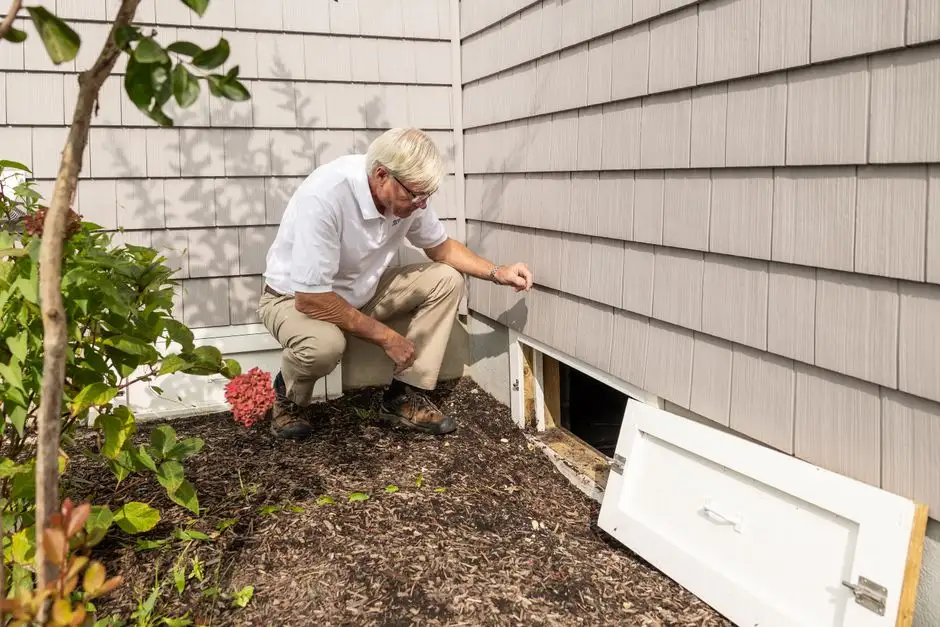
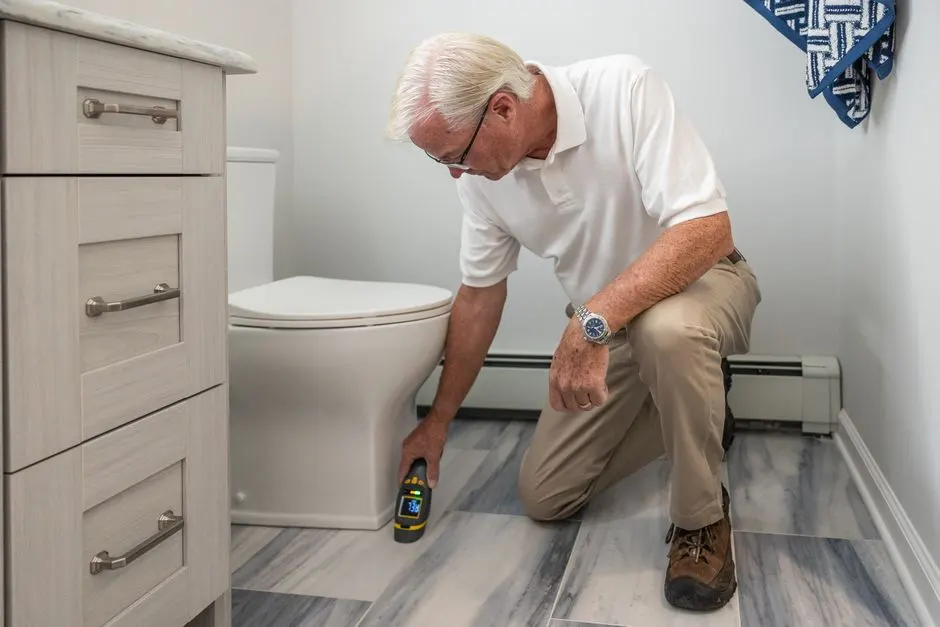
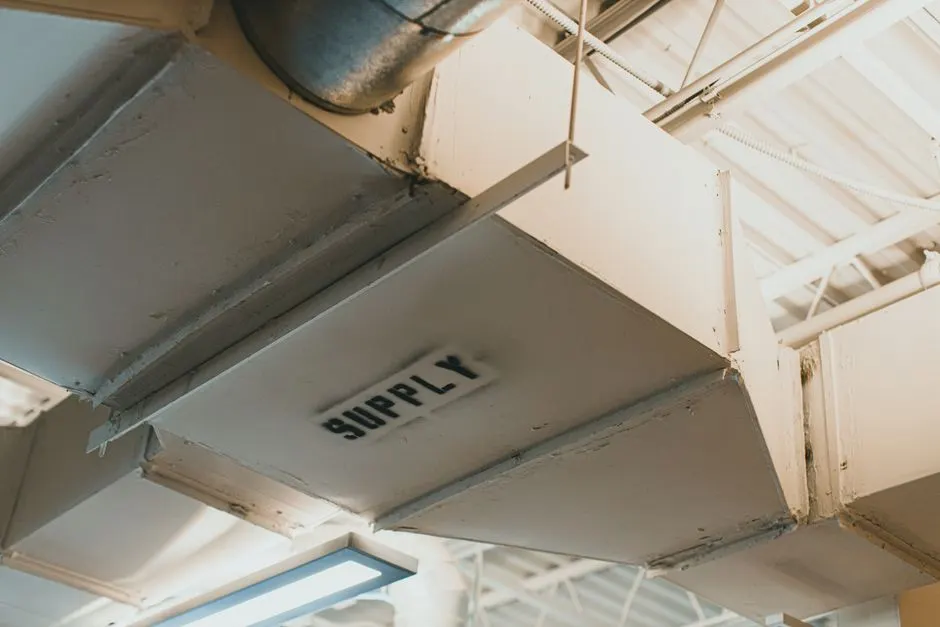


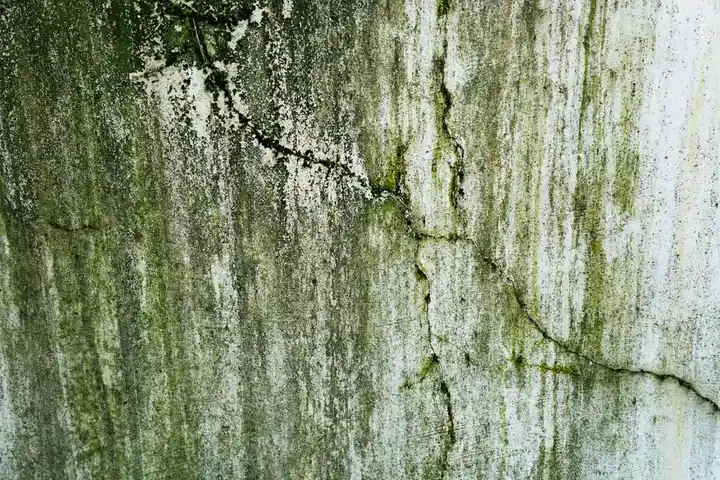
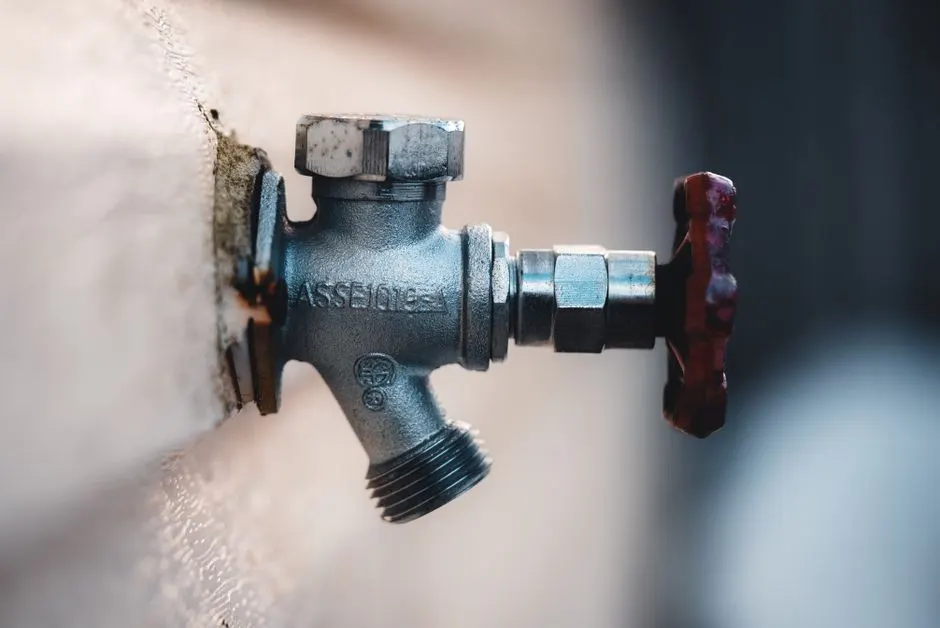
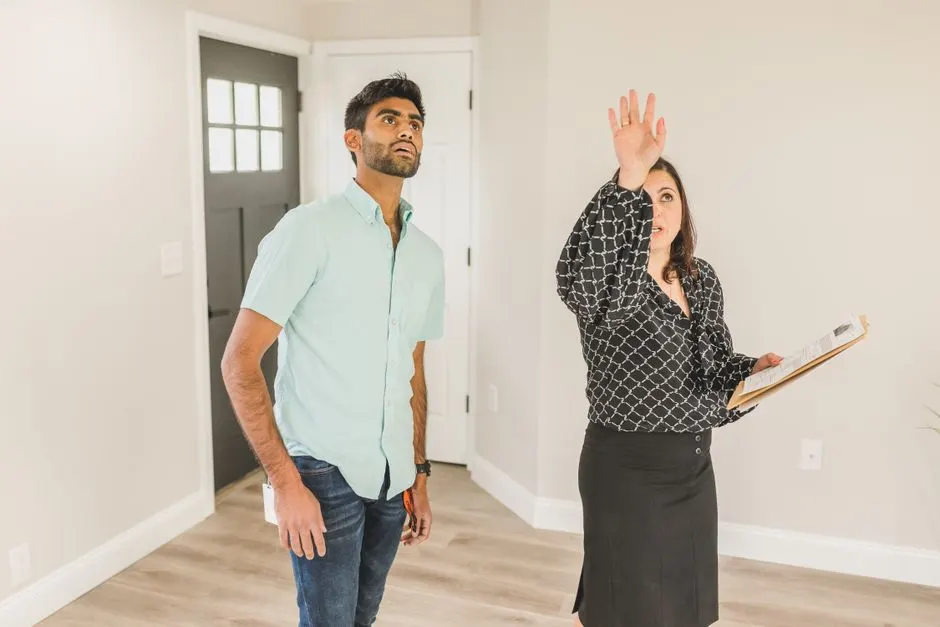

Pikes Peak Park includes residential properties from different construction periods and with varied layouts, so the same symptom can have different sources. Dry air does not prevent mold where leaks or localized moisture persist. Temperature swings and freeze-thaw events can stress plumbing and exterior assemblies, while roof leaks, condensation, and damp lower-level materials each require a different inspection path. Newer and established homes alike may have hidden moisture after plumbing or roof leaks. Our Pikes Peak Park mold inspector and testing service links the reported condition to measurements and a practical next step.
A small plumbing leak can run behind a cabinet or wall finish before it becomes visible. In homes with different renovation histories, connections and access points vary, and a surface can appear dry while material deeper in the assembly remains affected.
Roof openings can allow water into sheathing or ceiling materials, with staining becoming more apparent after later moisture events. Freeze-thaw cycles and temperature swings can stress exterior assemblies, but the specific entry point must be verified at the property.
Moist air can condense on cooler surfaces, especially where ventilation is limited or a room has repeated high moisture use. That localized dampness can affect caulk, trim, and nearby finishes even when the rest of the home feels dry.
A basement or crawl space can hold odor from a past water event, damp stored materials, or a current localized leak. Concealed corners and limited access can make the source hard to locate by smell alone.
Call for an inspection when a visible mark returns, a musty odor persists after a leak repair, or materials feel damp despite normal room conditions. In Pikes Peak Park, temperature swings and freeze-thaw events can stress plumbing and exterior assemblies, so note when the symptom began and whether it changes after weather shifts. If you are considering a hidden mold inspector serving Pikes Peak Park CO, start with the room, leak history, and affected materials. We use those details to focus the visit and decide whether sampling is warranted.
A ceiling stain returns after drying
A stain that reappears can indicate a continuing roof or plumbing leak, or moisture that remains behind the finished surface. It needs prompt moisture checking, especially if the mark expands or feels soft. We trace the affected area and document whether nearby materials are wet before recommending sampling.
Musty odor remains after a repair
An odor that persists after a leak has been repaired may come from damp material that was not removed or fully dried. Odor alone does not prove mold, but it is a reason to inspect the former leak path and nearby cavities. Call sooner if the smell strengthens or returns.
Cabinet base feels swollen or damp
Swelling under a sink or beside a dishwasher can point to repeated small leaks that go unnoticed. The finish may hide moisture in the cabinet base or adjoining wall. We check the plumbing area and surrounding materials, then explain whether additional access or a surface sample is useful.
Condensation repeatedly wets a window edge
Repeated condensation can leave surface dampness on trim, drywall, or nearby finishes. The pattern may reflect indoor humidity, cold surfaces, or a ventilation issue rather than a concealed leak. We assess the affected material and room conditions, especially if staining or visible growth develops.
Airflow carries a persistent damp smell
A damp odor that appears when heating or cooling runs deserves an inspection of accessible HVAC components and nearby surfaces. The source could be dust, moisture, or another building condition; smell cannot identify the cause by itself. We document the observation and sample only when the evidence supports it.
Our navigation uses known Pikes Peak Park reference points to distinguish the service area from other parts of Colorado Springs. Pikes Peak Library District - Cheyenne Mountain Library and Pikes Peak State College Centennial Campus are useful orientation references when confirming nearby streets, while South Academy Boulevard helps with route planning. We do not treat a landmark as evidence of a building issue or claim to work inside public facilities. For an appointment, the street address and the correct entrance remain the reliable directions.
The named park is an orientation reference for the surrounding Pikes Peak Park service area. Giving us your street address near the park helps distinguish the property from similarly named locations elsewhere in Colorado Springs.
This library is a useful local map reference when confirming nearby streets and routes. It supports orientation only; your inspection location is established by the property address and access instructions.
The Centennial Campus provides a recognizable orientation point in the wider area. We use nearby road references to plan a route, while confirming the specific building entrance directly with you.
Plus surrounding El Paso County neighborhoods, with same-day routing on most appointments.
As November 2026 brings colder conditions, check for plumbing leaks, condensation, and roof or exterior changes after temperature swings. Winter freeze-thaw events can stress plumbing and exterior assemblies, but mold risk still depends on moisture and materials staying wet. In spring, thaw and rain can reveal leak paths; summer storms can expose roof vulnerabilities; fall is a useful time to address maintenance before cold weather. For mold testing near Pikes Peak Park, tell us when the issue appeared, whether repairs are complete, and what changed with the season.
As snow and seasonal moisture change, inspect ceilings, window edges, and lower-level areas for fresh staining or dampness. A leak that began during winter may become more obvious when conditions shift. Do not assume a dry surface means the material behind it has dried.
Tip: After a leak, stop the water source and document affected rooms before repainting. We can check materials and record readings once access is safe and the source is controlled.
Summer storms can reveal roof or exterior openings, while indoor humidity and bathroom use can contribute to localized dampness. A musty smell after a storm or a newly visible ceiling mark deserves a moisture check, particularly if it spreads over several days.
Tip: Photograph new stains and note the storm or leak timing. Avoid sealing a damp surface under new paint; have the affected material checked first.
Fall is a practical time to notice roof wear, plumbing seepage, and condensation before colder weather arrives. Stored items can also block views of basement or utility areas, so a quick visual check helps identify concerns early.
Tip: Clear access around known plumbing and the attic hatch. If you find a stain or odor, book an inspection before the area is covered or altered.
Cold periods and freeze-thaw events can stress plumbing and exterior assemblies. A leak may appear suddenly or remain concealed until a ceiling, cabinet, or wall shows damage. Indoor condensation can also affect cooler surfaces even when outdoor air is dry.
Tip: If a pipe leaks, shut off water when safe and arrange prompt repair. Once the source is controlled, we can assess moisture and identify whether mold sampling is appropriate.
Pikes Peak Park is one part of our broader Colorado Springs service region. We also handle appointments in nearby listed areas, coordinating each visit around the property's location, reported concern, and access needs. This regional coverage lets customers with multiple properties speak with one service provider while keeping each inspection tied to its own observations. Nearby area pages provide more detail for customers outside Pikes Peak Park.
(City)
Downtown Colorado Springs is part of the same city service region, with appointments routed separately from Pikes Peak Park according to the property address.
View Downtown Colorado Springs(City)
Old Colorado City is another Colorado Springs service area; customers can use its local page when the property is outside the Pikes Peak Park area.
View Old Colorado City(City)
Westside appointments form part of our broader local coverage, with routing based on the actual address rather than a single shared response-time claim.
View Westside(City)
Broadmoor is included in the Colorado Springs service region and has a separate page for customers arranging an inspection there.
View Broadmoor(City)
Broadmoor Bluffs is a nearby listed service area; property access and the inspection concern determine the appointment plan.
View Broadmoor Bluffs(City)
Cheyenne Canyon is also served within the wider region, with its own location information for area-specific booking.
View Cheyenne CanyonReal answers from our team for the questions we hear most often before a job starts.
If a leak, musty odor, or visible growth has you concerned, call Colorado Springs Mold Testing and describe what you are seeing. We serve Pikes Peak Park and nearby Colorado Springs addresses, including properties in 80910 and 80916. Our inspection documents moisture conditions and identifies whether sampling is useful. Call +18668968166 to arrange a visit and get upfront pricing for the agreed inspection.
Call Colorado Springs Mold Testing at +1 866-896-8166 to talk through a leak, musty odor, visible growth, or post-remediation question. Our office hours are Monday through Friday, 8:00 a.m. to 6:00 p.m.; leave a message outside those hours and we will respond during the next business period. We serve Colorado Springs, CO, including ZIP codes 80909, 80904, and 80906.
Phone
+18668968166Address
Colorado Springs
Hours
Mon–Fri: 7AM – 7PM
Sat: 8AM – 4PM
Sun: Emergency Only
24/7 Emergency Available