Logo
Get Estimate

Water Intrusion and Leak Assessment Colorado Springs CO

Find the entry point before dampness spreads


Water Intrusion and Leak Assessment Colorado Springs CO helps homeowners, buyers, and property managers locate active leaks and trace lingering dampness before repairs or mold concerns grow. We check roofs, plumbing, windows, foundations, and concealed building cavities with moisture mapping and targeted instruments. Our water leak and moisture inspection Colorado Springs service gives you a clear account of where water is entering, what materials are affected, and what to address next.

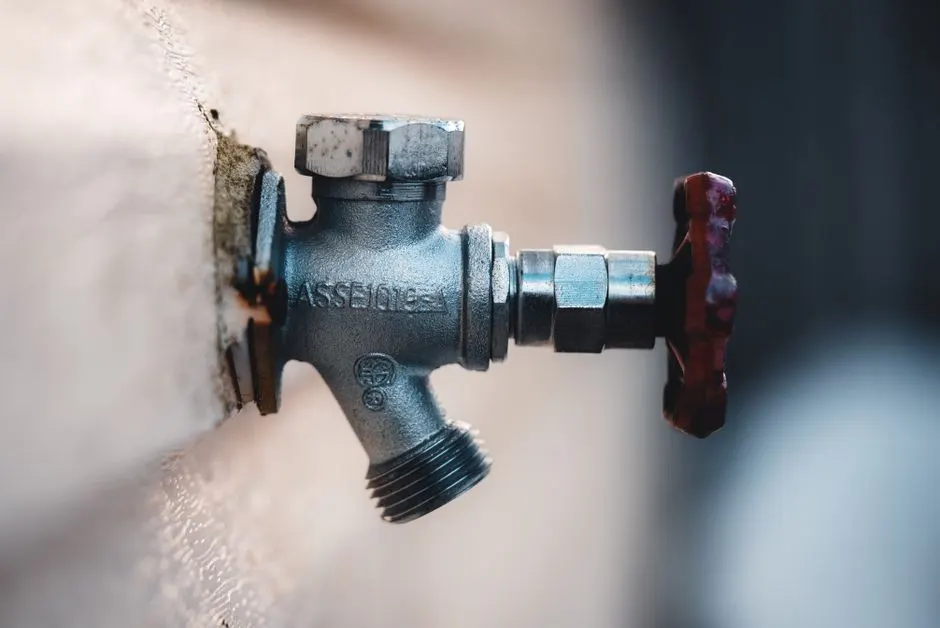
Detailed close-up of a metal faucet mounted on an exterior wall with visible textures.
Licensed Licensed & Bonded
Fully Insured Insured & Bonded
24/7 Emergency Same-Day Response
Warranty Backed Workmanship Guaranteed in Colorado Springs

What Water Intrusion Assessment Includes

Your assessment covers a symptom review, visual inspection of accessible areas, moisture mapping, and a discussion of likely water pathways. We record relevant observations and readings, then explain which next step fits the evidence. Plumbing repairs, roof work, demolition, drying, and mold cleanup are separate trade services; we can identify when they are appropriate without representing them as part of the assessment.

Symptom And History Review

We record when staining, dripping, or odor began and whether it changes after rain, snowmelt, or fixture use. Your timeline helps separate a weather-related event from a recurring plumbing or condensation problem and guides the inspection toward the most relevant areas.

Accessible Area Inspection

We inspect visible surfaces and accessible building areas around the reported concern, including nearby ceilings, walls, floors, fixtures, and exterior transitions where practical. We note access limits and do not claim to have inspected a sealed cavity that cannot be reached.

Comparative Moisture Readings

We take readings at suspect locations and nearby reference points, recording the material and conditions. Comparing locations is more useful than treating one number as a diagnosis. A meter reading helps map dampness but does not independently identify the source.

Findings And Action Plan

We review photographs, observations, and readings with you before the visit ends. You receive a practical order of action, such as stopping an active leak, arranging drying, or asking a trade to verify a source. We distinguish confirmed observations from likely explanations.

Water Intrusion and Leak Assessment Colorado Springs CO


Water Intrusion and Leak Assessment Colorado Springs CO is a building diagnostic service that identifies water entry, maps moisture in affected materials, and helps determine where further repair or testing is needed. We begin with your report of staining, dampness, odor, or a recent leak, then inspect likely paths such as roof penetrations, window assemblies, supply lines, drains, and below-grade walls. A moisture meter and thermal imaging camera help us compare suspect areas with dry reference points. We document findings so you can separate a confirmed moisture issue from a surface mark or temperature pattern.

Colorado Springs properties face rapid weather shifts, snowmelt, wind-driven rain, and freeze-thaw cycles that can expose weak flashing or plumbing connections. In El Paso County, a basement stain after thaw or a ceiling mark after a summer storm deserves a source check, not just fresh paint. Our Colorado Springs water intrusion assessment connects visible symptoms to likely entry paths and material conditions. If you need to inspect a home for water intrusion in Colorado Springs, we check the affected room and adjacent assemblies rather than treating one stain as the whole problem.

What To Expect During Inspection

A building leak inspection Colorado Springs CO visit follows a clear sequence: hear what you have noticed, inspect the likely source and affected materials, then review findings with you. Most straightforward visits take about 1.5 to 3 hours; larger or multi-area investigations take longer. We keep you informed as we work.

01

Schedule

Call or book online — a real human picks up and confirms a 2-hour arrival window.

02

Diagnose

Licensed tech inspects on-site, then walks you through the cause and your options.

03

Fix

The job is completed to code and done right the first time — no shortcuts, no surprises.

04

Guarantee

Every job backed by a written workmanship warranty — and we stand behind it.

Tools And Inspection Methods

Tools & Equipment

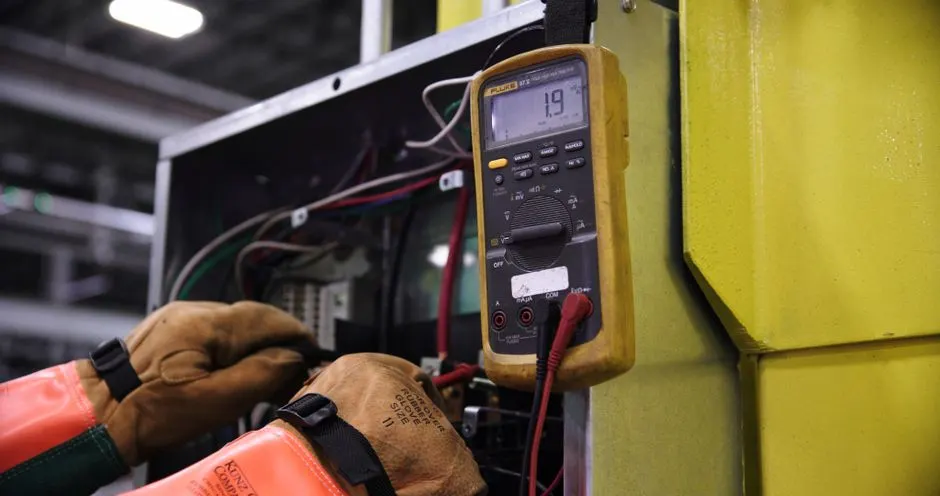
Moisture meter

We use a moisture meter to compare readings on accessible building materials. Readings help map suspect areas against nearby references; material type and surface conditions matter when interpreting each result.

Pinless moisture meter

A pinless moisture meter screens a broader surface without leaving pin marks. We use it to compare wall or floor areas and guide closer checks where a dampness pattern appears.

Hygrometer

A hygrometer records room humidity and temperature during the visit. Those conditions help us consider whether surface condensation could explain dampness, especially in bathrooms, basements, and other cool spaces.

FLIR thermal imaging camera

A FLIR camera displays surface temperature differences that can guide inspection toward a possible wet area or air-leak pattern. We verify thermal clues with moisture readings and visible evidence.

Borescope

A borescope can help view a suitable concealed cavity through an existing access point. It gives a limited visual look, not a complete inspection of every part of a sealed wall or ceiling.

Methods & Standards

Comparative moisture mapping

We take readings at the suspected wet area and at nearby materials that appear unaffected. The comparison helps define the extent of an abnormal pattern while accounting for material and surface differences. We record locations so your repair contractor can target follow-up work.

Source-path tracing

We follow the building's likely water route from the symptom toward possible roof, plumbing, window, foundation, or condensation sources. Stains and readings are assessed together because water may travel along framing or finishes before becoming visible. We identify the strongest supported pathway and any access limits.

Thermal screening with verification

Thermal imaging is used to locate temperature patterns that warrant closer attention, not to declare a leak by itself. We check selected areas with a moisture meter and compare nearby surfaces. This two-method approach reduces the risk of confusing an insulation gap or cold surface with confirmed water.

Moisture-risk documentation

We record observed conditions, affected locations, readings, and relevant photographs in a clear summary. Where mold concerns exist, ASTM D7338 Standard Guide for Assessment of Fungal Growth in Buildings provides a useful framework for considering visible conditions. The report distinguishes observation from interpretation and recommends practical next steps.

When To Arrange An Assessment

01

A winter freeze leaves a supply line dripping near an exterior wall or under a kitchen sink.

What we do: We inspect the accessible pipe area and nearby finishes, map the moisture pattern, and note whether water has moved into a cabinet, wall, or floor. We help you identify where a plumber should verify the line and where drying attention is needed.

→ You get a clearer boundary of affected materials and a sensible repair sequence, rather than relying on the visible drip alone.

02

A summer storm brings wind-driven rain, followed by a new ceiling mark or damp window trim.

What we do: We compare the new symptom with roof and window transitions, inspect accessible adjoining areas, and record moisture readings. If the evidence points beyond the visible mark, we explain where a roofer or window contractor should investigate.

→ You can direct repairs toward the likely entry path and preserve a record of conditions before stains are patched or painted.

03

A home buyer notices a basement odor and old-looking staining during a Colorado Springs walkthrough.

What we do: We inspect accessible basement surfaces, check for active dampness, and consider plumbing and exterior moisture pathways. We separate current readings from signs that may reflect an older event and explain what a follow-up inspection would need to access.

→ You receive useful condition information before making repair decisions, with clear distinctions between observed evidence and items needing further evaluation.

04

A commercial tenant reports recurring dampness across a wall shared with a plumbing chase.

What we do: We assess the reported suite and accessible adjacent areas, compare readings, and document the pattern for property management. Where access is restricted, we specify the boundary of the inspection and the trade or building access needed to continue.

→ Management gets a focused investigation path and a documented basis for coordinating plumbing, building maintenance, or drying work.

How Assessments Work In Colorado Springs

Colorado Springs buildings see sharp temperature swings, snow accumulation, spring melt, and summer storms that can drive water through roof and wall transitions. We ask whether symptoms track weather, plumbing use, or indoor humidity before selecting inspection points. Older homes around Old Colorado City and the Westside may have different materials and repair histories from newer Briargate properties, so we compare each suspect area with appropriate nearby references rather than applying one assumption to every building. Our building leak inspection Colorado Springs CO approach considers roof edges, window openings, basement walls, plumbing near exterior walls, and condensation at cold surfaces. If you need a water entry assessment after a storm in Colorado Springs, we check accessible areas promptly and document whether dampness is present during the visit. Local properties in El Paso County also vary in access and construction; we explain when a cavity needs a roofer, plumber, or restoration contractor to open or test it. Water intrusion assessment is diagnostic work, not a substitute for trade repair or local permit requirements. We leave you with observations and a practical path to the right repair.

Neighborhoods We Serve

  • Old Colorado City

    Older homes and varied renovation histories make it important to check how roof, window, and plumbing repairs connect to current moisture patterns.

  • Broadmoor

    Sloped sites and below-grade spaces can make basement seepage or drainage pathways worth checking after snowmelt and prolonged rain.

  • Ivywild

    Mixed-age buildings can have different wall and floor materials, so we compare readings with suitable dry references rather than relying on a single threshold.

  • Briargate

    Newer construction still needs careful checks at window transitions, roof penetrations, and plumbing connections when a stain or damp area appears.

Local Conditions We Plan For

  • Freeze-thaw cycles stress exposed plumbing and exterior transitions.

    A pipe near an exterior wall can freeze and leak as temperatures shift, while repeated expansion can expose weak seals. We inspect nearby materials and ask when the symptom began so the pattern is not mistaken for a one-time spill.

  • Snowmelt can reveal drainage weaknesses at foundations.

    Water may collect against a below-grade wall or enter at a floor junction after thaw. We map dampness at multiple points and consider the timing, rather than assuming every basement stain comes from a plumbing line.

  • Wind-driven storms can push rain into roof and window details.

    Water can travel from an opening before it reaches an interior ceiling or trim surface. We compare the visible symptom with accessible adjacent areas and document the likely route for a roofer or window contractor.

Recurring Ceiling Stain Traced

Before

A homeowner near Old Colorado City had a ceiling stain that darkened after storms, then looked dry for weeks. Repainting concealed the mark but did not stop it returning. No one had checked the attic-side materials or compared readings around the stain, leaving the roofer with no focused starting point.

After

We inspected the room and accessible attic area, then compared readings at the stain, nearby ceiling, and roof-adjacent material. The strongest moisture pattern aligned with one roof transition. The homeowner had photographs and a defined area for the roofer to investigate instead of a vague report of a ceiling leak.

Maintenance: After roof repair, the homeowner monitored the same locations through the next rain and kept the attic access clear. A follow-up reading can confirm that the materials are drying rather than relying on the stain's appearance alone.

Before

After spring snowmelt, a Broadmoor basement had a damp strip near the floor and a musty smell. The owner was unsure whether the cause was a pipe, humidity, or water entering from outside. Stored items sat against the wall, and the full damp area was not obvious.

After

We checked the wall and floor junction, compared readings across four locations, and recorded room humidity. The pattern was concentrated along the exterior-side lower wall rather than around plumbing. The owner received clear next steps for drainage review, moving stored items away from the wall, and drying the affected area.

Maintenance: Keep a clear inspection gap along basement walls and check the same four locations after snowmelt or heavy rain. Address exterior drainage promptly and call for reassessment if readings rise or the musty odor returns.

Before

A Briargate resident found a small puddle beneath the kitchen sink but could not tell how long the cabinet base had been damp. The visible water was gone by the time of the visit. The wall and flooring beside the cabinet had not been checked.

After

We inspected accessible plumbing connections and compared readings across the cabinet base, adjacent wall, and nearby floor. The highest readings were limited to the cabinet area, giving the plumber a focused location to verify. The resident also knew which materials needed drying and where to recheck.

Maintenance: After the plumbing repair, keep the cabinet empty until the base is dry and inspect the connections weekly for the first month. Recheck the adjacent floor if swelling, staining, or a damp odor appears.

Stop Leaks Before Dampness Spreads

Unresolved water entry can damage finishes, soften building materials, and create conditions for visible mold growth or hidden mold behind drywall. A focused inspection helps you act on the source instead of covering symptoms. We identify where the evidence points and what should happen next.

Problem

A ceiling stain returns after each Colorado Springs storm.

Repeated wetting can spread through insulation and framing, making the visible mark a poor guide to the full affected area.

Our Fix

We inspect the stain, accessible attic or ceiling conditions, and nearby roof-related transitions. Comparative readings help show whether the area is damp during the visit. We document the likely path and direct you toward roof repair or further access where the evidence supports it.

Problem

A basement wall becomes damp after snowmelt or heavy rain.

Moisture against below-grade finishes can damage stored belongings, weaken materials, and leave persistent musty odors in the lower level.

Our Fix

We map moisture at the wall and floor junction, check adjacent surfaces, and consider drainage or plumbing clues. Our findings help distinguish a localized leak pattern from broad surface condensation, so you can prioritize exterior drainage, a qualified repair, or drying.

Problem

A slow plumbing leak leaves a cabinet base or floor wet.

Water can remain trapped beneath cabinets or flooring, damaging concealed material even after the visible puddle has been wiped away.

Our Fix

We examine accessible connections, cabinet surfaces, and surrounding materials, then compare moisture readings. If the pattern points to an active supply or drain issue, we identify the location for plumber verification and note which areas may need drying or further inspection.

Problem

A musty odor remains after a leak appears to be fixed.

Residual dampness, wet porous materials, or an overlooked second source can keep odors present and complicate cleanup.

Our Fix

We reassess the original area and connected materials rather than assuming the repair resolved every moisture issue. Readings and visual observations help determine whether drying is incomplete, another pathway remains, or a separate mold-focused evaluation should follow.

Clear Findings, Practical Next Steps

Clear Findings, Practical Next Steps

Colorado Springs water assessments give you useful evidence instead of guesswork. We identify the affected area, record moisture readings, and explain which observations point toward a plumbing, roof, drainage, or condensation issue. You leave with a practical sequence for drying, repair, and any needed follow-up.

  • Trace The Entry Path

    A ceiling stain can originate several feet from a roof opening, while a damp baseboard may point to plumbing, exterior grading, or a below-grade wall. We compare the pattern across connected surfaces and record readings at multiple points. That helps your repair contractor focus on the likely source instead of opening sound finishes at random.

  • Check Hidden Dampness

    We use a pinless moisture meter and targeted surface checks to compare suspect material with nearby dry areas. If readings suggest moisture behind a finish, we explain the next appropriate step, including limited access or specialist repair. You get a grounded answer about hidden dampness, not a claim based on one instrument reading.

  • Prioritize Repairs

    Findings distinguish active water entry from old staining and ordinary condensation. We note which areas need prompt source control, which materials need drying, and whether a follow-up measurement is useful. A focused leak-related moisture assessment Colorado Springs CO residents can act on helps prevent unnecessary demolition and repeated patching.

  • Document Property Conditions

    Photos, locations, and moisture readings create a useful record for owners, buyers, property managers, and repair trades. We explain the limits of each finding and identify what was accessible on inspection day. That makes it easier to discuss next steps with an insurer, roofer, plumber, or restoration contractor.

Training And Inspection Standards

Licensed & Certified

  • IICRC Water Damage Restoration Technician — issued by Institute of Inspection, Cleaning and Restoration Certification
  • IICRC Applied Microbial Remediation Technician — issued by Institute of Inspection, Cleaning and Restoration Certification
  • EPA Mold Course Certificate — issued by U.S. Environmental Protection Agency

Verified Reviews

Customer feedback Not stated

The assessment helped us understand why a stain above our Old Colorado City living room returned after storms. The technician checked the attic access and ceiling readings, then gave us a clear area to show our roofer. We appreciated that the report separated what was observed from what still needed repair confirmation.

Customer feedback Not stated

We had dampness in a basement corner and were worried the wall would need to be opened. The technician checked several locations and explained how the readings compared. We left knowing which drainage issue to address and what signs to watch for after the next snowmelt.

Customer feedback Not stated

A slow leak under our sink had left the cabinet base wet. The inspection mapped the affected area and helped our plumber focus on the right connection. We also received practical guidance on drying and checking the nearby floor, which was more useful than simply wiping up the visible water.

Field Experience And Training

Our local experience comes from assessing real building conditions: roof leaks after wind-driven storms, frozen-pipe releases, basement seepage, and persistent condensation. We distinguish an inspection from plumbing repair or water removal, then give you evidence that helps the right trade act. Relevant training includes the IICRC Water Damage Restoration Technician (WRT) and Applied Microbial Remediation Technician (AMRT) disciplines. We use those principles to recognize wet-material risks and communicate practical next steps without overstating what a visual or instrument-based assessment can prove.

  • We compare suspect readings with dry reference areas instead of interpreting an isolated meter number without context.
  • Our technicians use FLIR thermal imaging as a screening aid, then verify patterns with moisture readings and visible evidence.
  • We consider roof, plumbing, drainage, condensation, and building-envelope pathways before identifying a likely source.
  • We document inaccessible cavities and explain when a plumber, roofer, or restoration contractor should perform additional testing.
  • If water damage raises mold concerns, we explain whether targeted sampling or a separate mold assessment fits the observed conditions.
Get Started Today
Field Experience And Training

Frequently Asked Questions

Real answers to the questions we hear most often from local homeowners and property managers.

How do inspectors assess water intrusion in a home?
Inspectors assess water intrusion by tracing visible symptoms, checking likely entry points, and comparing moisture readings across affected and dry materials. We ask when the issue appears, inspect related roof, plumbing, window, and foundation areas, then document findings. A typical single-area visit takes about 1.5 to 3 hours. Thermal imaging can help identify patterns, but we verify those patterns with other evidence before drawing conclusions.
How much does a leak and moisture inspection cost in Colorado Springs?
A focused 2026 leak and moisture inspection in Colorado Springs commonly costs $250 to $650, depending on access, affected areas, and reporting needs. A single-room assessment is usually less involved than tracing a leak across several floors or inspecting a commercial space. We explain upfront pricing before work begins. The price covers assessment, not plumbing repair, roof repair, demolition, or water extraction.
Can a moisture assessment find a hidden plumbing leak?
Yes, a moisture assessment can identify patterns consistent with a hidden plumbing leak, but confirmation may require a plumber's pressure or fixture testing. We compare readings around supply lines, drains, cabinets, and adjacent finishes, then note whether the pattern supports a plumbing source. If you need to find hidden leak-related moisture Colorado Springs CO, we show where readings are elevated and which trade should verify the line.
When should I inspect for water intrusion after a storm?
Inspect for water intrusion as soon as it is safe after a storm, especially if you see an active drip, spreading stain, or damp insulation. For a small, stable mark, arrange an assessment within 24 to 48 hours so wet materials do not remain unnoticed. We check roof-related ceilings, windows, and exterior wall transitions, then document whether moisture is active or appears to be an older condition.

Related Services

Mold Inspection

Water entry can leave damp materials that support visible mold growth or hidden mold behind drywall. A mold inspection follows the moisture assessment when you see growth, notice a persistent musty odor, or need affected areas evaluated. We connect the observed moisture pattern to the locations that warrant closer inspection.

View Mold Inspection

Residential Mold Inspection

A residential assessment can follow a plumbing leak, roof stain, or basement seepage in your home. We look at affected rooms and nearby building materials, including accessible attics and crawl spaces. Pairing it with water intrusion findings helps you understand both the moisture source and any mold-related concerns.

View Residential Mold Inspection

Commercial Mold Inspection

For offices, retail spaces, and multi-unit properties, a leak may affect more than one room or tenant. Commercial inspection helps assess the distribution of visible or suspected mold after water entry. We use the leak findings to focus attention on affected zones and document conditions for property decision-makers.

View Commercial Mold Inspection

Mold Testing and Sampling

Sampling is a separate, targeted step when observations leave a specific mold question unanswered. After water intrusion is assessed, we can discuss air or surface samples based on the location and purpose. Sampling does not identify the leak source; it complements moisture findings when mold identification or comparison is needed.

View Mold Testing and Sampling

Air Quality Testing for Mold

If dampness has been accompanied by musty odors or concern about airborne particles, air testing may help answer a focused question. We first consider the water pathway and affected materials, then determine whether sampling is appropriate. Results should be interpreted alongside site conditions, not as a substitute for stopping the leak.

View Air Quality Testing for Mold

Surface Mold Sampling

When a water-damaged surface has visible growth, a surface sample can help characterize material collected from that location. We identify the sampled area and explain what the result can establish. Sampling does not determine whether a concealed leak remains active, so source assessment and repair still matter.

View Surface Mold Sampling

Book Water Intrusion Assessment In Colorado Springs

A spreading ceiling stain, damp basement wall, or unexplained musty odor calls for a source check. Our technicians document the moisture pattern and explain your next practical step. Call Colorado Springs Mold Testing to arrange an assessment.

Call Our Team Schedule Assessment

Contact Our Inspection Team

Call Colorado Springs Mold Testing at +1 866-896-8166 to talk through a leak, musty odor, visible growth, or post-remediation question. Our office hours are Monday through Friday, 8:00 a.m. to 6:00 p.m.; leave a message outside those hours and we will respond during the next business period. We serve Colorado Springs, CO, including ZIP codes 80909, 80904, and 80906.

Or call us right now at +18668968166 — we answer.

Colorado Springs Mold Testing


  • Phone

    +18668968166
  • Address

    Colorado Springs

  • Hours

    Mon–Fri: 7AM – 7PM
    Sat: 8AM – 4PM
    Sun: Emergency Only
    24/7 Emergency Available

Call +18668968166 Get Quote
Call Quote