
Acacia Park
Acacia Park is a central downtown reference point. It helps orient visitors to nearby streets and the surrounding city-center grid, but the inspection is routed to your confirmed property address.
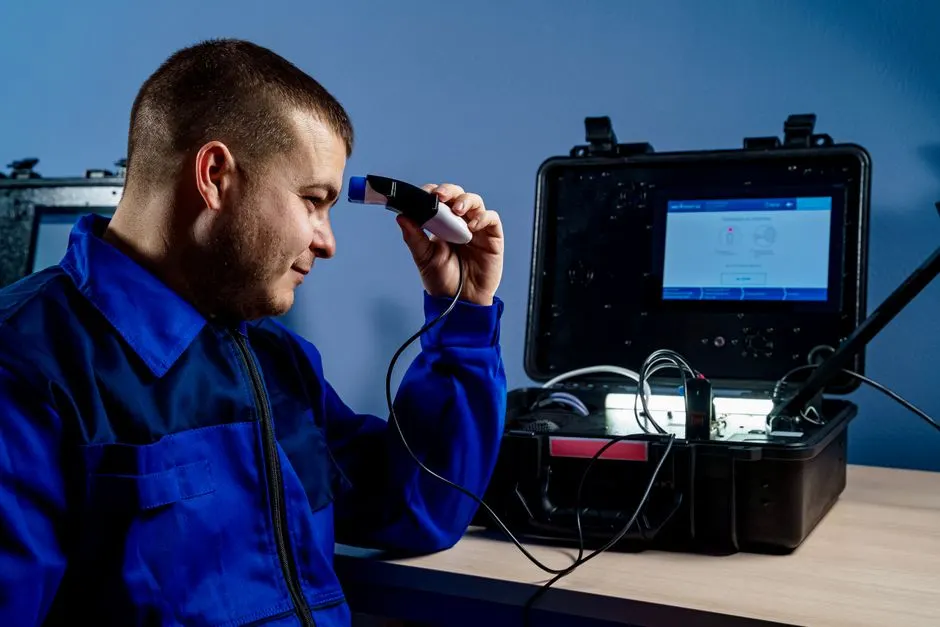
Mold Inspection and Testing in Downtown Colorado Springs is a building assessment that identifies moisture conditions and evaluates suspected fungal growth through visual inspection and targeted sampling. Colorado Springs Mold Testing serves residential and commercial properties in El Paso County, including the Pikes Peak Avenue corridor and blocks near Acacia Park. Downtown's mix of older houses, apartments, offices, and street-level businesses calls for a method that fits each building rather than a single checklist. Aging plumbing, enclosed basements, and repairs made over different decades can leave moisture behind walls or below finished floors. Our Downtown Colorado Springs mold inspector and testing service checks the history you know, inspects the areas you can access, and records moisture findings before recommending samples. We use a moisture meter and thermal imaging camera to investigate suspicious areas without treating every discoloration as mold. Mold Inspection and Testing Downtown Colorado Springs CO also includes a clear explanation of what samples can establish and what they cannot. You get findings tied to locations in the building, plus practical next steps for leak repair, further investigation, or cleanup verification.
Mold concerns here range from a bathroom leak in an older house to a musty office suite or a damp lower-level apartment. Our inspection begins with a visual survey and moisture readings, then adds sampling when it answers a specific question. If you are searching for Mold Inspection and Testing near me in Downtown Colorado Springs CO, tell us which rooms are affected, whether a leak was repaired, and how long the odor has lasted. Those details help us plan access and choose a useful inspection path.

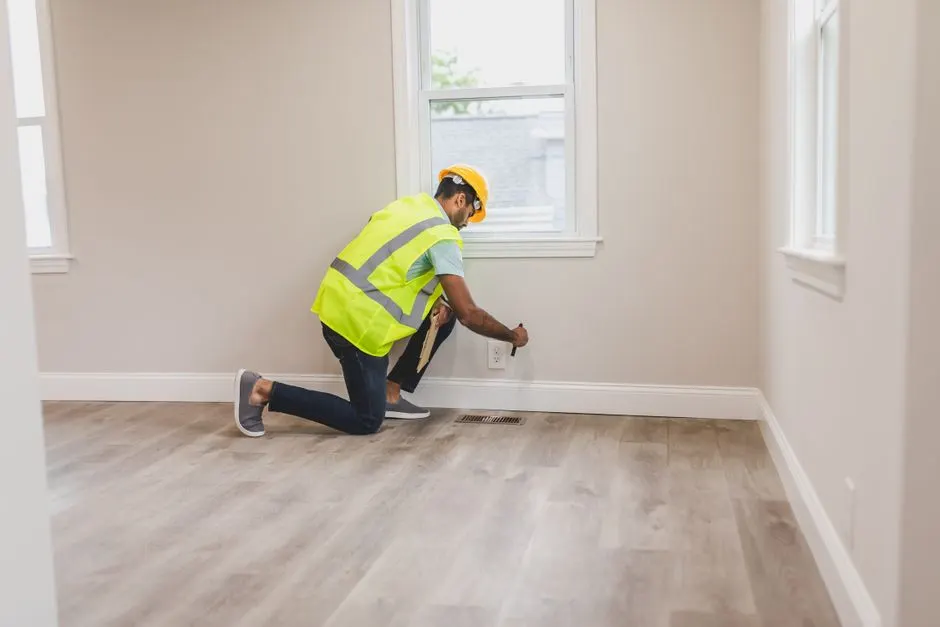
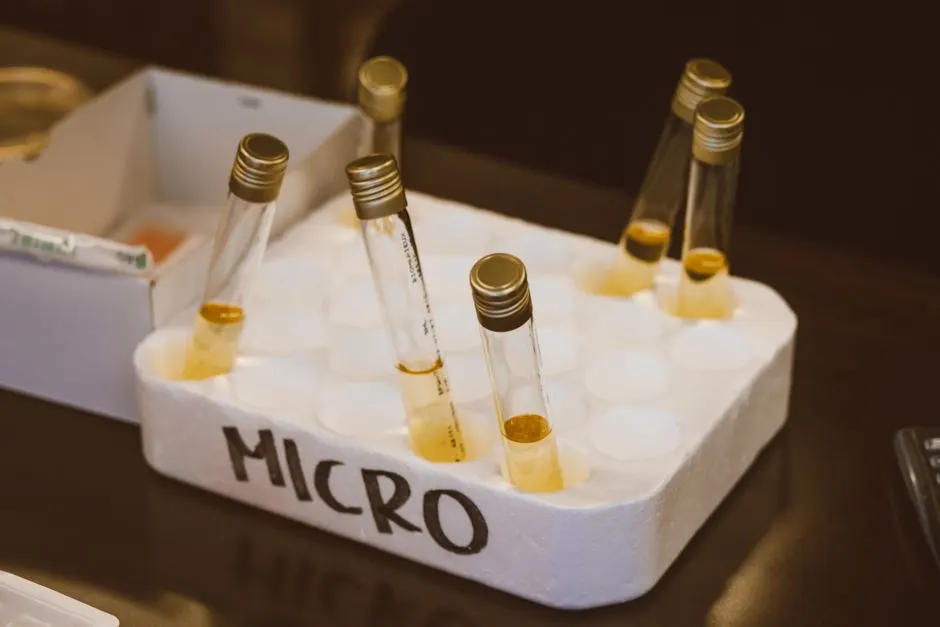
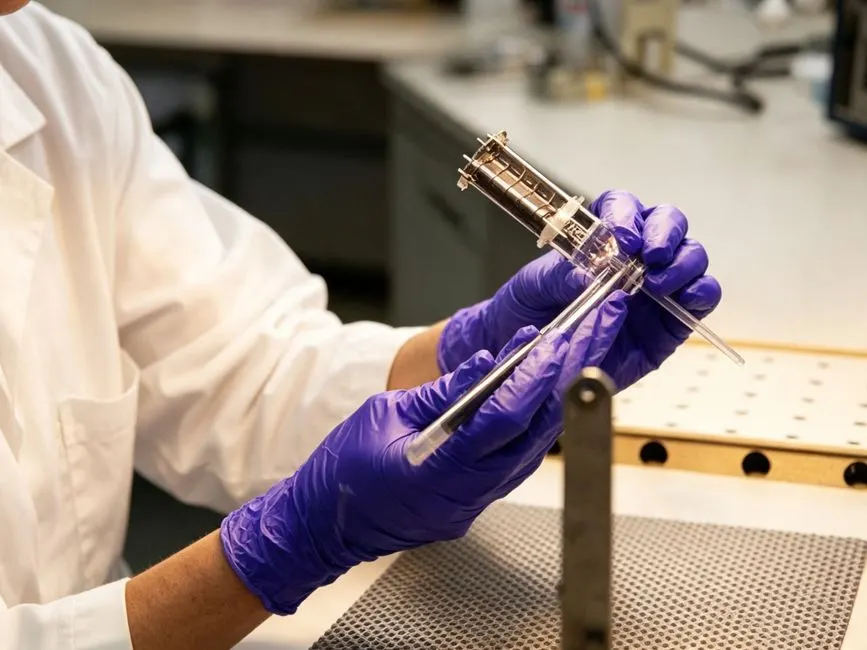
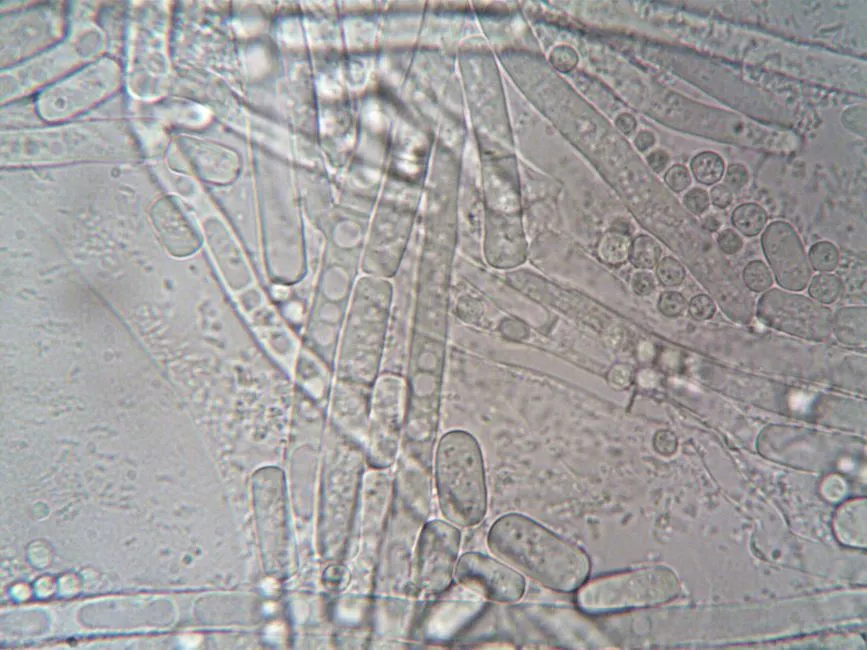


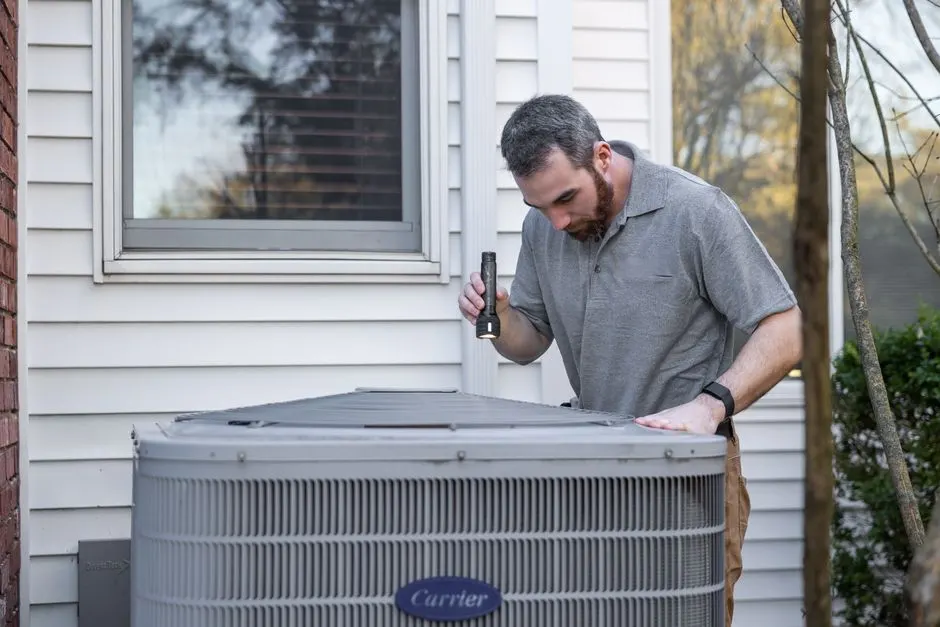
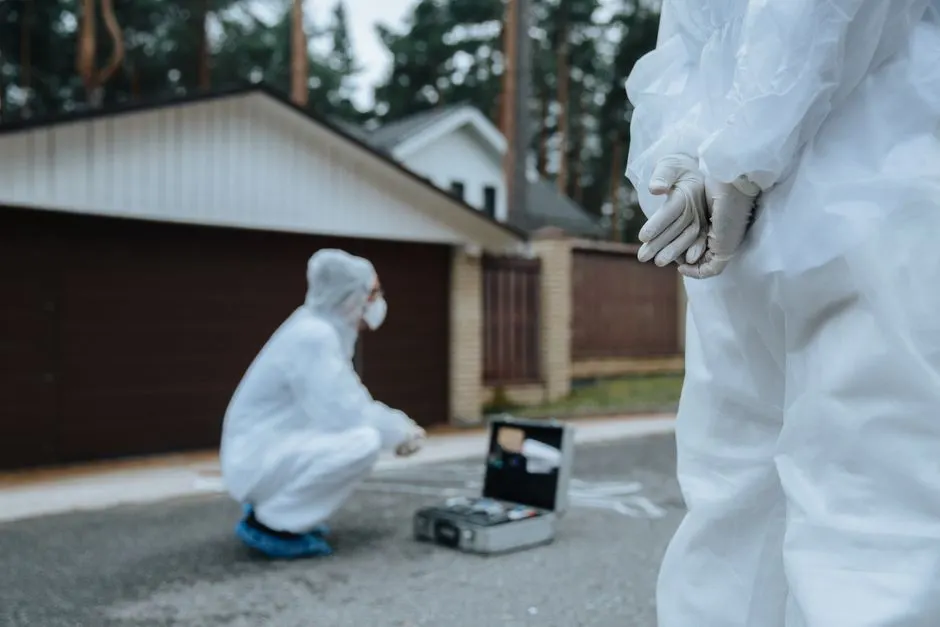
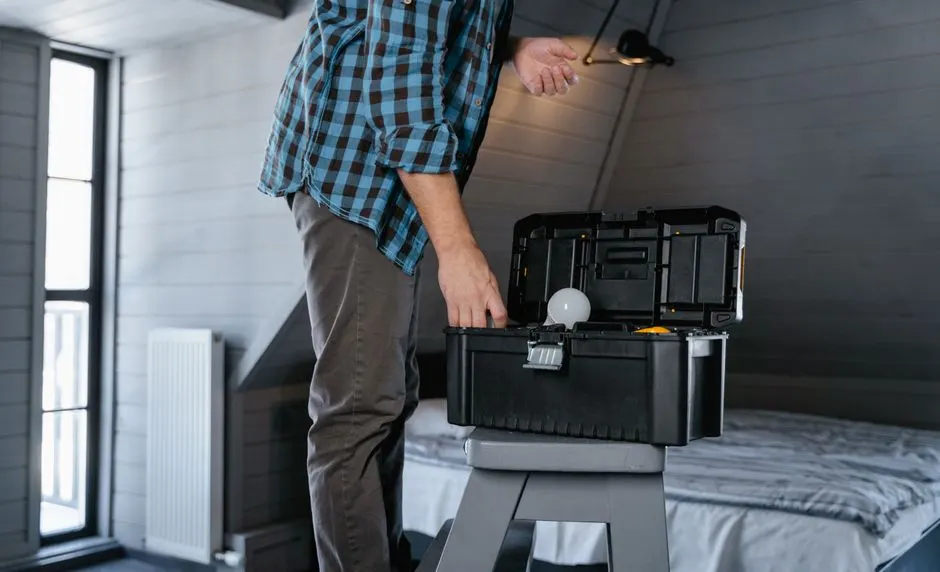
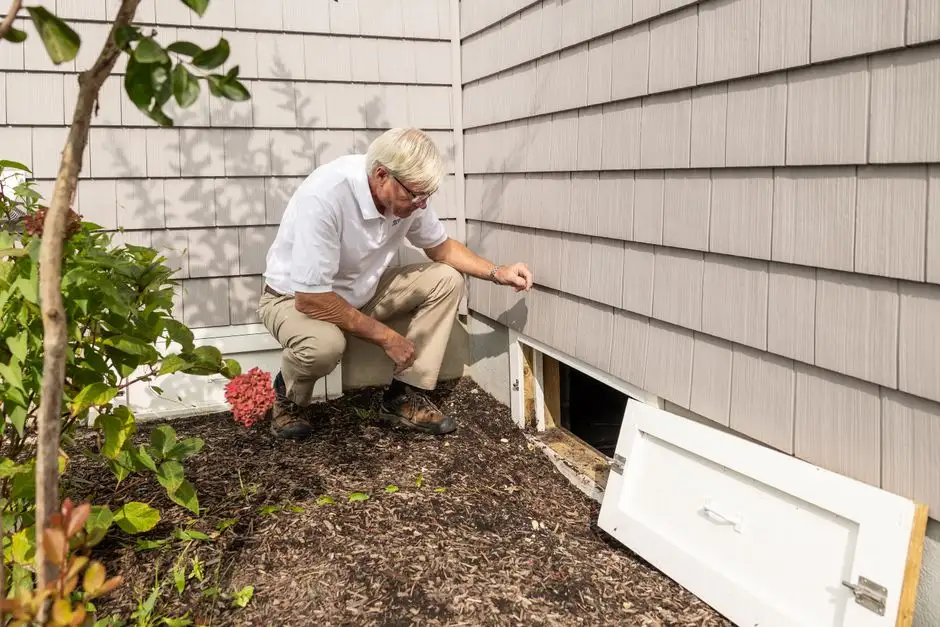
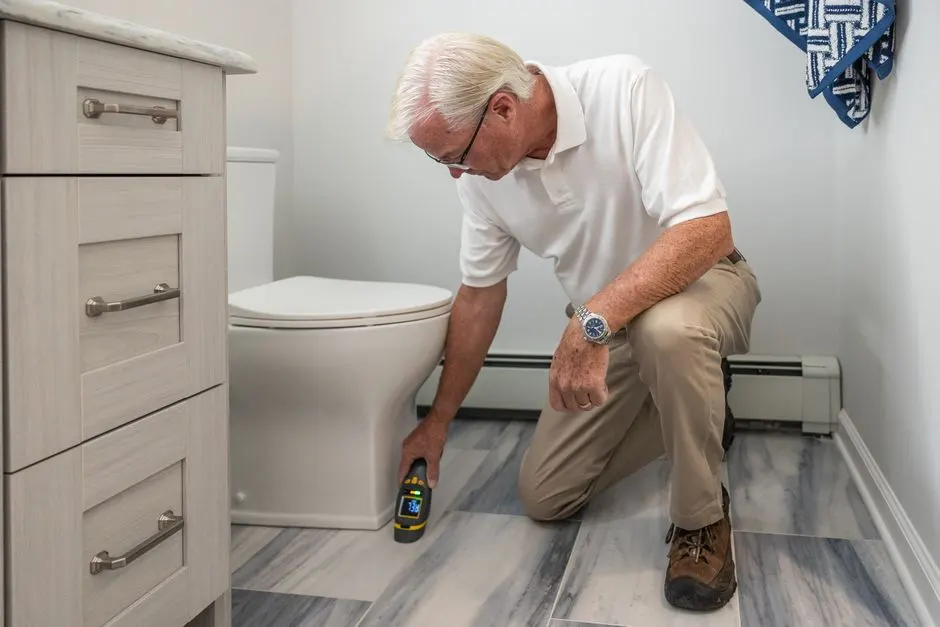
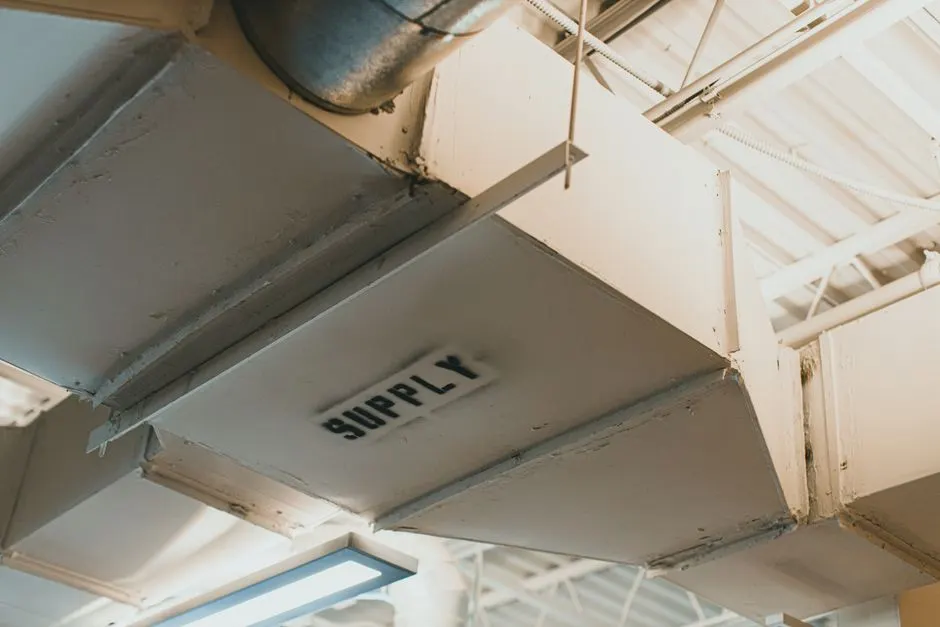


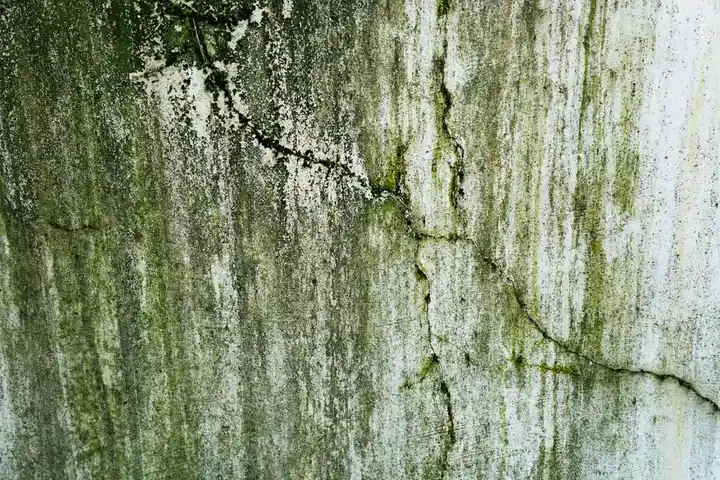
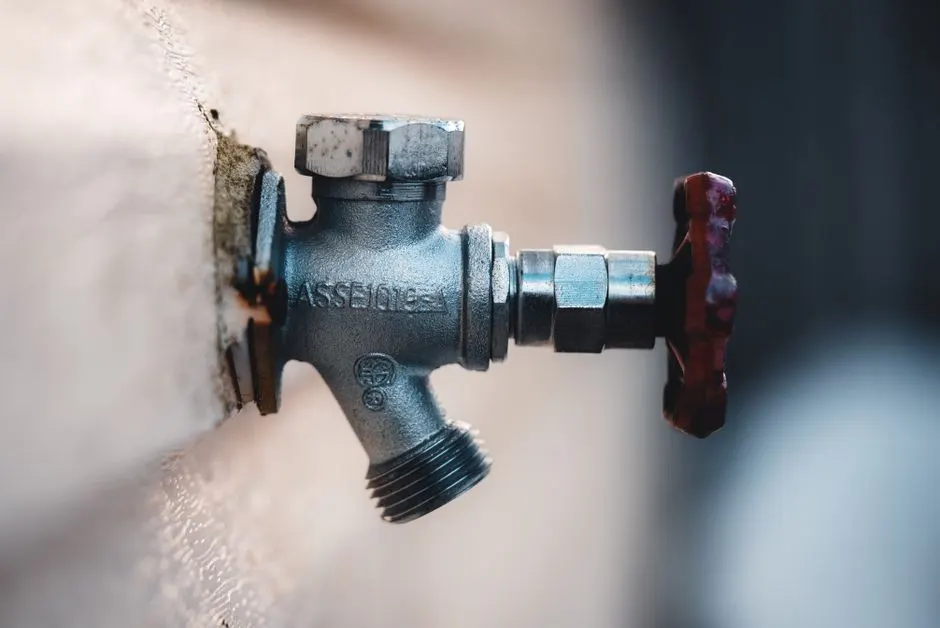


Older homes and mixed-use buildings can have aging plumbing and moisture-prone basements, while historic masonry and varied building envelopes require attention to condensation and water entry. Commercial buildings and apartments create a varied mix of inspection needs, and freeze-thaw cycles can contribute to leaks and moisture intrusion. Our Downtown Colorado Springs mold inspector and testing service looks for the source as well as the visible symptom. We check whether a concern relates to roof or plumbing leaks, damp surfaces, HVAC conditions, or a prior cleanup before recommending the next step.
Older plumbing connections and later renovations can place leaks behind cabinets, patched walls, or finished basement ceilings. Water may travel before it becomes visible, so the stain location does not always match the source. A slow leak can leave material damp after the plumbing appears to be working normally.
Basements in older properties can have cool masonry and limited drying, while exterior water entry or seasonal temperature shifts can add moisture. Condensation on a cold surface may resemble seepage, so the pattern and material readings matter.
A ceiling stain may remain after a leak is fixed, or a second leak may affect a nearby area. Multi-level and mixed-use buildings can make it difficult to identify whether the source is roof-related, plumbing-related, or from an adjacent suite.
Moisture near cooling equipment, condensate drainage, or a damp building surface can contribute to odors that travel through occupied rooms. Dust alone is not proof of mold, and HVAC conditions should be assessed alongside the room where the odor is reported.
Call for Mold Inspection and Testing in Downtown Colorado Springs when a musty odor persists, a leak has dampened building materials, or visible growth returns after cleaning. A stain alone does not identify its cause, and a repaired pipe does not prove nearby materials dried fully. If you are considering mold testing for a home in Downtown Colorado Springs, Colorado, describe the room, how long the condition has lasted, and whether it changes with heating or weather. Those clues help us check the right surfaces and decide whether sampling adds useful information.
Musty odor returns after airing out
A recurring odor can point to damp materials or a concealed moisture source even when the room looks clean. In a Downtown apartment or older home, check whether it is strongest near a basement wall, sink cabinet, or ceiling repair. Persistent odor warrants an inspection, especially after a known leak.
Water stain grows after each storm
A stain that expands or darkens suggests moisture is still entering or the affected material has not dried. Freeze-thaw cycles and roof or window leaks can leave changing patterns. Photograph the area, note when it changes, and arrange an inspection before repainting or covering it.
Condensation stays on cold surfaces
Repeated condensation on windows, exterior walls, or plumbing can keep nearby materials damp. A hygrometer reading and inspection of the surface help distinguish a humidity issue from a leak. If paint begins to blister or spotting appears, schedule an assessment rather than repeatedly wiping the same area.
Cabinet base feels swollen or soft
Swelling below a kitchen or bathroom sink can indicate a slow supply or drain leak hidden behind stored items. The cabinet floor may stay damp after the plumbing is repaired. Remove belongings, avoid disturbing suspected growth, and have the adjacent wall and floor checked.
Odor persists after remediation cleanup
A lingering odor after cleanup can mean residual moisture, overlooked material, or another odor source. Do not assume the work failed without checking. An independent inspection can review visible conditions and moisture status, then determine whether post-remediation samples are appropriate.
Our team uses familiar public landmarks to orient travel through Downtown Colorado Springs, then navigates to the property's exact entrance rather than assuming a landmark is the service address. Acacia Park and the Colorado Springs Pioneers Museum help distinguish nearby sections of the downtown grid. Pikes Peak Center and America the Beautiful Park are additional orientation points when approaching from different sides of downtown. We confirm building access, loading instructions, and the best drop-off point with you before carrying inspection equipment inside.
Acacia Park is a central downtown reference point. It helps orient visitors to nearby streets and the surrounding city-center grid, but the inspection is routed to your confirmed property address.
The museum is a recognizable civic landmark in downtown. It provides a useful orientation reference for nearby streets and helps distinguish the city-center approach from addresses farther south.
Pikes Peak Center is a prominent downtown venue that can help orient travel near the south-central part of the city grid. We still use your exact entrance and access notes for the inspection.
Plus surrounding El Paso County neighborhoods, with same-day routing on most appointments.
Averaging Not stated / 5 across verified reviews.
“Customer reviews have not been supplied for this page, so we are not presenting invented testimonials or ratings. For your Downtown Colorado Springs inspection, we explain what we checked, where readings were taken, and why sampling was or was not recommended. Call us to discuss a basement odor, a past leak, or a concern in a commercial suite and get a clear description of the inspection process.”
Sample Customer
Downtown Colorado Springs
“We do not publish a made-up customer story. Your report should connect observations to actual rooms and conditions, including visible staining, moisture readings, and any laboratory samples. If you are arranging access for a North End home or apartment, have the leak history and affected-room details ready so we can focus the visit on the areas that matter.”
Sample Customer
North End
“No unverified rating or testimonial is used here. After an inspection near the Pikes Peak Avenue corridor, our process is to explain what the findings mean in plain language and identify the next practical step, whether that is repairing a moisture source, further investigation, or post-cleanup verification.”
Sample Customer
Pikes Peak Avenue corridor
As November gives way to winter, temperature swings and freeze-thaw cycles put roof edges, plumbing, and exterior openings on our inspection radar. Indoor heating can also make cold surfaces prone to condensation when humidity is elevated. Across spring, summer, and fall, roof leaks, storms, and ventilation patterns bring different moisture clues. If you are searching for indoor mold sampling near Downtown Colorado Springs, describe when the odor or dampness appears; seasonal timing helps us interpret the building conditions without treating weather alone as proof of mold.
Thawing conditions and spring precipitation can reveal roof or exterior water entry that was not obvious during cold weather. Basement walls and lower-level storage areas may show dampness, while stains can become more visible as materials dry unevenly.
Tip: After a leak, note the date and affected rooms, then check whether materials remain damp. Avoid covering a stain before the moisture source has been assessed.
Warm weather can raise indoor humidity, especially in lower levels or rooms with limited air movement. Cooling equipment and condensate drainage also deserve attention if an odor appears near mechanical equipment or supply registers.
Tip: Use a hygrometer to observe indoor humidity over several days and keep condensate drains clear. Call if a persistent odor or visible growth remains after basic maintenance.
As temperatures drop, cold exterior walls and windows can show condensation when indoor moisture is not controlled. Leaves and seasonal storms can also expose roof drainage problems that leave staining around ceilings or exterior openings.
Tip: Check accessible roof drainage and watch for new stains after storms. Record where condensation forms and whether it returns after wiping, then share that pattern during inspection.
Freeze-thaw cycles can stress vulnerable plumbing and contribute to water entry. Heating changes indoor humidity, while cold surfaces may collect condensation. A musty smell near a ceiling, exterior wall, or cabinet after a leak deserves prompt attention.
Tip: If a pipe leaks, stop the water and arrange repair promptly. Keep the affected area accessible and avoid repainting or sealing wet materials before moisture conditions are checked.
Downtown Colorado Springs is one part of our wider Colorado Springs service area. We coordinate visits across nearby communities while keeping the inspection focused on the building and moisture history at your address. If you manage properties in more than one area, we can discuss the affected locations and arrange the inspection sequence around access. Nearby service pages describe local coverage for Old Colorado City, Westside, Broadmoor, Broadmoor Bluffs, Cheyenne Canyon, and Stratton Meadows.
(City)
Old Colorado City lies west of downtown and forms a nearby part of the same Colorado Springs service region.
View Old Colorado City(City)
Westside is a neighboring service area west of Downtown Colorado Springs, with routes connected through the city street network.
View Westside(City)
Broadmoor is south of downtown and is included in the broader Colorado Springs service area.
View Broadmoor(City)
Broadmoor Bluffs is part of the southern Colorado Springs service region and can be coordinated alongside downtown appointments.
View Broadmoor Bluffs(City)
Cheyenne Canyon sits southwest of downtown within the Colorado Springs service area.
View Cheyenne Canyon(City)
Stratton Meadows is south of the downtown core and shares the wider Colorado Springs service region.
View Stratton MeadowsReal answers from our team for the questions we hear most often before a job starts.
A recurring odor, damp basement, or stain after a leak deserves a direct inspection. We serve Downtown Colorado Springs homes, apartments, and commercial buildings, and our report ties findings to the locations we checked. Call +18668968166 with your address, ZIP code, and the moisture history; we will help you choose the right inspection or sampling service and arrange the next practical appointment.
Call Colorado Springs Mold Testing at +1 866-896-8166 to talk through a leak, musty odor, visible growth, or post-remediation question. Our office hours are Monday through Friday, 8:00 a.m. to 6:00 p.m.; leave a message outside those hours and we will respond during the next business period. We serve Colorado Springs, CO, including ZIP codes 80909, 80904, and 80906.
Phone
+18668968166Address
Colorado Springs
Hours
Mon–Fri: 7AM – 7PM
Sat: 8AM – 4PM
Sun: Emergency Only
24/7 Emergency Available