
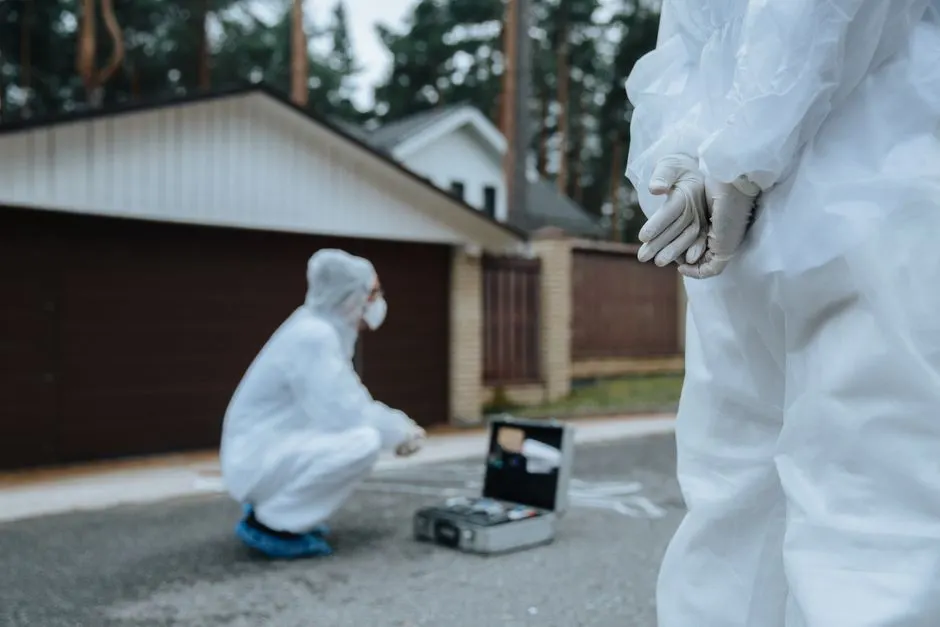
Moisture History Review
We record your leak, odor, repair, and ventilation history, including when symptoms change. You can point out the strongest odor or the first visible stain, helping us focus the inspection on the most likely moisture route.
Your investigation covers a symptom review, visual inspection of accessible areas, moisture and humidity checks, and a discussion of likely concealed pathways. We document relevant conditions and explain whether sampling or a limited opening could answer an unresolved question. Laboratory analysis, remediation, and repairs are separate work, but we identify when those steps make sense and how they connect to the findings.
We record your leak, odor, repair, and ventilation history, including when symptoms change. You can point out the strongest odor or the first visible stain, helping us focus the inspection on the most likely moisture route.
We examine relevant rooms and accessible building areas for staining, material changes, visible growth, and condensation. The inspection may include an attic, basement, crawl space, or HVAC area when the reported conditions point there.
We use moisture and temperature readings to compare suspect areas with nearby materials. Instruments help guide decisions; we explain the measurement context and do not present a single reading or thermal image as proof of mold.
You receive an explanation of observed conditions and practical next steps, such as correcting water intrusion, drying materials, or considering targeted sampling. We identify the limits of the inspection so you know which questions remain unanswered.
Hidden Mold Investigation Colorado Springs CO is a building assessment that locates concealed moisture and evaluates areas where mold may be growing without visible signs. We begin with your history of leaks, odors, staining, and repairs, then inspect adjoining rooms and likely pathways. A moisture meter and thermal imaging camera help identify damp or unusually cool areas; a borescope can look into selected cavities through a small access point. We document observations and explain whether sampling is warranted. Instruments guide the investigation, but no single reading or image proves mold is present.
Colorado Springs homes face dry air much of the year, yet roof or plumbing leaks, snowmelt, condensation, and poorly vented bathrooms can leave moisture trapped in building materials. Older basements, attic roof penetrations, and additions with different insulation details deserve close attention after water intrusion. Our team uses local knowledge across El Paso County to focus the inspection instead of opening walls at random. If you need to investigate musty odors for hidden mold in Colorado Springs, we trace likely moisture pathways and distinguish an active concern from old staining or ordinary dust.
Hidden Mold Investigation Colorado Springs CO follows a practical sequence from symptom review to documented findings. We ask what changed, inspect the likely moisture path, and use instruments to guide further checks. Most appointments take about 2 to 4 hours, depending on property size, access, and whether sampling is needed. You can walk the property with us and ask questions as we work.
Schedule
Call or book online — a real human picks up and confirms a 2-hour arrival window.
Diagnose
Licensed tech inspects on-site, then walks you through the cause and your options.
Fix
The job is completed to code and done right the first time — no shortcuts, no surprises.
Guarantee
Every job backed by a written workmanship warranty — and we stand behind it.
Moisture meter
We compare suspect material readings with nearby areas to help locate dampness. A reading indicates moisture conditions at the test point; it does not identify mold species or prove growth.
Hygrometer
This instrument records indoor relative humidity and temperature, giving context for condensation risk and occupant comfort. We interpret the reading alongside ventilation and building conditions.
FLIR thermal imaging camera
A FLIR camera displays surface temperature patterns that can guide closer checks for possible dampness, air leakage, or insulation differences. It cannot see mold through a wall or confirm mold presence.
Borescope
A borescope can inspect a selected cavity through an appropriate small access point. We use it when other evidence supports looking inside, not as a substitute for tracing the moisture source.
HEPA air sampling pump and spore trap cassette
When air sampling is justified, the pump draws a measured air volume through a spore trap cassette. We label the location and interpret results with the inspection findings rather than treating a sample as a complete diagnosis.
Tape-lift sampling kit
A tape-lift sample collects material from a suitable surface for laboratory examination. We select a specific location and explain what the result may clarify about the visible or suspected condition.
Moisture-path tracing
We start at the reported odor, stain, or leak and follow likely pathways through adjoining surfaces and accessible spaces. Readings are compared with nearby materials, and observations are recorded by location. This approach narrows the suspected area before any invasive access is considered.
ASTM D7338 assessment principles
ASTM D7338 Standard Guide for Assessment of Fungal Growth in Buildings provides a framework for evaluating building conditions and visible fungal growth. We use a building-focused approach that considers moisture, material condition, and the extent of accessible evidence rather than relying on a sample alone.
Targeted air or surface sampling
We choose sampling only when it addresses a clear question, such as whether airborne fungal structures differ between selected locations or what is present on a suspect surface. Collection materials are labeled by location and method. Results are interpreted alongside moisture conditions and inspection observations.
Thermal pattern confirmation
Thermal images help identify areas for follow-up, but temperature differences can have several causes. We compare the pattern with direct moisture readings and visible building details before recommending a cavity check. That confirmation step prevents an infrared image from being mistaken for a mold diagnosis.
01
What we do: We inspect the basement perimeter, accessible framing, and nearby utility areas for moisture and condensation clues. A hygrometer helps record indoor humidity, while surface readings show whether selected materials differ from dry comparison areas. We then explain whether drainage, ventilation, or a concealed material check should come next.
→ You get a focused explanation of the likely moisture route and a practical plan for correcting the condition before finishes or stored belongings are affected.
02
What we do: We follow the plumbing wall and floor edge, checking the leak location and adjacent materials. If readings or visible evidence support a cavity check, we discuss a targeted borescope inspection or limited opening. Sampling is considered only if it will clarify a specific mold question.
→ You learn whether the repair area is dry, which materials need attention, and what evidence supports the next repair or testing decision.
03
What we do: We inspect the stain and accessible attic area, review roof repair history, and compare moisture readings around the mark. Thermal imaging may help locate temperature differences, but direct observations and moisture checks guide our conclusion. We document conditions relevant to the buyer's decision.
→ The buyer receives a clearer distinction between an old repaired stain and signs that justify further investigation before proceeding.
04
What we do: We inspect the reported suite and nearby accessible areas, ask when the odor is strongest, and trace the shared wall and plumbing path. Targeted air or surface sampling may be recommended if it answers a defined question, with locations documented for follow-up.
→ Management gets a specific area to address and a documented basis for coordinating repairs, tenant communication, or further testing.
Colorado Springs buildings experience sharp temperature changes, dry indoor air during heating season, and periods of snowmelt or wind-driven rain. Those conditions can expose roof details, plumbing lines on exterior walls, and poorly ventilated attic spaces to recurring moisture. We also encounter basements and crawl spaces where condensation or seepage can create odor without an obvious puddle. A concealed mold inspection Colorado Springs property owners arrange starts with the specific building history: age, prior repairs, ventilation, and the location of the first symptom. We account for local construction differences, including older masonry and wood-frame homes as well as newer additions with separate insulation or roof assemblies. Our team checks accessible conditions first, then recommends targeted access only when evidence supports it. If you need a professional hidden mold assessment in Colorado Springs CO, we document the likely source, explain the limits of the inspection, and identify the next practical step. We serve El Paso County neighborhoods and can coordinate findings with your repair contractor or property manager.
Old Colorado City
Older homes can have layered repairs and mixed masonry or wood construction. We check how past plumbing or roof work meets adjoining materials when a musty odor persists.
Broadmoor
Larger homes often have multiple rooflines, finished basements, and separate mechanical areas. We trace the reported symptom across connected rooms instead of assuming the source is directly above it.
Briargate
Newer construction can still develop leaks around plumbing, windows, or roof penetrations. We compare affected areas with nearby materials and review the timing of any recent repair.
Downtown Colorado Springs
Mixed-use and older properties can have shared walls and varied ventilation. We document the affected suite or room carefully so follow-up work stays focused.
Freeze-thaw cycles stress roof edges and exposed plumbing routes
A small leak can wet sheathing or a wall cavity before a ceiling stain appears. We inspect the likely route and adjacent materials, especially when odor begins after a cold period or thaw.
Low winter humidity can conceal localized condensation
Dry air in the home does not rule out moisture at cold surfaces or poorly insulated corners. We assess the specific assembly and ventilation conditions instead of relying on a whole-house humidity reading.
Summer storms and snowmelt can reveal drainage problems
Water entering at a foundation or roof may travel before it becomes visible indoors. We look for patterns that connect exterior exposure, basement conditions, and the reported odor or staining.
A musty smell can come from damp material, a drain or ventilation issue, or a concealed mold source. Hidden mold investigation connects the symptom to its likely location so you can act on evidence rather than repeatedly cleaning the same surface. We focus on the concern you report and the moisture conditions that could sustain growth.
Problem
If damp material remains behind a finish, surface cleaning will not address the source. Continued moisture can damage drywall, trim, or flooring and keep the odor returning.
Our Fix
We trace where the odor is strongest and inspect nearby plumbing, wall edges, and adjoining rooms. Moisture readings and building history help us identify a likely route. If the evidence points behind a finish, we explain whether a borescope or small access opening is the next useful check.
Problem
Water can travel beyond the visible stain and remain in insulation or wall cavities. Delayed drying can increase material damage and complicate repairs.
Our Fix
We check the repair area and surrounding surfaces for moisture patterns, then compare readings across affected and unaffected material. Our report separates residual staining from current dampness where the inspection can establish that distinction, helping you target drying or further evaluation.
Problem
A smell that follows HVAC operation may spread through occupied rooms, even when its source is in a mechanical area or nearby damp material.
Our Fix
We note when the odor occurs, inspect accessible system areas, and consider moisture around condensate components and nearby building materials. If the evidence suggests a concealed source, we identify the location for follow-up rather than assuming the ductwork itself is contaminated.
Problem
A cleanup can address visible growth while leaving unanswered questions about moisture, adjacent materials, or the original leak source.
Our Fix
We review the affected area and available repair history, then inspect accessible boundaries and moisture conditions. If verification is appropriate, we explain which sampling or visual checks can support the decision and what they cannot guarantee beyond the inspected area.

A focused investigation helps you understand what is happening before you authorize demolition or cleanup. We connect visible clues, moisture readings, and any sampling results to the room and material where they were collected. You get a concise explanation of what we found, what remains uncertain, and which next step is proportionate to the evidence.
Targeted Inspection Areas
We follow odor, staining, and leak history toward likely concealed growth instead of treating every room as equally suspect. A pinless moisture meter can compare a suspect section with nearby dry material, helping identify where closer examination belongs. That focused approach limits unnecessary disturbance and gives you a useful basis for deciding whether a small access opening is justified.
Evidence You Can Use
Our notes identify the observed condition, location, and measurement context, so a contractor or property manager can understand the findings. When testing is appropriate, we explain what a sample can and cannot establish before collecting it. Colorado Springs hidden mold investigation findings can help you prioritize repairs, request a focused remediation plan, or document a concern during a property transaction.
Less Guesswork After Leaks
A repaired pipe does not automatically mean the wall cavity dried. We check the nearby baseboard, flooring edge, and adjoining surfaces for moisture patterns that point to remaining dampness. A concealed mold inspection after a leak Colorado Springs CO property owners request can help separate a dry repair from a problem that still needs attention.
A Defined Next Step
You leave knowing whether the next move is drying, a limited opening, targeted sampling, or specialist remediation. We explain the reason for that recommendation in plain language and connect it to the evidence collected. That keeps the response proportional: no broad demolition based only on an odor, and no false assurance based on one clean-looking surface.
Customer feedback Not stated
A homeowner in Colorado Springs contacted us after a plumbing repair left a persistent odor. The inspection focused on the wall beside the repair, compared moisture readings, and explained why a limited follow-up was more useful than testing the entire house. The homeowner left with a clear plan for drying and repair.
Customer feedback Not stated
A property owner in Broadmoor wanted to know whether an attic stain was still active. We inspected accessible sheathing, checked the ceiling below, and explained the limits of the thermal image. The findings helped the owner monitor the repaired roof area without authorizing unnecessary interior demolition.
Customer feedback Not stated
A manager near Downtown Colorado Springs reported an odor in one office after work in an adjoining suite. We documented the affected area and recommended targeted follow-up rather than broad sampling. The manager used the findings to coordinate the repair conversation and give the tenant a straightforward update.
Our team approaches concealed mold as a moisture investigation first and a sampling decision second. That distinction matters: mold growth needs a moisture source, and a sample without context can create more confusion than clarity. We apply training in building moisture and microbial assessment, including IICRC Applied Microbial Remediation Technician (AMRT) and IICRC Water Damage Restoration Technician (WRT) principles where relevant. We also recognize the role of ASTM D7338 in assessing fungal growth in buildings. We explain the limits of each instrument and never treat a thermal image as a mold diagnosis.
Real answers to the questions we hear most often from local homeowners and property managers.
A general mold inspection surveys visible conditions and moisture concerns throughout your property. For Colorado Springs customers with a persistent odor or a past leak, we can focus that broader survey on concealed areas and identify where a closer investigation is warranted.
View Mold InspectionResidential inspection considers the rooms and systems your household uses every day, from bathrooms to basements. We connect a hidden mold concern to the home's leak history and material conditions, then help you decide whether targeted testing or further access is appropriate.
View Residential Mold InspectionCommercial properties can have multiple suites, mechanical spaces, and maintenance histories. We document suspected moisture areas and relate them to occupancy concerns and building operation, giving managers a clearer basis for coordinating repairs and any follow-up concealed-area checks.
View Commercial Mold InspectionTesting adds laboratory analysis when a sample can answer a defined question about air or a surface. During a hidden mold investigation, we select the location and method based on evidence rather than collecting samples indiscriminately.
View Mold Testing and SamplingAir sampling can help assess airborne fungal structures in a selected room and compare results with the inspection context. It does not identify every concealed source by itself, so we pair results with moisture observations and a careful building assessment.
View Air Quality Testing for MoldSurface sampling can characterize material that is visibly suspect or located near a moisture concern. We use a suitable collection method, label the exact location, and explain how the result relates to the larger hidden mold investigation.
View Surface Mold SamplingCall Colorado Springs Mold Testing at +1 866-896-8166 to talk through a leak, musty odor, visible growth, or post-remediation question. Our office hours are Monday through Friday, 8:00 a.m. to 6:00 p.m.; leave a message outside those hours and we will respond during the next business period. We serve Colorado Springs, CO, including ZIP codes 80909, 80904, and 80906.
Phone
+18668968166Address
Colorado Springs
Hours
Mon–Fri: 7AM – 7PM
Sat: 8AM – 4PM
Sun: Emergency Only
24/7 Emergency Available