Logo
Get Estimate

Residential Mold Inspection Colorado Springs CO

Find moisture sources and make a clear plan


Residential Mold Inspection Colorado Springs CO helps homeowners identify visible growth, moisture problems, and conditions that can support hidden mold. Our home mold inspection Colorado Springs service is for people dealing with musty odors, past leaks, damp rooms, or a home purchase that needs a closer look. We inspect the affected areas, explain what the readings mean, and recommend testing only when it helps answer a specific question.

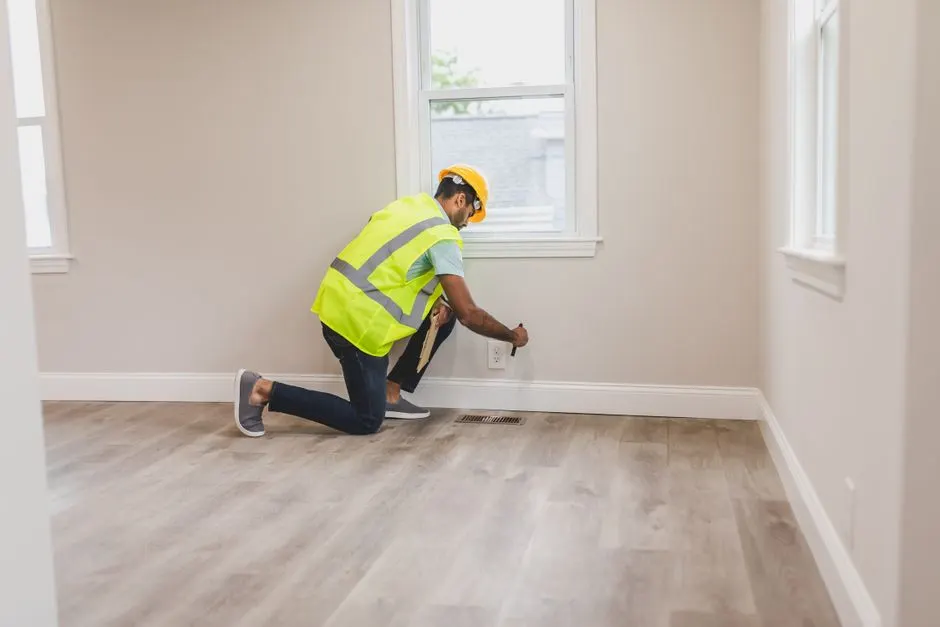
A home inspector in high visibility vest examines an electrical outlet in a modern room.
Licensed Licensed & Bonded
Fully Insured Insured & Bonded
24/7 Emergency Same-Day Response
Warranty Backed Workmanship Guaranteed in Colorado Springs

What's Included In A Home Inspection

Our residential inspection covers the reported concern, accessible related areas, visible conditions, and moisture measurements. We document findings and explain the likely source and next step. Laboratory sampling is added when it answers a defined question; repair, demolition, and remediation are separate work performed by the appropriate contractor. We agree on the inspection focus before starting.

Visual Building Review

We inspect reported rooms and accessible areas connected to the concern, looking for visible growth, water staining, deterioration, and conditions that support dampness. We note room locations and material types so you can connect each observation to the building rather than receiving a vague general impression.

Moisture And Humidity Readings

We take comparative readings at suspect materials and nearby reference points, then measure indoor humidity where relevant. The readings help locate dampness and guide further checks; they are not a standalone mold test. You receive an explanation of what each measurement indicates in the inspected area.

Targeted Sampling When Useful

If a laboratory result will help resolve the inspection question, we collect a suitable air or surface sample and document its location. Sample count and type depend on the concern. We explain how to interpret the result alongside visible conditions and moisture evidence.

Findings And Next Steps

We summarize the affected locations, moisture clues, and any sample results in a practical report. You get prioritized recommendations such as correcting a leak, improving drying, arranging further access, or consulting a remediation contractor. The report does not replace repair work or a building contractor's evaluation.

Residential Mold Inspection Colorado Springs CO


Residential Mold Inspection Colorado Springs CO is a property inspection that checks for visible mold, moisture intrusion, and building conditions that can support fungal growth. We look at the reported area and connected spaces, including plumbing fixtures, windows, exterior walls, attics, basements, and HVAC components when relevant. A moisture meter helps compare damp and dry materials, while a thermal imaging camera can reveal temperature patterns that warrant closer investigation. If sampling is appropriate, we identify the sample location and purpose before collecting it; testing is not a substitute for finding the moisture source.

Colorado Springs homes face sharp temperature changes, dry indoor air during heating season, snowmelt, wind-driven rain, and occasional plumbing leaks. Those conditions can leave condensation or damp building materials behind cabinets, around windows, or below roof penetrations. We check the home in context rather than treating every dark spot as mold. If you need to check a Colorado Springs home for hidden mold, we trace signs of water intrusion and compare nearby materials, then explain whether monitoring, repairs, or laboratory analysis is the practical next step.

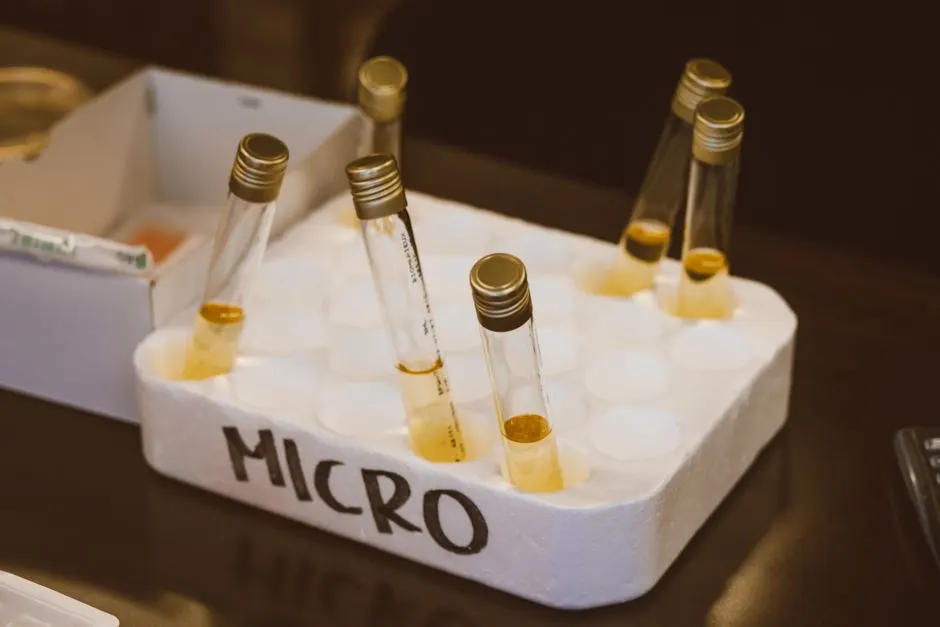
What To Expect During Inspection

Residential mold inspection in Colorado Springs follows a straightforward sequence: understand the concern, examine the building, measure moisture, and report the findings. Most appointments take about 2 to 4 hours for an average-sized home; larger properties or multiple affected areas require more time. We explain each step as we work.

01

Schedule

Call or book online — a real human picks up and confirms a 2-hour arrival window.

02

Diagnose

Licensed tech inspects on-site, then walks you through the cause and your options.

03

Fix

The job is completed to code and done right the first time — no shortcuts, no surprises.

04

Guarantee

Every job backed by a written workmanship warranty — and we stand behind it.

Inspection Tools And Methods

Tools & Equipment

Moisture meter

We use a moisture meter to compare suspect materials with nearby reference areas and locate readings that warrant closer inspection. The number is interpreted by material and context, not as a universal mold threshold.

Pinless moisture meter

A pinless moisture meter scans suitable surfaces without leaving probe marks. It helps us map relative moisture patterns across a wall or floor and decide where a direct measurement or further access is useful.

Hygrometer

A hygrometer records indoor relative humidity and temperature during the visit. Those readings help explain condensation conditions and are considered alongside visible dampness, ventilation, and the home's recent heating or water history.

FLIR thermal imaging camera

A FLIR thermal imaging camera displays temperature differences that may point to moisture, air movement, or insulation changes. We confirm a suspicious pattern with direct inspection or moisture measurement because an infrared image cannot identify mold.

Borescope

A borescope can view a concealed cavity through an existing opening, such as a service access point, when the opening is suitable. It helps assess hidden areas with less disruption, but it does not replace access when the view is blocked.

HEPA air sampling pump

When airborne sampling is warranted, a HEPA air sampling pump draws a measured air volume through a spore trap cassette. We record the sample location and conditions so laboratory analysis can be interpreted against the inspection.

Methods & Standards

ASTM D7338 assessment approach

We use the principles of ASTM D7338 Standard Guide for Assessment of Fungal Growth in Buildings to organize visual observations, moisture clues, and building context. The method supports a systematic assessment; it does not turn one instrument reading into a diagnosis. Findings are tied to the area inspected and the evidence available.

Comparative moisture mapping

We measure suspect materials and compare them with nearby areas of similar material where conditions appear dry. This helps identify a localized moisture pattern and guides where to inspect next. We record the locations and explain that readings vary with material composition, depth, and environmental conditions.

Targeted air and surface sampling

We select air or surface sampling only when it addresses a defined concern. Air samples use a documented location and collection method; surface sampling targets a specific mark or material. Results are interpreted alongside visual inspection and moisture evidence rather than treated as a standalone measure of building condition.

When To Book An Inspection

01

A winter roof leak leaves a ceiling mark after snow and wind-driven weather, but the surface feels dry.

What we do: We inspect the ceiling and accessible attic area, looking for water tracks, damp insulation, and related roof penetrations. Moisture readings help compare the stained area with nearby material. We document what is accessible and explain whether a roofer should investigate before the ceiling is patched or painted.

→ You get a record of the affected area and a practical repair direction before cosmetic work conceals the evidence.

02

A plumbing leak under a kitchen sink was repaired, but the cabinet still smells musty several days later.

What we do: We check the cabinet base, adjacent wall, flooring edge, and nearby plumbing connections for remaining moisture or visible damage. If needed, we compare readings in the affected material and a dry reference area. We explain whether the cabinet needs drying, repair, or further assessment.

→ You know whether the odor is linked to remaining damp materials and what should happen before replacing the cabinet.

03

A homebuyer finds old staining in a basement corner during a Colorado Springs property walkthrough.

What we do: We inspect the stain, nearby wall and floor surfaces, and accessible exterior-facing areas for moisture patterns. We review the known history you share and document any readings or conditions that merit follow-up. If sampling is useful, we define its purpose before collection.

→ You receive focused findings to discuss with the seller and your real estate or repair professional before making a decision.

04

A homeowner notices condensation on windows and a musty smell after keeping the home closed during a cold spell.

What we do: We measure indoor humidity, check window and exterior-wall conditions, and look for persistent surface dampness or visible growth. We distinguish short-term condensation from a pattern affecting building materials, then explain practical ventilation or moisture-control steps based on the observed conditions.

→ You understand whether the issue is limited to condensation or whether damp materials need further inspection and correction.

How Inspections Work In Colorado Springs

Residential inspections in Colorado Springs account for elevation, rapid weather shifts, heating-season dryness, and moisture introduced by snow, rain, or plumbing failures. A cold exterior wall can develop condensation when indoor air is humid, while a roof penetration can admit water during wind-driven weather and leave a stain that appears weeks later. We check the reported area and nearby building components rather than assuming the visible spot marks the full extent. Housing across the city ranges from older homes with settled finishes to newer construction with tighter assemblies and different ventilation patterns. In either case, a home mold inspection Colorado Springs homeowners request should consider the building's water history, insulation and airflow clues, and access to attics or lower levels. Our team serves El Paso County and records conditions in the actual rooms inspected. For a mold inspector for a house in Colorado Springs CO, our process begins with the concern you report, then uses measurements and targeted sampling only as needed.

Neighborhoods We Serve

  • Old Colorado City

    Older homes can have layered repairs and varied wall assemblies. We inspect the reported area alongside accessible adjoining spaces to separate an old stain from signs of continuing moisture.

  • Broadmoor

    Large homes may have multiple rooflines, bathrooms, and mechanical areas. We map the concern by room and include relevant accessible spaces so the findings stay tied to the property's layout.

  • Ivywild

    A plumbing or basement concern can affect finishes beyond the first visible mark. We compare readings at the source area and nearby materials before recommending further investigation.

  • Briargate

    Homes with tight interiors still need balanced ventilation and careful moisture control. We check reported condensation or odor concerns against humidity, window conditions, and adjacent materials.

Local Conditions We Plan For

  • Cold-weather window condensation and damp exterior-wall surfaces

    Condensation can repeatedly wet sills, trim, and nearby finishes when indoor humidity meets a cold surface. We measure conditions during the visit and look for material changes that suggest the problem extends beyond a temporary film of water.

  • Snowmelt or wind-driven rain entering roof and window details

    Water can travel from the entry point before appearing as an interior stain, making the visible mark an incomplete guide. We inspect accessible connected areas and document patterns that can help a roofer or repair contractor trace the path.

  • Plumbing leaks concealed below cabinets or behind finished walls

    A small supply or drain leak can keep a limited area damp even after the visible drip stops. We compare suspect readings, examine accessible edges, and explain when a borescope or further access is needed to see concealed materials.

Tracing A Ceiling Leak

Before

A homeowner in Colorado Springs noticed a brown ceiling mark after a roof leak. The surface had dried, but a musty odor persisted in the room. Without checking the attic or comparing nearby materials, the homeowner could not tell whether the stain was old or whether damp insulation remained above the ceiling.

After

We inspected the ceiling and accessible attic area, documented the water track, and compared moisture readings at the stained area and nearby material. The report identified the roof detail needing contractor follow-up and recorded that the measured ceiling surface was dry during the visit. The homeowner had a specific repair location before arranging repainting.

Maintenance: After the roof repair, the homeowner watched the ceiling through the next rainfall and checked the area for fresh staining or odor. Any new mark would prompt a follow-up moisture check before the ceiling was refinished.

Before

A slow kitchen leak had been repaired, but the cabinet base remained swollen and smelled damp. The homeowner was unsure whether the odor came from wet wood, a wall cavity, or an old spill. Cleaning the surface did not answer whether adjacent materials were still affected.

After

We inspected the cabinet base, wall edge, and nearby flooring, then compared moisture readings across the affected and reference areas. The findings showed where the remaining concern was concentrated and supported a repair plan focused on drying and replacing damaged material rather than removing unrelated cabinetry.

Maintenance: The homeowner kept the cabinet clear during drying and checked the plumbing connections for new drips. A dry cabinet and stable readings after repair helped confirm that the original moisture source had been addressed.

Before

Before purchasing a home, a buyer saw an old stain in a basement corner and noticed a faint odor. The wall looked dry, but the seller had limited information about the stain's history. The buyer needed to know whether the area showed current moisture clues or only past damage.

After

We inspected the accessible wall and floor edge, recorded comparative readings, and documented the visible condition. The report distinguished the dry readings observed during the visit from the unresolved history of the stain and outlined the exact questions the buyer could raise about prior water entry and repair.

Maintenance: The buyer retained the report with the transaction records and planned to keep stored items away from the wall for the first few months. Periodic checks after heavy weather would help spot any change early.

Resolve Common Home Mold Concerns

A stain or odor rarely tells the whole story. Our inspection connects the symptom to water movement, humidity, and the materials involved, so you can decide what to repair and what needs further investigation. We focus on actionable findings, not alarm.

Problem

A persistent musty odor with no visible source

The odor can continue if damp material remains concealed in a cabinet void, wall edge, attic, or lower-level space, while repainting only hides the clue.

Our Fix

We trace the odor area, inspect accessible connected spaces, and compare moisture readings across suspect and dry materials. If evidence points behind a surface, we explain options for limited access or targeted sampling. You receive a location-based finding and a next step aimed at the moisture source, not just the smell.

Problem

Recurring bathroom or kitchen staining after routine cleaning

Repeated surface staining can signal a persistent plumbing leak, failed seal, or condensation pattern that continues to wet finishes and nearby materials.

Our Fix

We inspect around fixtures, cabinets, wall edges, and ventilation points, then measure suspect materials. Our findings help distinguish an active moisture problem from old staining and direct you toward plumbing, sealing, or ventilation repairs. If visible growth is present, we document its location and explain whether sampling would add useful information.

Problem

Uncertainty about a damp basement after water entry

If stored items or building materials stay damp, odors and deterioration can develop, and later repairs may cover conditions that should have been documented.

Our Fix

We check accessible basement or crawl-space areas for water marks, damp materials, and humidity conditions. We record where readings differ and look for likely entry points, including plumbing and foundation edges. That assessment helps you prioritize drying and repairs before replacing flooring, trim, or stored belongings.

Problem

Concern about hidden growth before buying a home

A recent coat of paint or dry-looking stain does not establish whether the earlier leak was corrected or whether concealed materials remain affected.

Our Fix

We focus on the reported history and accessible areas around the concern, documenting material condition, readings, and any evidence of repair. A residential mold assessment before buying a Colorado Springs home gives you a focused record and helps identify questions that need seller documentation, repair evaluation, or further investigation.

Clear Findings, Practical Next Steps

Clear Findings, Practical Next Steps

A good inspection turns a worrying smell or stain into an understandable set of findings. We document where moisture appears, what materials are affected, and which concerns need attention first. You leave knowing whether the problem points to an active leak, old staining, visible growth, or a question that needs targeted sampling.

  • Find Moisture Sources

    We check more than the visible mark. Readings at the affected surface and nearby materials help distinguish a localized wet area from a broader moisture pattern. If a plumbing leak, roof entry, or condensation issue is evident, we show you where the investigation points so repairs can address the cause instead of covering the symptom.

  • Target Testing Carefully

    Sampling is selected to answer a defined question, such as whether airborne particles differ between a room and an outdoor reference or whether a suspect surface contains fungal material. A home mold check by a mold inspector Colorado Springs residents can use should explain why each sample is collected, not simply produce a lab result without context.

  • Document Affected Areas

    Photographs, room notes, moisture readings, and sampling locations create a useful record for homeowners, property managers, or repair contractors. We connect each observation to its location and explain what the finding means. That record also gives you a practical baseline if you arrange repairs or later need to evaluate the same area again.

  • Make Safer Decisions

    When you are planning repairs, buying a property, or checking work after cleanup, clear findings help you choose the right next step. We distinguish inspection observations from laboratory results and explain when a specialist or remediation contractor should be involved. You can prioritize the leak or damp material before cosmetic work hides the evidence.

Standards And Credentials

Licensed & Certified

  • IICRC Water Damage Restoration Technician — issued by Institute of Inspection, Cleaning and Restoration Certification
  • IICRC Applied Microbial Remediation Technician — issued by Institute of Inspection, Cleaning and Restoration Certification
  • ASTM D7338 Standard Guide for Assessment of Fungal Growth in Buildings — issued by ASTM International
  • AIHA Laboratory Accreditation Programs — issued by American Industrial Hygiene Association

Verified Reviews

Customer feedback Not stated

A homeowner in Downtown Colorado Springs described a clear inspection after a plumbing leak. The visit included moisture readings around the affected cabinet and an explanation of which areas needed repair. The practical location notes helped the homeowner coordinate the next step without treating every nearby surface as damaged.

Customer feedback Not stated

A homebuyer in Briargate said the inspection report separated the visible basement stain from the readings taken during the visit. The findings helped frame follow-up questions about prior water entry and gave the buyer a record of the accessible areas checked before closing.

Customer feedback Not stated

A Colorado Springs homeowner requested help with a persistent attic odor. The inspection checked accessible roof and attic areas, documented moisture clues, and explained what needed a roofer's attention. The homeowner valued having a repair direction before replacing the ceiling finish.

Field Knowledge And Training

Our Colorado Springs residential mold inspector approaches each home as a building system: water entry, humidity, airflow, materials, and occupant concerns all matter. We use field measurements to guide inspection and choose sampling based on the question being investigated. Training relevant to microbial assessment and water damage helps us communicate findings in plain language and distinguish a moisture problem from a laboratory result. We do not claim a specific number of years or inspections; our focus is careful documentation, sound methods, and useful recommendations for your property.

  • Inspection methods draw on ASTM D7338, a standard guide for assessing fungal growth in buildings.
  • When airborne sampling is appropriate, we use a defined location plan and interpret results alongside site conditions.
  • Moisture readings are compared across affected and reference materials rather than treated as a universal pass-or-fail number.
  • Our team applies IICRC Water Damage Restoration Technician training concepts when tracing water-related building conditions.
  • Reports separate visible observations, instrument readings, and laboratory findings so you can tell what each result supports.
Get Started Today
Field Knowledge And Training

Residential Mold Inspection FAQs

Real answers to the questions we hear most often from local homeowners and property managers.

What does a residential mold inspection include in Colorado Springs?
A residential mold inspection includes a visual review, moisture measurements, notes on affected materials, and targeted sampling when it answers a specific question. We inspect reported rooms and relevant connected areas, then explain likely moisture sources and next steps. An average-sized home visit takes about 2 to 4 hours. Laboratory analysis is separate from field observations and is used when sample results will add meaningful information.
When should I schedule a home mold inspection?
Schedule an inspection promptly after a leak, recurring condensation, persistent musty odor, visible growth, or water damage that has not dried within 24 to 48 hours. We also inspect before a purchase when there is a specific moisture concern, and after remediation when you need to evaluate the completed work. A residential mold assessment before buying a Colorado Springs home can document areas that deserve follow-up before closing.
How much does a house mold inspection cost in Colorado Springs CO?
A visual inspection commonly costs $250 to $600, while inspections with laboratory sampling often range from $400 to $900. The final price depends on home size, access, number of affected areas, and sample count; typical 2026 pricing in this area falls within those ranges. We explain the price before work begins. A house mold assessment Colorado Springs CO homeowners request should be priced around the actual investigation, not an automatic bundle of samples.
Can a home mold inspector find mold behind walls?
A home mold inspector can identify clues behind walls, but confirming hidden growth usually requires opening the assembly or targeted sampling. We look for moisture patterns, staining, odors, and temperature differences, then use a borescope through an existing opening when suitable. A thermal image alone cannot prove mold is present. If wall access is needed, we explain the least disruptive way to investigate and what repair trade may be required.

Related Home Inspection Services

Mold Inspection

A broader mold inspection helps investigate concerns that extend beyond one room or include multiple building areas. For Colorado Springs homeowners, we connect visible conditions, moisture readings, and the history of leaks so the inspection addresses how the affected spaces relate.

View Mold Inspection

Commercial Mold Inspection

Commercial inspections address larger or more complex properties, including offices and shared buildings, where occupancy and building systems affect the investigation. If a residential concern is part of a mixed-use property, we can distinguish the home inspection needs from common-area questions.

View Commercial Mold Inspection

Mold Testing and Sampling

Targeted sampling can support a residential inspection when visual evidence alone does not answer a defined question. We select air or surface sampling based on the suspected source, record locations, and explain laboratory findings alongside moisture and building observations.

View Mold Testing and Sampling

Air Quality Testing for Mold

Air quality testing compares airborne fungal structures in selected indoor locations with appropriate reference conditions. It can help investigate odor or occupant concerns, but it does not replace inspection of leaks, damp materials, or visible growth in a Colorado Springs home.

View Air Quality Testing for Mold

Surface Mold Sampling

Surface sampling helps identify material collected from a particular spot, such as a stain or visible growth. We use a sterile swab or tape-lift method when the result will guide a decision, then relate the laboratory identification to the home's moisture history.

View Surface Mold Sampling

Indoor Air Quality Assessment

An indoor air quality assessment looks beyond mold alone and may review humidity, ventilation, and other conditions affecting indoor comfort. It complements a residential inspection when you need a wider view of a room's environment and a clearer plan for investigation.

View Indoor Air Quality Assessment

Schedule Residential Mold Inspection Colorado Springs CO

A musty odor, leak stain, or damp room deserves a direct answer. We inspect the affected area, track moisture clues, and explain whether sampling will help. Call Colorado Springs Mold Testing at +1 866-896-8166 to arrange your inspection and get clear next steps.

Call Today Book Inspection

Contact Our Inspection Team

Call Colorado Springs Mold Testing at +1 866-896-8166 to talk through a leak, musty odor, visible growth, or post-remediation question. Our office hours are Monday through Friday, 8:00 a.m. to 6:00 p.m.; leave a message outside those hours and we will respond during the next business period. We serve Colorado Springs, CO, including ZIP codes 80909, 80904, and 80906.

Or call us right now at +18668968166 — we answer.

Colorado Springs Mold Testing


  • Phone

    +18668968166
  • Address

    Colorado Springs

  • Hours

    Mon–Fri: 7AM – 7PM
    Sat: 8AM – 4PM
    Sun: Emergency Only
    24/7 Emergency Available

Call +18668968166 Get Quote
Call Quote