Logo
Get Estimate

Surface Mold Sampling Colorado Springs CO for Clear Answers

Identify visible growth and choose the right next step


Surface Mold Sampling Colorado Springs CO helps you identify growth on walls, ceilings, flooring, and other materials without guessing from appearance alone. We collect targeted samples for homeowners, property managers, and buyers dealing with visible mold, musty odors, or post-remediation concerns. Our surface mold testing Colorado Springs service pairs careful collection with laboratory analysis so you can understand what was sampled and what the findings mean for your property.

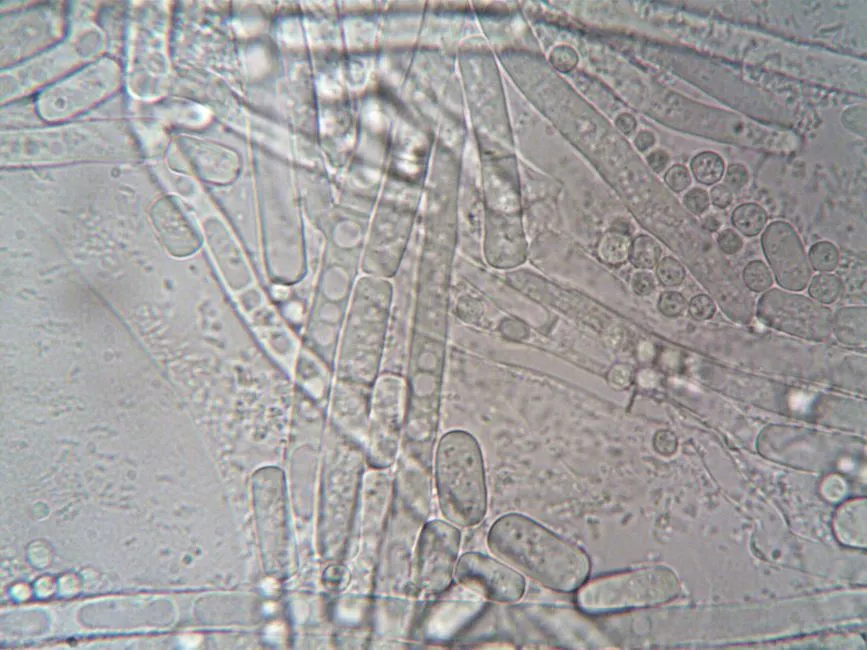
Close-up image of fungal hyphae under microscope showcasing biological structures.
Licensed Licensed & Bonded
Fully Insured Insured & Bonded
24/7 Emergency Same-Day Response
Warranty Backed Workmanship Guaranteed in Colorado Springs

What Surface Mold Sampling Includes

Surface Mold Sampling Colorado Springs CO covers a targeted site review, selection of a suitable collection method, sample labeling, laboratory submission, and explanation of the result. We relate the finding to the sampled material and nearby conditions. If your concern involves hidden mold, airborne particles, or an active leak, those questions call for additional inspection or testing rather than assumptions from one surface sample.

Sample Location Review

We inspect the selected patch and its immediate surroundings before collecting. You can show us staining, visible growth, or a location tied to a recent leak. We document the material and exact point so the laboratory result stays connected to what you asked us to examine.

Suitable Collection Method

We select a sterile swab or tape-lift sampling kit according to surface texture and sample condition. Smooth or textured materials may call for different collection approaches. Disposable gloves and careful handling help prevent cross-contact between the sampled area and other surfaces.

Sample Documentation

Each collection is labeled with a unique identifier and location notes. We record the sample type and relevant visible conditions, so you can match the report to the correct wall, ceiling, or material without relying on memory after the visit.

Laboratory Result Review

The collected material is submitted for laboratory analysis, and we walk you through the findings when available. We explain what was identified in that sample, what the report cannot establish about other parts of the property, and whether moisture assessment or another method fits your concern.

Surface Mold Sampling Colorado Springs CO


Surface Mold Sampling Colorado Springs CO is a targeted building-material assessment that collects visible residue for laboratory identification when growth needs confirmation. We inspect the affected spot, document its condition and location, then use a sterile swab or tape-lift sampling kit suited to the surface. The sample is sealed, labeled, and sent for analysis; results can help distinguish fungal growth from ordinary staining, but they do not by themselves locate hidden moisture or determine the full extent of contamination. You receive findings tied to the sampled area, not a guess based on color.

Colorado Springs homes face dry air much of the year, yet roof or plumbing leaks, condensation, and sudden water intrusion can leave damp pockets behind. Winter heating can also create temperature differences around windows, exterior walls, and poorly insulated areas. Colorado Springs mold swab testing is useful when a visible patch needs identification, especially after a leak or cleanup. If you need to collect a surface mold sample after water damage Colorado Springs, we first check whether the material is still suitable for sampling and whether moisture mapping should guide the collection.

What to Expect During Sampling

Surface Mold Sampling Colorado Springs CO follows a simple sequence: inspect, select, collect, submit, and explain. Most on-site sampling visits take about 1 to 2 hours, depending on access and the number of locations. We protect the immediate work area, label each sample, and keep your questions answered as we go.

01

Schedule

Call or book online — a real human picks up and confirms a 2-hour arrival window.

02

Diagnose

Licensed tech inspects on-site, then walks you through the cause and your options.

03

Fix

The job is completed to code and done right the first time — no shortcuts, no surprises.

04

Guarantee

Every job backed by a written workmanship warranty — and we stand behind it.

Sampling Tools and Methods

Tools & Equipment

Surface sampling swab

A sterile swab collects material from a defined surface, including textured spots where a tape lift may not adhere well. We label the sample immediately and record the exact collection location.

Tape-lift sampling kit

A tape-lift sampling kit collects particles from a selected surface onto a prepared slide. It is useful on suitable, relatively stable materials where visible residue can be lifted without disturbing the surrounding area.

Protimeter moisture meter

A Protimeter moisture meter checks relative moisture conditions in accessible building materials near the sample location. It helps us assess context; it does not identify mold or replace laboratory analysis.

Hygrometer

A hygrometer records indoor relative humidity during the visit. That reading helps explain whether elevated indoor humidity may be contributing to condensation or surface dampness near the sampled area.

FLIR thermal imaging camera

A FLIR thermal imaging camera shows temperature patterns that can guide closer inspection around suspected water intrusion. Thermal patterns are not mold identification, so we use them as a screening clue alongside direct observation and moisture checks.

Methods & Standards

Targeted surface collection

We select the point that best represents the visible concern and match the swab or tape-lift method to the material. The collection is labeled at the site, protected from cross-contact, and submitted for laboratory examination. Location notes are essential: the result applies to the collected sample, not automatically to nearby rooms.

Moisture-context assessment

We check nearby materials and room conditions before interpreting a surface finding. Moisture readings, humidity, visible water marks, and the history of leaks help distinguish a localized stain from a condition that may still be active. This context supports sound next steps but does not replace the lab's identification.

Building observation under ASTM D7338

ASTM D7338 Standard Guide for Assessment of Fungal Growth in Buildings informs a structured look at visible conditions and building context. We document where growth appears, what material is affected, and possible moisture sources. The guide supports assessment decisions; it is not a certification or a substitute for laboratory testing.

When Surface Sampling Helps

01

A plumbing leak beneath a Colorado Springs kitchen sink left a patch on the cabinet base.

What we do: We inspect the cabinet material and nearby wall, check for residual moisture, and collect a sample from the affected surface if it is suitable. The collection gives you laboratory information about that material while the moisture check helps determine whether the leak's effects remain active.

→ You learn whether fungal structures were found in the sampled area and whether moisture conditions call for further repair or monitoring.

02

A winter condensation mark keeps returning around a bedroom window in an older Westside home.

What we do: We examine the window area and surrounding finish, document the visible mark, and assess nearby surface dampness. If the material supports collection, we use a swab or tape lift and relate the report to the recurring condensation pattern rather than treating the sample as a whole-room result.

→ You get a result tied to the exact spot and a clearer basis for addressing condensation, insulation, or any confirmed growth.

03

A property manager needs to check a ceiling patch after a roof leak in Downtown Colorado Springs.

What we do: We review the repair history, inspect the ceiling material, and collect from a representative location when appropriate. Sample identification and location notes make the result useful for the property's maintenance record and help separate a residual stain from a current moisture issue.

→ You receive documented findings for the sampled ceiling area and know whether the next step is moisture follow-up, cleanup, or additional assessment.

04

A homeowner wants a sample after a contractor cleaned visible growth in a basement.

What we do: We inspect the cleaned surface and check for moisture clues before selecting a collection point. A surface sample can help assess the material at that location, while the broader post-remediation question may require a defined verification plan and other observations.

→ You get a focused laboratory result and a practical explanation of whether it answers your concern or whether verification should include more than one method.

Surface Sampling Across Colorado Springs

Surface mold testing Colorado Springs is shaped by the property as much as the sample. Older homes near Old Colorado City and Downtown can have plaster, masonry, and remodeled sections that respond differently to leaks; newer homes may show condensation around windows or dampness under sinks. Winter heating and rapid temperature changes can expose cold surfaces, while summer storms can reveal roof or drainage leaks. We inspect the specific material and record moisture context before choosing a collection method. For a tape sample mold testing for a Colorado Springs property, we confirm that the surface can be sampled cleanly and that the collection addresses your actual question. Colorado Springs Mold Testing serves El Paso County, including residential and commercial properties, and documents each sample location so you can connect laboratory findings to the affected room. We do not treat a single swab as proof about an entire building.

Neighborhoods We Serve

  • Old Colorado City

    Older homes may combine plaster, masonry, and later drywall repairs. We identify the material before selecting a swab or tape lift so collection suits the surface.

  • Broadmoor

    Large homes can have separate wings, lower-level rooms, and complex plumbing runs. We label each sampled location clearly when more than one area needs assessment.

  • Downtown Colorado Springs

    Mixed-use and older properties may have prior repairs or roof-related staining. We connect a sample to the documented ceiling or wall location and its moisture history.

  • Briargate

    Window condensation and plumbing leaks can create localized marks in finished rooms. We check the nearby surface condition before collecting from a specific patch.

Local Conditions We Plan For

  • Winter condensation forms on cold window edges and exterior walls.

    A damp edge can create surface discoloration that looks concerning but needs context. We check the affected material and nearby humidity, then collect only when a sample can answer the question you have.

  • Roof or plumbing leaks leave localized dampness after storms or repairs.

    A repaired source does not immediately establish whether a stained finish contains fungal material. We document the patch and adjacent moisture conditions so the sample result can be considered alongside the repair history.

  • Basements and crawl spaces retain moisture after seepage or drainage issues.

    Restricted access and porous materials can affect collection choices. We identify an accessible representative surface, note site conditions, and explain when further moisture investigation is needed before a surface result can guide repairs.

Bathroom Wall After a Leak

Before

A homeowner found a 12-inch discolored patch beside a shower after a supply-line leak. The plumber repaired the line, but the wall remained marked and the family could not tell whether the stain was old residue or fungal growth. They wanted a targeted answer before repainting or removing drywall.

After

We checked the wall and nearby baseboard, recorded the repaired leak history, and collected one sample from the patch. The laboratory report identified fungal structures in the submitted material. The homeowner then had a specific finding for that location and could plan cleanup and moisture follow-up without treating every bathroom surface as affected.

Maintenance: Keep the repaired area dry and track humidity after showers. Use the exhaust fan during bathing and for about 20 minutes afterward. If the patch returns or the wall feels damp, investigate the moisture source before covering the finish.

Before

A ceiling stain remained in a Briargate bedroom after a roof repair. The surface felt dry, but a dark edge and faint musty odor kept the owner from trusting a simple repaint. There was no record of what the patch contained or whether the nearby ceiling material remained damp.

After

We inspected the ceiling, checked surrounding material with a moisture meter, and collected a tape lift from the suitable stained area. The readings showed no elevated moisture at the checked points, and the sample report identified material present on the submitted surface. The owner used both findings to plan the finish repair and keep the roof documentation with the home records.

Maintenance: After the next heavy storm, look for fresh discoloration and check the attic or ceiling below the repaired roof area. Photograph any change and address water entry promptly rather than painting over a new mark.

Before

After cleaning a small basement wall patch, a property owner still noticed a musty smell near stored boxes. The visible material was gone, but the owner needed to know whether the remaining surface had been assessed and whether dampness persisted along the lower wall.

After

We checked three accessible points along the wall and collected one targeted surface sample from the area tied to the concern. Moisture readings helped identify a damp section beyond the cleaned patch, while the laboratory result described the submitted material. The owner could separate the sample finding from the separate drainage issue and plan each response.

Maintenance: Keep stored items several inches from basement walls and check for seepage after substantial rain. A hygrometer can help track indoor humidity; investigate recurring dampness rather than relying on surface cleaning alone.

Solve Surface Questions After Water Damage

A visible patch can leave you unsure whether you are seeing mold, residue, or an old stain. Surface sampling provides targeted laboratory information, while a moisture check helps explain surrounding conditions. We focus on the specific uncertainty and connect the result to a practical next step for your Colorado Springs property.

Problem

Dark staining remains after a bathroom leak was repaired.

Without identifying the material, you may pay for unnecessary removal or overlook moisture that is still present behind the finish.

Our Fix

We inspect the stained area, check nearby material for dampness, and collect a targeted swab or tape lift when the surface is suitable. The lab result helps determine whether fungal structures are present in that sample. We then explain whether the remaining question is cleanup, moisture correction, or further inspection.

Problem

A musty odor persists, but no obvious growth is visible.

An odor alone cannot confirm mold, and a random surface sample may miss the source. Continued uncertainty can delay locating a leak or damp building material.

Our Fix

We review the odor location and inspect likely moisture pathways before choosing a sample point. If there is no suitable visible material, we explain why surface collection may not answer the question and discuss moisture mapping or another testing approach instead.

Problem

A repaired wall still has a suspicious patch after cleanup.

Discoloration can remain after material dries, but visible appearance alone does not show whether fungal material is present or whether the repair addressed the moisture source.

Our Fix

We document the patch, check adjacent surfaces, and collect a sample when identification would clarify the next decision. Our report ties the result to the precise location, helping you discuss further cleaning or repair based on evidence rather than color alone.

Problem

A buyer needs answers about visible growth before closing.

A surface concern can complicate repair planning and transaction discussions if no one has recorded what material was tested or where it came from.

Our Fix

We inspect the identified area, document its condition, and collect a targeted sample where appropriate. You receive location-specific findings that can be shared with your real estate or repair team, along with a clear explanation of any limitations.

Useful Findings, Practical Next Steps

Useful Findings, Practical Next Steps

Surface sampling answers a focused question: what is growing on this particular material? We explain the selected location, collection method, and laboratory result in plain language, then connect the finding to visible conditions and moisture clues. That gives you a more useful record for planning repairs, documenting a concern, or checking a completed cleanup.

  • Identify Sampled Growth

    A laboratory examination can identify fungal structures present in the material collected from a selected spot. For Colorado Springs mold swab testing, we record the sampled surface and use a suitable sterile swab or tape lift, helping you understand exactly what the result represents rather than treating one sample as a whole-building diagnosis.

  • Target the Right Location

    We choose collection points based on visible growth, water marks, odor, or a specific concern after repair. Sampling one representative area is not the same as taking random swabs across a room. A focused plan helps limit unnecessary collection and keeps your results connected to an actual building condition.

  • Support Cleanup Decisions

    If a stain remains after cleaning or repair, a surface sample can provide information about what is present at that spot. You can use the report alongside moisture readings and the work history to decide whether further investigation is warranted, rather than removing more material solely because discoloration remains.

  • Document a Clear Baseline

    A dated sample record can help you compare a concern before and after corrective work. We note the location, surface type, and collection approach, then explain what the laboratory result does and does not establish. That gives property owners a more organized basis for discussing next steps with a remediation professional.

Methods and Standards

Licensed & Certified

  • IICRC Applied Microbial Remediation Technician (AMRT) — issued by Institute of Inspection, Cleaning and Restoration Certification
  • IICRC Water Damage Restoration Technician (WRT) — issued by Institute of Inspection, Cleaning and Restoration Certification
  • EPA Mold Course Certificate — issued by U.S. Environmental Protection Agency
  • ASTM D7338 Standard Guide for Assessment of Fungal Growth in Buildings — issued by ASTM International

Verified Reviews

Customer feedback Not stated

We had a wall patch in our Colorado Springs home that had been painted twice, but the musty smell kept coming back. The technician checked the area, took one clearly labeled sample, and explained why the result applied to that spot only. That made it easier to decide what to investigate next.

Customer feedback Not stated

Our property needed a surface check after a plumbing repair. The collection was quick, the sample locations were documented, and the report was explained without jargon. We appreciated knowing the difference between a surface finding and proof of a larger hidden problem.

Customer feedback Not stated

A ceiling stain after a roof leak had us unsure whether to repaint or investigate further. The team checked moisture nearby and sampled the stained material. We received a clear explanation of the result and kept the documentation with our repair records.

Field Judgment and Sampling Care

Our local experience informs how we select sample locations and read them alongside moisture conditions in Colorado Springs properties. We follow recognized assessment practices, including the principles in ASTM D7338 Standard Guide for Assessment of Fungal Growth in Buildings, and use laboratory analysis appropriate to the sample type. A qualified assessment depends on method, location, and context as much as the lab result. We document those details so you can understand what was tested and how the finding relates to the visible condition.

  • We match sterile swabs and tape-lift slides to the surface texture, visible material, and question you need answered.
  • Moisture readings and room humidity help us distinguish a dry old stain from an active dampness concern.
  • We follow ASTM D7338 guidance to keep building observations connected to sampling decisions.
  • Reports identify the sampled point and avoid presenting one surface result as a whole-property conclusion.
  • Our technicians explain when a surface sample should be paired with moisture investigation or another testing method.
Get Started Today
Field Judgment and Sampling Care

Surface Mold Sampling Questions

Real answers to the questions we hear most often from local homeowners and property managers.

What is included in surface mold sampling?
Surface mold sampling includes a visual check of the selected area, one or more targeted collections, sample labeling, laboratory submission, and an explanation of the findings. A focused visit commonly takes 1 to 2 hours and may include one to three samples. We use a sterile swab or tape lift suited to the material. Moisture mapping, air sampling, and investigation inside a wall are separate methods when the conditions call for them.
How much does a mold swab test cost in Colorado Springs?
A focused mold swab test in Colorado Springs commonly costs $180 to $450, depending on sample count, access, and laboratory analysis. Typical 2026 pricing in this area is affected by whether several locations need collection or the visit includes moisture assessment. We explain the price before work starts. A single accessible patch generally costs less than multiple rooms or a difficult crawl-space location.
When is a surface mold sample more useful than an air sample?
A surface sample is more useful when you need to identify visible material on a specific wall, ceiling, or furnishing. An air sample measures airborne particles during a particular time and location, so it answers a different question. If your concern is a defined patch after a leak or cleanup, targeted collection provides direct evidence from that material. We may recommend combining methods when visible growth and broader air concerns occur together.
Can surface mold testing identify the type of mold?
Yes, laboratory analysis can identify fungal structures present in the submitted surface sample, subject to the method and sample condition. It does not prove that the same material is present elsewhere or establish the full extent of growth. We record the exact collection location and explain the report in context. For hidden mold behind drywall, additional inspection or carefully planned investigation may be needed.

Related Property Testing Services

Mold Inspection

A visual mold inspection checks rooms, materials, and moisture clues that guide where surface samples should come from. In Colorado Springs, we can connect a suspicious patch to nearby leaks, condensation, or musty odors, then recommend targeted collection when identification is useful.

View Mold Inspection

Residential Mold Inspection

A residential inspection reviews your living areas, including bathrooms, basements, and attics, before selecting any sample points. It is useful when visible growth appears in more than one room or when a surface result needs context from the rest of the home.

View Residential Mold Inspection

Commercial Mold Inspection

Commercial inspections help document affected materials in offices, retail spaces, and multi-unit properties. We identify representative collection locations and consider occupancy and access, so a surface sample is tied to the space and concern your property manager needs to address.

View Commercial Mold Inspection

Mold Testing and Sampling

A broader sampling plan can combine surface collection with other methods when one test cannot answer the full question. We discuss whether targeted swabs, tape lifts, or air sampling fit your Colorado Springs property and explain what each result can establish.

View Mold Testing and Sampling

Air Quality Testing for Mold

Air testing evaluates airborne fungal particles rather than growth on one material. It can complement a surface sample when occupants notice musty odors without an obvious source or when the concern extends beyond a visible patch. The two methods answer different questions.

View Air Quality Testing for Mold

Indoor Air Quality Assessment

An indoor air quality assessment looks at conditions such as humidity, ventilation, and potential particle sources. We can relate those observations to a surface sample, helping you understand whether the concern appears localized or connected to broader indoor conditions.

View Indoor Air Quality Assessment

Book Surface Mold Sampling in Colorado Springs

Get a focused answer about the material you are concerned about. We collect and document the sample, then explain the laboratory findings and practical next steps. Call Colorado Springs Mold Testing to schedule service for your home or property.

Call Today Book Sampling

Contact Our Inspection Team

Call Colorado Springs Mold Testing at +1 866-896-8166 to talk through a leak, musty odor, visible growth, or post-remediation question. Our office hours are Monday through Friday, 8:00 a.m. to 6:00 p.m.; leave a message outside those hours and we will respond during the next business period. We serve Colorado Springs, CO, including ZIP codes 80909, 80904, and 80906.

Or call us right now at +18668968166 — we answer.

Colorado Springs Mold Testing


  • Phone

    +18668968166
  • Address

    Colorado Springs

  • Hours

    Mon–Fri: 7AM – 7PM
    Sat: 8AM – 4PM
    Sun: Emergency Only
    24/7 Emergency Available

Call +18668968166 Get Quote
Call Quote