Logo
Get Estimate

Bathroom and Kitchen Mold Inspection Colorado Springs CO

Find hidden moisture before it spreads through your home


Bathroom and Kitchen Mold Inspection Colorado Springs CO helps homeowners locate visible growth, hidden dampness, and the water source feeding a mold problem. We inspect bathrooms and kitchens across Colorado Springs, Colorado, including under sinks, around showers, behind accessible fixtures, and near appliances. Our bathroom and kitchen mold assessment in Colorado Springs gives you clear findings and practical next steps when musty odors, staining, or a plumbing leak raise concern.

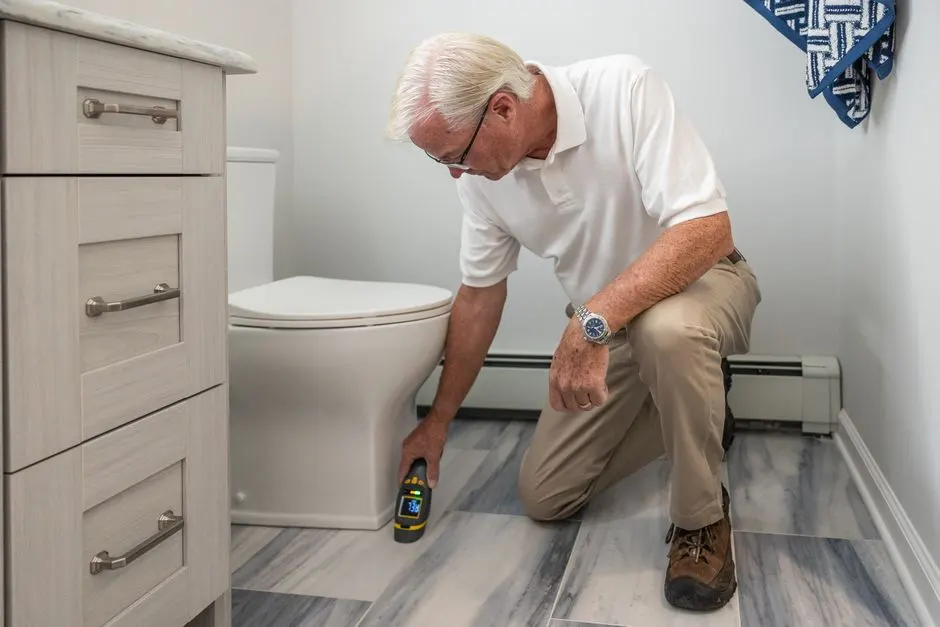
A senior man using a device to inspect a bathroom for maintenance or repair.
Licensed Licensed & Bonded
Fully Insured Insured & Bonded
24/7 Emergency Same-Day Response
Warranty Backed Workmanship Guaranteed in Colorado Springs

What's Included in Kitchen and Bath Inspection

Your visit covers a visual inspection of the affected bathroom and kitchen, moisture checks at suspect materials, and review of accessible plumbing and ventilation details. We document observed conditions and explain likely sources. Laboratory sampling, concealed-space access, and inspection of unrelated rooms are added only when the findings or your question call for them; we explain the purpose before proceeding.

Fixture and Surface Review

We check sinks, shower and tub edges, backsplashes, cabinet interiors, floors, and nearby walls for staining, swelling, failed sealant, and visible growth. We also look at water-supply and drain areas that can leak slowly without leaving a large puddle.

Moisture and Humidity Readings

We take comparative readings around suspect materials and record room humidity where relevant. The measurements help show whether an area is damp now and whether nearby materials differ, but they are interpreted with the visual inspection rather than used as a stand-alone mold diagnosis.

Source and Ventilation Checks

We review accessible plumbing connections, appliance lines, exhaust operation, and signs of condensation. For a bathroom, that can include the fan and shower enclosure; for a kitchen, it can include the sink trap, dishwasher edge, and refrigerator feed.

Findings and Next Steps

We explain what we found, identify the most likely moisture pathway, and prioritize repair, drying, cleaning, or further investigation. If laboratory sampling is warranted, we describe the sample type and question it addresses before collection.

Bathroom and Kitchen Mold Inspection Colorado Springs CO


Bathroom and Kitchen Mold Inspection Colorado Springs CO is a residential property inspection that checks moisture conditions, visible fungal growth, and likely water sources in kitchens and bathrooms. We examine sink cabinets, supply and drain connections, shower surrounds, tubs, backsplashes, flooring, ventilation, and nearby walls. A moisture meter and pinless moisture meter help compare surface readings; thermal imaging can point to temperature patterns that warrant closer checks. If sampling is appropriate, we collect targeted material for laboratory analysis rather than treating a single air reading as a complete diagnosis.

Colorado Springs homes face dry outdoor air for much of the year, but indoor leaks and condensation still keep enclosed materials damp. A slow supply-line drip, failed shower seal, refrigerator line leak, or weak bath fan can leave hidden mold behind drywall or cabinets. Our Colorado Springs bathroom mold inspector traces the moisture pattern and documents affected areas. If you need to inspect bathroom mold around a shower in Colorado Springs, we check grout, corners, adjacent flooring, and accessible wall surfaces while distinguishing staining from active moisture concerns.

What to Expect During Inspection

Bathroom and kitchen mold inspection in Colorado Springs follows a practical sequence: we hear what you have noticed, inspect the affected rooms, measure moisture, and explain the findings. A standard visit often takes about 1.5 to 3 hours for an average home, depending on access and the number of rooms. You can stay home and ask questions as we work.

01

Schedule

Call or book online — a real human picks up and confirms a 2-hour arrival window.

02

Diagnose

Licensed tech inspects on-site, then walks you through the cause and your options.

03

Fix

The job is completed to code and done right the first time — no shortcuts, no surprises.

04

Guarantee

Every job backed by a written workmanship warranty — and we stand behind it.

Inspection Tools and Methods

Tools & Equipment

Tramex moisture meter

We use a Tramex meter to compare moisture conditions in accessible building materials around sink bases, shower walls, and adjacent flooring. The readings guide investigation; they do not identify mold species.

Protimeter pinless moisture meter

A pinless reading helps screen a broader surface without leaving pin marks. We compare suspect areas with nearby materials and use the pattern to decide where a closer inspection is needed.

FLIR thermal imaging camera

Thermal imaging shows surface temperature differences that may point to a concealed wet area or an air leak. We verify any concern with moisture checks or direct inspection rather than treating an image as proof.

Hygrometer

A hygrometer measures indoor relative humidity and temperature during the visit. These readings help explain condensation concerns and whether bathroom ventilation or drying conditions deserve attention.

Borescope

A borescope can look into an existing opening near a vanity, plumbing chase, or wall cavity. It helps us inspect a concealed area with limited disturbance when access is available and appropriate.

Zefon spore trap cassette

When air sampling is warranted, a spore trap cassette collects airborne particles for laboratory analysis. We select the sampling location and interpret results alongside the room inspection and moisture evidence.

Methods & Standards

Comparative moisture mapping

We take readings at suspect locations and nearby reference materials to map differences across a cabinet, floor, or wall. The pattern helps locate the extent of dampness and guide next steps. Material type, surface condition, and instrument limitations all matter, so we interpret numbers with visual evidence rather than using a universal cutoff.

ASTM D7338 assessment approach

ASTM D7338 Standard Guide for Assessment of Fungal Growth in Buildings provides a framework for evaluating visible fungal growth and related building conditions. We apply a structured inspection approach: document the affected material, investigate moisture, note boundaries, and connect observations to practical corrective actions.

Targeted surface sampling

When a sample can answer a specific question, we collect from a representative area using a sterile swab or tape-lift method, then label and handle it for analysis. Sampling is targeted to the observed concern, not used as a substitute for finding the leak. Results are interpreted with the material and moisture history.

Air sampling with context

A HEPA air sampling pump and spore trap cassette can collect an air sample when the inspection question involves airborne particles. We select locations and consider room conditions, then compare the laboratory findings with visible conditions and moisture readings. An air sample is a snapshot, not a complete map of hidden growth.

When to Schedule an Inspection

01

A Colorado Springs homeowner finds a swollen sink cabinet after a small leak that ran unnoticed for several days.

What we do: We inspect the cabinet base, plumbing connections, and adjacent floor, then measure moisture in nearby materials. If the leak is still active, we identify the affected area for repair and explain whether sampling adds useful information. The inspection focuses on the source and the damage it may have caused.

02

A shower stain returns after fresh paint, and the bathroom shares a wall with a bedroom in Old Colorado City.

What we do: We check shower edges, sealant, wall readings, and the adjoining room for a moisture pattern that crosses the wall. A borescope may help inspect an existing opening if concealed moisture is suspected. We document what is visible and recommend the least disruptive next step.

03

A property owner notices musty odor near a dishwasher after a winter supply-line leak in Colorado Springs.

What we do: We inspect the dishwasher edge, cabinet toe-kick, sink base, and surrounding flooring for signs of water intrusion. Comparative moisture readings help establish whether materials remain damp. If the source is repaired, we can help determine whether drying has progressed and whether damaged materials need further evaluation.

04

A buyer sees dark grout and a soft vanity panel during a home walkthrough in El Paso County.

What we do: We focus on the bathroom and kitchen areas of concern, check accessible plumbing and material moisture, and record visible conditions. You receive a straightforward explanation of what the inspection found and which questions remain open, helping you plan targeted repairs or further investigation.

How Inspections Work in Colorado Springs

Colorado Springs homes encounter sharp seasonal temperature changes, dry outdoor air, and occasional freeze-related plumbing problems. In November and through winter, cold exterior walls and long showers can increase condensation, while frozen or stressed supply lines can leak into sink cabinets and wall cavities. We check the likely source first, then measure nearby materials to see whether moisture remains. A Colorado Springs bathroom mold inspector also considers exhaust performance, attic vent routing, and shared plumbing walls when the symptoms point beyond the room. Older homes in Old Colorado City and the Westside can have layered finishes or past repairs that obscure earlier water damage; newer homes can still develop leaks at appliance lines and shower transitions. Our bathroom moisture and mold evaluation Colorado Springs CO residents book includes a room-specific review, not a generic humidity reading. If you need to check under a kitchen sink for hidden mold in Colorado Springs, we inspect accessible surfaces and connections, document the findings, and explain whether a targeted sample or further access would answer the remaining question. We serve El Paso County and use local neighborhood knowledge to plan a practical inspection route.

Neighborhoods We Serve

  • Old Colorado City

    Older homes may have repaired plumbing routes and layered wall finishes, so we compare the visible stain with moisture readings on both sides of the affected area.

  • Broadmoor

    Large bathrooms and multiple plumbing fixtures can create more than one potential moisture source; we inspect the reported area and nearby fixture connections systematically.

  • Briargate

    Kitchen appliance lines and enclosed cabinet bases can hide slow leaks; we check dishwasher edges, sink plumbing, and adjacent flooring when odor or swelling appears.

  • Downtown Colorado Springs

    Shared walls and compact utility routes can carry moisture beyond a bathroom. We inspect accessible adjoining surfaces and document where readings change.

Local Conditions We Plan For

  • Cold snaps stress exposed or poorly protected plumbing connections

    A small supply-line leak can wet cabinet bases or wall cavities before a visible puddle forms. We check plumbing access points and compare readings around the suspected route.

  • Winter indoor humidity meets cold exterior surfaces

    Condensation can recur around windows, exterior corners, and bathroom ceilings even when plumbing is sound. We record room humidity and inspect the surface pattern before recommending corrections.

  • Dry outdoor air does not quickly dry enclosed wet materials

    A damp wall cavity or cabinet can retain moisture after the room feels dry. We measure the material itself and look for continuing water entry rather than relying on how the air feels.

Leaking Kitchen Sink Cabinet

Before

A homeowner noticed a sour odor when opening the sink cabinet, with a faint stain near the drain. The cabinet floor looked dry after wiping, but a slow trap leak had repeatedly dampened the base and the flooring edge. No one had checked the adjacent wall or compared moisture readings around the plumbing.

After

We traced the damp area to the drain connection and documented readings at the cabinet base and nearby floor. The repair stopped the leak, and follow-up checks showed the affected surface readings moving toward the nearby reference area over the drying period. The homeowner had a clear location for repair and a defined area to monitor.

Maintenance: Check beneath the sink monthly and after plumbing work. Keep the cabinet clear enough to see the trap and supply lines, and dry any spill promptly. If the odor returns or the base swells, arrange another moisture check rather than covering the panel.

Before

A bathroom wall outside the shower had been repainted twice, but a yellow-brown mark returned after several weeks. The homeowner suspected hidden mold behind tile, while the shower appeared intact at a glance. The wall shared a corner with a bedroom, and no moisture measurements had been taken.

After

We checked the shower transition, adjacent floor, and both accessible sides of the shared wall. Readings identified a damp zone near the enclosure rather than across the full bedroom wall. The findings directed the repair toward the shower seal and the affected finish; targeted sampling was discussed only for the area where visible growth was present.

Maintenance: Keep shower joints sealed and inspect the perimeter for gaps every few months. Run the exhaust fan during bathing and afterward, and watch the adjoining wall for a returning stain. A fresh coat of paint should wait until the moisture source is corrected and the assembly is dry.

Before

After a dishwasher cycle, a homeowner in Colorado Springs noticed a damp toe-kick and a musty smell near the kitchen floor. The visible floor was nearly dry, so the source was unclear. Water had escaped slowly near the appliance connection and reached the cabinet edge.

After

We inspected the dishwasher opening, toe-kick, sink cabinet, and nearby floor, then compared moisture readings across the affected materials. The inspection isolated the concern to the appliance-side cabinet edge and gave the repair professional a defined area to address. The homeowner could track drying instead of guessing at a whole-room problem.

Maintenance: Look beneath and beside the dishwasher after a leak or service visit, and check the connecting line for fresh moisture. Keep the toe-kick area accessible for inspection. If a musty odor persists after the connection is repaired, measure the cabinet and flooring before replacing finishes.

Solve Hidden Kitchen and Bath Moisture Problems

A recurring stain or odor often returns because the water source was never identified. Our inspection tracks moisture through the areas that commonly fail, from shower seams to sink cabinets. We help you decide whether you need a plumbing repair, targeted mold sampling, or a closer look inside a concealed assembly.

Problem

Musty odor returns beneath a kitchen sink after cleaning

A slow drain or supply leak can keep the cabinet base damp and damage adjacent flooring, even when the surface looks dry.

Our Fix

We inspect the cabinet, plumbing connections, base panel, and nearby floor, then compare moisture readings across affected and reference areas. If visible growth is present, we document its location and discuss whether surface sampling is useful. You get a clear sequence: repair the leak, dry the materials, and address affected surfaces.

Problem

Shower-wall staining spreads into the next room

Water can travel behind tile or along a shared wall, damaging finishes beyond the bathroom and supporting concealed growth.

Our Fix

We inspect shower transitions, grout and sealant condition, adjacent flooring, and the wall on the other side where accessible. Moisture measurements help map the concern; thermal imaging can guide a closer check. If you need to inspect bathroom mold around a shower in Colorado Springs, we explain whether existing access is enough or further investigation is justified.

Problem

Damp vanity material swells near the plumbing

Repeated wetting can break down particleboard, loosen cabinet joints, and leave a persistent odor that spreads when doors open.

Our Fix

We check the trap, supply lines, cabinet floor, and wall behind the vanity for active moisture and visible damage. We record the affected area and identify whether a plumber should correct the source before cleanup. You can then repair the cabinet once the materials are dry and the leak is controlled.

Problem

Bathroom condensation persists despite wiping surfaces

Repeated surface dampness around windows, ceilings, and corners can damage paint and create recurring growth even without a plumbing leak.

Our Fix

We review room humidity, fan operation, moisture patterns, and nearby surfaces to distinguish condensation from water intrusion. A hygrometer reading and comparative material checks help identify the conditions sustaining dampness. We outline practical ventilation and drying corrections and recommend additional sampling only if the inspection evidence supports it.

Clear Findings, Practical Next Steps

Clear Findings, Practical Next Steps

A focused inspection helps you stop guessing about a musty cabinet or recurring shower stain. We connect visible conditions to moisture readings, note the likely source, and explain what needs attention first. You leave with findings you can use to plan repairs, targeted sampling, or follow-up testing.

  • Find the Moisture Source

    We check plumbing connections, caulk lines, appliance feeds, and nearby surfaces instead of simply wiping away visible growth. Readings at several points can show whether a damp area is isolated or extending into surrounding materials. That helps you direct a plumber or repair professional to the source before moisture affects more of the cabinet, floor, or wall.

  • Check Hidden Risk Areas

    A kitchen mold inspection Colorado Springs CO homeowners request often includes the sink base, dishwasher edge, refrigerator water line, and toe-kick area. In bathrooms, we inspect shower corners, vanity plumbing, and the floor beside tubs. A borescope or thermal imaging camera can help investigate a suspicious cavity without opening a large section of finished wall.

  • Choose the Right Sampling

    Not every dark mark needs a lab test, and an air sample alone does not identify a leak. We explain whether a surface sampling swab, tape-lift sampling kit, or spore trap cassette fits the question. You get a reason for each sample and a clear explanation of what the result can and cannot establish.

  • Plan Repairs in Order

    Your report separates moisture correction from cleanup and follow-up verification. If a cabinet reads damp beside a leaking trap, repairing the plumbing comes first; removing damaged material follows only after the source is controlled. That sequence reduces repeat growth and helps you avoid paying to clean a surface that will get wet again.

Training and Inspection Standards

Licensed & Certified

  • Applied Microbial Remediation Technician — issued by Institute of Inspection, Cleaning and Restoration Certification
  • Water Damage Restoration Technician — issued by Institute of Inspection, Cleaning and Restoration Certification
  • Council-certified Indoor Environmentalist — issued by American Council for Accredited Certification
  • EPA Mold Course Certificate — issued by U.S. Environmental Protection Agency

Verified Reviews

Google ★★★★★4.9

Our kitchen sink cabinet had a persistent odor, and the inspection located moisture at the drain instead of blaming the whole room. The technician showed us the readings, checked the floor edge, and explained what to repair first. We left with a clear plan and no unnecessary testing.

Yelp ★★★★★5.0

We called after a shower leak left a stain outside the bathroom. The inspection checked the shower edge and the shared wall, then explained which readings were elevated. We appreciated the plain explanation of what could be confirmed and what would need more access.

Google ★★★★★5.0

A dishwasher leak left the kitchen toe-kick damp and musty. The inspector checked the appliance connection, cabinet, and nearby floor and helped us identify the area to dry and monitor. The visit was focused, and the recommendations made sense for our Colorado Springs home.

Hands-On Inspection Expertise

Our team approaches a damp vanity or shower wall as a building-moisture problem first, then determines whether mold inspection or sampling is warranted. We use established inspection practices and explain readings in plain language. Relevant training can include IICRC Applied Microbial Remediation Technician and Water Damage Restoration Technician coursework, alongside guidance such as ASTM D7338 for assessing fungal growth in buildings. We do not claim a credential unless the technician performing your inspection holds it. You get a careful room-by-room review, documented observations, and recommendations tied to the conditions found in your home.

  • We compare readings at suspect materials with nearby reference areas instead of treating one meter reading as a diagnosis.
  • Our inspection considers visible mold growth, musty odors, plumbing leaks, condensation, and ventilation together.
  • We use thermal patterns to guide investigation, then confirm concerns with direct inspection or appropriate measurements.
  • When lab analysis is selected, sample handling and interpretation follow the purpose of the specific test.
  • We explain the difference between moisture correction, mold cleanup, and post-remediation verification before you choose next steps.
Get Started Today
Hands-On Inspection Expertise

Bathroom and Kitchen Mold Inspection FAQs

Real answers to the questions we hear most often from local homeowners and property managers.

What causes mold in bathrooms and kitchens?
Mold grows when moisture remains on or inside a material long enough, often from a leak, condensation, or poor drying. In bathrooms, failed shower seals, weak exhaust, and plumbing leaks are common contributors; kitchens often have sink-trap drips, dishwasher leaks, or refrigerator lines. We check the moisture source as well as visible growth. Colorado Springs' dry outdoor air does not prevent indoor dampness inside cabinets or wall cavities.
How much does a bathroom mold inspection cost in Colorado Springs?
In 2026, a focused bathroom or kitchen inspection commonly falls around $180 to $450, depending on rooms, access, and testing. A combined kitchen-and-bath visit with targeted laboratory sampling can range from $300 to $850. We explain the price before work begins; the final amount depends on sample count, concealed-area investigation, and whether additional rooms need checking. A visual inspection and moisture readings do not automatically include lab analysis.
Can an inspector find mold behind bathroom tile?
An inspector can identify evidence suggesting concealed moisture behind tile, but confirming hidden mold may require an access point or targeted sampling. We check grout and caulk, adjacent drywall, floor transitions, and moisture patterns; a borescope can inspect an existing opening. If you need a bathroom mold assessment after a plumbing leak Colorado Springs CO, we trace the affected area and explain whether further access is justified.
Does bathroom mold testing include moisture readings?
A mold inspection should include moisture evaluation, but laboratory mold testing is a separate step unless it is specifically selected. We record readings with a moisture meter and compare suspect surfaces with nearby materials; a hygrometer measures room humidity. If you want to check under a kitchen sink for hidden mold in Colorado Springs, we inspect the cabinet, plumbing connections, and adjacent surfaces before recommending a sample.

Related Inspection Services

Mold Inspection

A broader mold inspection checks additional rooms when bathroom or kitchen findings suggest the moisture problem extends beyond one area. We can examine adjoining walls, utility spaces, or other reported locations and document the pattern so you can address the full source rather than only the visible spot.

View Mold Inspection

Residential Mold Inspection

Residential mold inspection puts a kitchen or bathroom concern into the context of your home. We can check adjacent bedrooms, laundry areas, and shared plumbing walls when odors or moisture readings continue outside the original room.

View Residential Mold Inspection

Commercial Mold Inspection

Commercial mold inspection helps property managers assess break rooms, shared restrooms, food-preparation areas, and tenant spaces. We document affected locations and moisture conditions to help plan repairs while limiting disruption to occupied areas.

View Commercial Mold Inspection

Mold Testing and Sampling

Targeted mold testing can help answer a specific question after inspection identifies visible growth or unexplained conditions. We select a surface or air sampling method based on the location and purpose, then explain what laboratory results mean for your next step.

View Mold Testing and Sampling

Air Quality Testing for Mold

Air quality testing may be useful when a bathroom or kitchen has persistent musty odor without an obvious visible source. We use controlled collection methods and interpret air results alongside moisture evidence; a sample alone cannot locate a leak or establish the full extent of growth.

View Air Quality Testing for Mold

Surface Mold Sampling

Surface sampling helps characterize suspected growth on a cabinet panel, tile edge, or wall finish. We collect a targeted sample with an appropriate swab or tape-lift method and relate the laboratory finding to the material and moisture conditions observed during inspection.

View Surface Mold Sampling

Book a Bathroom and Kitchen Mold Inspection

A musty cabinet or damp shower wall deserves a clear answer before damage spreads. Our Colorado Springs team checks the moisture source, documents findings, and explains the next practical step. Call Colorado Springs Mold Testing to arrange your inspection.

Call our team Schedule Inspection

Contact Our Inspection Team

Call Colorado Springs Mold Testing at +1 866-896-8166 to talk through a leak, musty odor, visible growth, or post-remediation question. Our office hours are Monday through Friday, 8:00 a.m. to 6:00 p.m.; leave a message outside those hours and we will respond during the next business period. We serve Colorado Springs, CO, including ZIP codes 80909, 80904, and 80906.

Or call us right now at +18668968166 — we answer.

Colorado Springs Mold Testing


  • Phone

    +18668968166
  • Address

    Colorado Springs

  • Hours

    Mon–Fri: 7AM – 7PM
    Sat: 8AM – 4PM
    Sun: Emergency Only
    24/7 Emergency Available

Call +18668968166 Get Quote
Call Quote