Logo
Get Estimate

HVAC and Duct Mold Inspection Colorado Springs CO

Find the source of musty air before it spreads


HVAC and Duct Mold Inspection Colorado Springs CO helps homeowners and businesses identify mold growth, dampness, and contamination risks around heating and cooling equipment. Our Colorado Springs team checks accessible ducts, the air handler, filters, drain components, and nearby surfaces, then explains what the evidence means. If rooms smell musty when the system starts or occupants notice recurring dust and moisture, a Colorado Springs HVAC mold assessment can help pinpoint the next practical step.

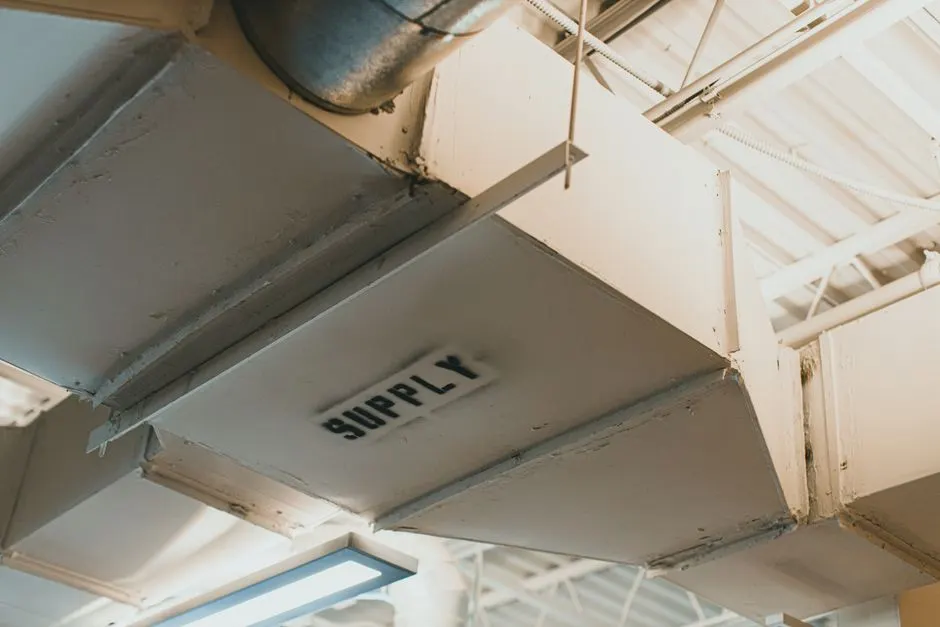
Close-up view of an air duct labeled 'SUPPLY' in an industrial setting.
Licensed Licensed & Bonded
Fully Insured Insured & Bonded
24/7 Emergency Same-Day Response
Warranty Backed Workmanship Guaranteed in Colorado Springs

What Your HVAC Inspection Covers

Your inspection covers accessible HVAC components, duct openings, moisture indicators, and the conditions connected to the reported odor or visible concern. We document observations and recommend sampling when it can answer a defined question. Extensive duct disassembly, HVAC repairs, mold removal, and laboratory analysis beyond the selected samples are separate work, so you know what the inspection itself addresses.

Equipment and Duct Review

We examine accessible supply and return openings, air-handler connections, filter compartments, drain pans, and coil areas where access permits. We note visible staining, suspected growth, debris, and odor patterns, then connect those observations to the specific rooms or zones you identify.

Moisture Condition Checks

We take readings at suspect materials and compare them with nearby areas, using appropriate moisture and humidity instruments. The comparison helps identify dampness that could support growth and distinguishes it from a cool surface or ordinary dust accumulation.

Targeted Sampling Option

When additional evidence is useful, we select an air or surface sample based on the suspected source and inspection question. Collection points are recorded, and findings are interpreted with the observed conditions. Sampling is not automatically required for every odor or every vent.

Findings and Next Steps

We explain what was observed, where access was limited, and what action addresses the suspected moisture source. Your report can help guide an HVAC contractor, plumber, roofer, or remediation professional. It does not substitute for mechanical repair or mold removal.

HVAC and Duct Mold Inspection Colorado Springs CO


HVAC and Duct Mold Inspection Colorado Springs CO is a building inspection service that examines heating and cooling equipment and accessible ductwork for mold indicators, moisture sources, and conditions that support fungal growth. We inspect the air handler, evaporator coil area where accessible, drain pan, supply and return openings, filter slot, and nearby building materials. A moisture meter and hygrometer help us distinguish a dampness problem from a surface that is simply cool. If sampling is warranted, we collect targeted material or air samples and document where each came from.

Colorado Springs homes face sharp temperature swings, dry outdoor air, and periods when tightly closed buildings recirculate indoor air for hours. Roof or plumbing leaks, condensation near a cold coil, and elevated indoor humidity can leave hidden moisture around an HVAC system even after a visible spill dries. We perform air duct mold inspection Colorado Springs property owners request after musty odors, water intrusion, or remodeling uncovers staining. If you need to inspect air ducts for mold in a Colorado Springs home, we trace moisture and airflow clues before recommending testing.

What to Expect During Inspection

HVAC and Duct Mold Inspection Colorado Springs CO follows a practical sequence: we hear what has changed, inspect the equipment, check moisture indicators, and explain whether sampling adds useful evidence. A focused residential visit often takes two to four hours, depending on access and system layout. You can stay home and ask questions as we work.

01

Schedule

Call or book online — a real human picks up and confirms a 2-hour arrival window.

02

Diagnose

Licensed tech inspects on-site, then walks you through the cause and your options.

03

Fix

The job is completed to code and done right the first time — no shortcuts, no surprises.

04

Guarantee

Every job backed by a written workmanship warranty — and we stand behind it.

Tools and Inspection Methods

Tools & Equipment

Moisture meter

We use a moisture meter to compare suspect duct insulation, nearby drywall, and other accessible materials with unaffected reference areas, helping identify dampness that needs follow-up.

Hygrometer

A hygrometer records indoor relative humidity during the visit. That reading adds context to condensation concerns and helps distinguish a brief surface issue from a broader humidity condition.

FLIR thermal imaging camera

A FLIR thermal imaging camera shows temperature patterns around ducts and equipment that may merit direct checking. Thermal images are screening evidence, not proof of moisture or mold.

Borescope

Where an existing opening allows safe access, a borescope helps view a limited section of concealed duct or cavity without removing large areas of finish.

Spore trap cassette

We use a spore trap cassette for a planned airborne sample when the investigation question and collection conditions support that method. Sample location and context are documented.

Methods & Standards

Moisture-source tracing

We follow observed dampness toward likely sources such as coil condensation, a drain backup, plumbing, or a roof leak. Readings are compared across suspect and unaffected materials, and the inspection records where each measurement was taken. Finding and correcting the moisture source is central to preventing recurring growth.

ASTM D7338 assessment approach

We use the principles of ASTM D7338 Standard Guide for Assessment of Fungal Growth in Buildings to organize observations of visible growth, moisture, and building conditions. The guide informs the inspection process; it does not replace a laboratory result or establish a universal health threshold.

ASTM D7391 airborne analysis

When airborne sampling is selected, ASTM D7391 Standard Test Method for Categorization and Quantification of Airborne Fungal Structures provides a method for interpreting collected fungal structures. We explain the sampling location and conditions so you can understand what the result represents and what it cannot establish about hidden growth.

When to Schedule an Inspection

01

A Colorado Springs home develops a musty odor after its cooling system runs during a warm afternoon.

What we do: We inspect accessible coil and drain areas, check for condensation and damp surfaces, and compare the odor location with supply and return pathways. If the evidence does not identify the source visually, we discuss whether targeted sampling adds useful information before you arrange HVAC repair.

02

A winter roof leak wets attic insulation beside ductwork serving an Old Colorado City home.

What we do: We document moisture and visible conditions around the affected duct run and nearby materials, then assess whether the concern extends toward an air handler or ceiling opening. You receive a clear record to coordinate roof repair, drying, and any follow-up mold assessment.

03

A business tenant reports an odor near one zone after a condensate drain backup.

What we do: We focus on the equipment and vents serving that zone, check accessible surfaces for moisture, and record the distribution path. If samples are appropriate, we label collection points so results can be interpreted in relation to that specific complaint and shared with the building's HVAC contractor.

04

A buyer notices staining near a return grille during a home walkthrough in Briargate.

What we do: We inspect the accessible grille, adjacent finish, and related HVAC components for moisture and visible growth indicators. If access is limited, we state what could not be assessed and identify the next useful check, helping you direct follow-up questions before the transaction proceeds.

Colorado Springs HVAC Inspection Details

Colorado Springs sits at an elevation where dry outdoor air and strong temperature changes can make indoor conditions shift quickly. During cold months, heating runs for extended periods and buildings stay closed; during cooling season, coil condensation and drain performance become more important. We account for those operating conditions when checking an air handler, filter compartment, accessible ductwork, and nearby materials. Older homes with additions or remodeled duct routes can have concealed transitions where insulation or air sealing differs, while newer tight homes may hold indoor moisture from cooking, bathing, or leaks. Our Colorado Springs HVAC mold assessment records the room, component, and moisture evidence rather than treating every vent as the same. If you need a mold inspection for heating and cooling systems Colorado Springs CO, we can assess accessible areas and explain when an HVAC contractor should open equipment or correct drainage. We serve El Paso County neighborhoods and use location-specific findings to guide practical follow-up.

Neighborhoods We Serve

  • Old Colorado City

    Older homes and later additions can create mixed duct routes and concealed transitions; we compare the reported room with accessible equipment and nearby finishes.

  • Broadmoor

    Large homes may have multiple zones or equipment areas. We identify which system serves the affected rooms before interpreting odor or sample findings.

  • Downtown Colorado Springs

    Renovated properties can combine older building materials with newer HVAC runs, so we document access limits and check nearby surfaces for leak or condensation clues.

  • Briargate

    In homes with active cooling and heating cycles, we note when odor occurs and inspect accessible drain and air-handler areas for moisture evidence.

Local Conditions We Plan For

  • Cold winter nights followed by rapid daytime warming

    Temperature changes can create cold surfaces near ducts or equipment and make condensation clues intermittent. We ask when the system runs and compare suspect readings with nearby materials instead of relying on a single moment.

  • Dry outdoor air with tightly closed homes

    Low outdoor humidity does not rule out a wet coil, plumbing leak, or damp building material indoors. We assess the actual source and indoor readings rather than assuming Colorado's dry climate prevents mold conditions.

  • Roof or plumbing leaks near duct pathways

    Water can travel along framing or duct insulation and appear away from the original leak. We map visible staining and moisture readings so repairs address the route and affected materials, not only the nearest vent.

Recurring Furnace Odor Traced

Before

A homeowner in Old Colorado City noticed a musty smell each time the furnace started, despite changing the filter. The odor was strongest near a hallway return, but there was no obvious growth on the grille. The source remained uncertain, and the homeowner was considering a full duct cleaning without knowing what needed attention.

After

The inspection documented moisture near an accessible drain component and a damp comparison area beside the air handler. The report separated that finding from the dry return grille and identified the equipment location for HVAC follow-up. The homeowner had a specific repair target instead of treating the entire duct system as contaminated.

Maintenance: Keep the filter seated correctly and check the condensate drain during routine HVAC service. If the odor returns after the drain issue is corrected, note the rooms and operating conditions so the next inspection can compare the same locations.

Before

A downtown office reported stale air in two rooms served by one zone. Staff could not tell whether the concern came from the air handler, a nearby storage room, or a vent with accumulated dust. The property manager needed findings precise enough to coordinate with the building's HVAC contractor.

After

The inspector documented the affected vents, checked accessible duct connections and nearby surfaces, and collected a targeted sample where it could answer the investigation question. The findings narrowed follow-up to the zone's accessible equipment and one damp area, rather than recommending broad treatment across unrelated offices.

Maintenance: Have the HVAC contractor address the identified moisture or drainage issue, then confirm the area is dry. Record future odor reports by room and time; a repeated pattern makes it easier to tell whether the same zone remains affected.

Before

After a roof leak, a Broadmoor homeowner saw staining near an upper-floor supply vent and worried that water had entered the ductwork. The ceiling had dried at the surface, but the homeowner could not tell whether insulation or the duct connection remained damp.

After

The inspection compared readings around the vent, adjacent ceiling, and accessible duct connection, then documented the limits of what could be seen without opening the finish. The homeowner received a location-based record for roof repair and any needed further access, avoiding assumptions about hidden areas.

Maintenance: Complete the roof repair first and keep the affected area dry. After repairs, recheck the stained ceiling and duct connection; persistent odor or moisture readings support a focused follow-up rather than relying on appearance alone.

Solve HVAC Odors and Moisture Clues

A musty vent is a symptom, not a diagnosis. Our inspection checks whether moisture, visible growth, or a nearby building issue offers a credible explanation. If you need a vent mold assessment Colorado Springs homeowners can use to plan repairs, we document the affected locations and the evidence behind each recommendation.

Problem

Musty odor returns whenever the furnace or cooling system starts

The odor can keep circulating through occupied rooms, while a damp component or nearby material remains untreated and continues to affect indoor comfort.

Our Fix

We compare odor locations with the air handler, filter slot, drain pan, and accessible supply and return openings. Moisture readings help us focus on damp areas; targeted sampling is considered only when it can clarify suspected growth. You receive findings tied to the system locations we inspected.

Problem

Condensation or a backed-up drain leaves moisture near the coil

Persistent dampness can affect insulation, nearby framing, or the cabinet and may create conditions favorable to visible mold growth if the source continues.

Our Fix

We document moisture around accessible coil and drain components, check adjacent materials, and identify whether the pattern suggests an active condensate issue or another leak. You can then have the correct HVAC or plumbing trade correct the source before cleanup or further testing.

Problem

Dark material appears around a vent after a leak or renovation

Without checking the material and moisture history, you may mistake ordinary dust for growth or overlook hidden mold behind drywall near the duct route.

Our Fix

We inspect the vent, surrounding finish, and accessible duct connection, then compare readings with nearby surfaces. If identification matters, a surface sample can be collected from a defined location. We explain whether the evidence points to the opening, the duct, or a separate wall or ceiling issue.

Problem

Office occupants report stale air in one HVAC zone

A system serving several rooms can distribute an odor beyond its original source, complicating complaints and delaying a useful repair if the affected zone is not identified.

Our Fix

We record the rooms and vents involved, inspect accessible components serving that area, and consider targeted air or surface sampling where appropriate. Our report gives the property team a location-based summary to share with its HVAC contractor and helps avoid treating unaffected zones without evidence.

Clear Findings, Practical Next Steps

Clear Findings, Practical Next Steps

Our inspection connects what you smell or see with the equipment and moisture conditions that could explain it. You get a documented assessment, not a guess based on odor alone. We separate visible growth, moisture evidence, and sampling results so you can decide whether cleaning, repair, further investigation, or no additional work is appropriate.

  • Locate Moisture Sources

    We check accessible drain pans, coil areas, insulation, and nearby surfaces for dampness that can feed visible mold growth. A pinless moisture meter helps compare suspect areas without making unnecessary holes. You learn whether the concern is isolated to one component or connected to a roof, plumbing, or condensation issue.

  • Assess Airflow Pathways

    A ductwork mold evaluation Colorado Springs customers request includes supply and return openings, accessible duct interiors, and the air handler connection. We note dust patterns, staining, obstructions, and odor locations. That map helps you understand where air moves and which areas need closer inspection rather than paying for indiscriminate sampling.

  • Use Targeted Sampling

    When visual evidence cannot answer the question, we select a suitable sample type and location instead of treating every vent alike. Spore trap cassettes or a sterile swab can support lab analysis, depending on the surface and question. You receive results tied to their collection points and clear limitations.

  • Plan the Right Follow-Up

    Your report separates inspection findings from remediation or HVAC repair recommendations. If a leak or condensate problem is active, fixing that source comes first; if a contractor removes affected material, post-work verification can be planned afterward. This sequence helps avoid cleaning a duct system while the moisture feeding the problem remains.

Inspection Standards and Training

Licensed & Certified

  • IICRC Applied Microbial Remediation Technician — issued by Institute of Inspection, Cleaning and Restoration Certification
  • IICRC Water Damage Restoration Technician — issued by Institute of Inspection, Cleaning and Restoration Certification
  • EPA Mold Course Certificate — issued by U.S. Environmental Protection Agency
  • ASTM D7338 Standard Guide for Assessment of Fungal Growth in Buildings — issued by ASTM International

Verified Reviews

Google ★★★★★4.9

The inspector checked our furnace, drain pan, and nearby duct connections after we noticed a smell in the basement. The report showed exactly where readings were taken and explained why the damp area mattered. We were able to give our HVAC contractor a clear location to repair.

Google ★★★★★5.0

Our Colorado Springs office had an odor in one zone, not the whole building. The inspection focused on those vents and the equipment serving them. The sample locations and observations were explained in plain language, which made coordinating follow-up with the property manager much easier.

Yelp ★★★★★4.8

We called after a roof leak left staining beside an upstairs vent. The inspector checked moisture around the opening and nearby ductwork, took photos, and was clear about what could not be seen without opening the ceiling. We left with a sensible order for roof repair and follow-up.

Inspection Knowledge That Matters

Our Colorado Springs team focuses on the building conditions behind suspected HVAC mold, not just the vent cover. We apply relevant training in moisture assessment, fungal growth, and sampling practices, and we follow the intent of ASTM D7338 when evaluating fungal growth in buildings. For airborne sample interpretation, ASTM D7391 provides a method for categorizing and quantifying airborne fungal structures. We explain what each method can and cannot establish, so your report stays useful to you, your HVAC contractor, and any remediation professional.

  • We check equipment and adjacent materials together, because condensation at a coil can affect insulation or framing beyond the air handler.
  • Our sampling decisions follow the question being investigated; a swab, tape-lift, or air sample is not interchangeable.
  • We document sample locations and observed conditions so you can match findings to a vent, component, or room.
  • We assess moisture patterns with readings and comparison points rather than relying on a single isolated measurement.
  • We distinguish inspection and testing from HVAC repair or mold removal, giving you findings you can share with the right trade.
Get Started Today
Inspection Knowledge That Matters

Common HVAC Mold Questions

Real answers to the questions we hear most often from local homeowners and property managers.

How can I tell if mold is in my air ducts?
Musty odor that starts with the HVAC system, visible growth near a vent, or recurring dampness can justify an inspection, but none proves mold inside every duct. We inspect accessible openings, the air handler, and moisture sources, then recommend targeted sampling if it will clarify the finding. A filter with dark dust alone is not confirmation. If symptoms or odor persist after the filter is changed, note which rooms and operating conditions are affected.
How much does an HVAC mold inspection cost in Colorado Springs?
Typical 2026 pricing is about $250 to $650 for a focused residential inspection, with sampling or difficult access potentially increasing the total. The price depends on system count, duct accessibility, building size, and whether laboratory analysis is requested. We explain upfront pricing before work begins. A straightforward visit commonly takes two to four hours, while sample processing adds lab turnaround time rather than time spent inside your home.
Can a mold inspector assess a furnace and duct system?
Yes, we inspect accessible furnace or air-handler areas, drain components, filter compartments, duct connections, and nearby surfaces for mold indicators and moisture. An inspection is not a mechanical tune-up, and we do not disassemble sealed equipment or certify HVAC performance. If you need a mold inspection around a furnace and air handler Colorado Springs, we document what is accessible and identify when an HVAC technician should open or repair a component.
Does duct mold testing require air conditioning to be running?
No; most visual inspections and surface samples do not require air conditioning to run. Some airborne sampling plans call for a defined operating condition, and we will explain the setup before collection. A running system can affect particle movement, so the choice depends on the question being tested. We also inspect for condensation clues at the coil and drain pan, which can be evaluated without running cooling during the visit.

Related Inspection Services

Mold Inspection

A whole-building inspection checks rooms and materials beyond the HVAC system when odors or water damage appear in several areas. We compare those findings with duct and air-handler observations, helping Colorado Springs customers determine whether the concern is limited to equipment or extends to walls, ceilings, or other spaces.

View Mold Inspection

Residential Mold Inspection

For a home with musty air or a past leak, residential inspection adds room-by-room context to the HVAC findings. We examine accessible living areas and moisture indicators alongside the system, so you can distinguish a vent-related concern from mold in a basement, attic, or concealed wall.

View Residential Mold Inspection

Commercial Mold Inspection

Commercial inspection helps property managers assess larger or multi-zone systems where one affected area can serve several rooms. We document accessible HVAC components, occupant concerns, and moisture conditions, then identify areas for further investigation. This is useful for offices, retail spaces, and other Colorado Springs workplaces.

View Commercial Mold Inspection

Mold Testing and Sampling

Sampling supports an HVAC inspection when a targeted question remains after visual and moisture checks. We select air or surface collection based on the suspected location, label the sample, and explain how laboratory findings relate to observed conditions. Testing does not replace locating and correcting a moisture source.

View Mold Testing and Sampling

Air Quality Testing for Mold

Air quality testing can compare airborne particles in a room with a relevant reference location when the investigation calls for it. It complements duct observations but does not by itself identify the source of a musty odor. We explain collection conditions and how results should be read alongside the HVAC inspection.

View Air Quality Testing for Mold

Surface Mold Sampling

Surface sampling is useful when visible or suspected material appears on a vent, insulation, or nearby component and identification is needed. We collect from a defined spot using a suitable method and preserve its location in the report. The result does not establish how extensive growth is elsewhere in the duct system.

View Surface Mold Sampling

Book HVAC Mold Inspection Colorado Springs

Musty air, damp duct insulation, or a recurring condensate leak deserves a direct look. Our team documents the source clues and explains the next step without guessing. Call Colorado Springs Mold Testing at +1 866-896-8166 to schedule your inspection.

Call Today Schedule Inspection

Contact Our Inspection Team

Call Colorado Springs Mold Testing at +1 866-896-8166 to talk through a leak, musty odor, visible growth, or post-remediation question. Our office hours are Monday through Friday, 8:00 a.m. to 6:00 p.m.; leave a message outside those hours and we will respond during the next business period. We serve Colorado Springs, CO, including ZIP codes 80909, 80904, and 80906.

Or call us right now at +18668968166 — we answer.

Colorado Springs Mold Testing


  • Phone

    +18668968166
  • Address

    Colorado Springs

  • Hours

    Mon–Fri: 7AM – 7PM
    Sat: 8AM – 4PM
    Sun: Emergency Only
    24/7 Emergency Available

Call +18668968166 Get Quote
Call Quote