Logo
Get Estimate

Basement and Crawl Space Mold Inspection Colorado Springs CO

Find hidden moisture, identify mold, and plan practical next steps


Basement and Crawl Space Mold Inspection Colorado Springs CO helps homeowners and property managers locate visible growth, concealed dampness, and conditions that can support mold. Our team checks basements and crawl spaces, traces likely water sources, and explains whether sampling is useful. If musty odors, seepage, or a recent plumbing leak have you concerned, we give you clear findings tied to the building, not guesswork.

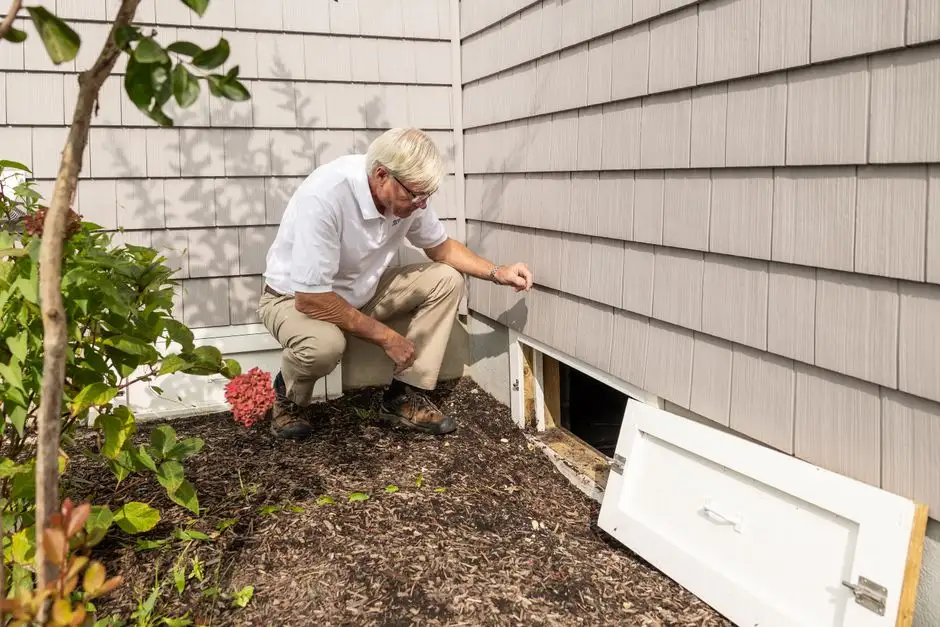
Senior adult inspecting a crawl space entrance during a home inspection on a sunny day.
Licensed Licensed & Bonded
Fully Insured Insured & Bonded
24/7 Emergency Same-Day Response
Warranty Backed Workmanship Guaranteed in Colorado Springs

What Your Inspection Includes

Your visit covers accessible basement and crawl-space conditions, visible suspect materials, moisture measurements, and a review of likely water sources. We explain whether sampling could answer a specific question and identify observations that require further investigation. Laboratory analysis is arranged when sampling is selected; cleanup, material removal, and building repairs are separate work performed by the appropriate contractor.

Visual area review

We inspect accessible foundation surfaces, framing, insulation, floor edges, and utility penetrations for visible mold, water staining, and condensation. We note blocked or concealed locations so you understand the limits of what could be observed during the visit.

Moisture measurements

We take comparative readings at suspect and reference materials and record conditions that may help explain dampness. Measurements are interpreted alongside material type, location, and recent weather or leaks; they are not a standalone mold diagnosis.

Water-source checks

We look for clues around plumbing, foundation joints, windows, and drainage-facing walls that may point to water intrusion. You receive a practical explanation of which source appears most relevant and what should be checked or corrected next.

Sampling guidance

When a defined question calls for testing, we select an air or surface method suited to the concern and document the collection location. We explain what the sample can establish and what it cannot, so results remain tied to the inspected area.

Findings and priorities

We review observations, readings, and sampling information with you and identify priority actions. You can use the results to plan leak correction, drying, additional investigation, or follow-up verification after remediation.

Basement and Crawl Space Mold Inspection Colorado Springs CO


Basement and Crawl Space Mold Inspection Colorado Springs CO is a building assessment that locates moisture conditions and visible or suspected mold in below-grade areas. We inspect accessible foundation walls, floor edges, framing, insulation, stored materials, and plumbing zones, then record conditions that can explain odors or staining. A moisture meter helps compare suspect areas with dry materials; a thermal imaging camera can help identify temperature patterns that warrant closer examination. We explain what the findings show and whether targeted sampling would answer a specific question.

Colorado Springs homes face fast weather shifts, snowmelt, summer storms, and dry indoor air that can conceal water intrusion or concentrate musty odors. Older basements, finished wall cavities, and low-clearance crawl spaces each need a different inspection approach. Our basement and crawl space mold assessment Colorado Springs service connects observed growth with possible sources such as roof or plumbing leaks, condensation, or poor drainage. If you need to inspect a damp basement for mold in Colorado Springs, we trace the moisture pattern before recommending a test.

What to Expect During Inspection

Basement and crawl space inspections follow a practical sequence: understand the concern, inspect the accessible areas, measure moisture, and explain the evidence. A typical visit takes about two to four hours, depending on access, home size, and the number of suspect areas. We keep you informed as we work.

01

Schedule

Call or book online — a real human picks up and confirms a 2-hour arrival window.

02

Diagnose

Licensed tech inspects on-site, then walks you through the cause and your options.

03

Fix

The job is completed to code and done right the first time — no shortcuts, no surprises.

04

Guarantee

Every job backed by a written workmanship warranty — and we stand behind it.

Tools and Inspection Methods

Tools & Equipment

Moisture meter

We use a moisture meter to compare suspect building materials with nearby reference areas. Readings help locate dampness patterns, but material type and location guide interpretation.

Pinless moisture meter

A pinless moisture meter screens larger surface areas without leaving pin marks. It is useful for checking finished surfaces and narrowing down locations for closer evaluation.

Hygrometer

A hygrometer records relative humidity during the visit. We consider the reading alongside surface temperatures, ventilation, and the property's recent moisture history.

Thermal imaging camera

A thermal imaging camera shows temperature patterns that may point to dampness or air leakage. We verify suspicious patterns with direct inspection or moisture measurement.

Borescope

A borescope can help view an accessible wall or floor cavity through a suitable opening. It supports focused investigation but cannot show every concealed surface.

Spore trap cassette

A spore trap cassette collects airborne particles during targeted air sampling. We document the sampling location and interpret laboratory findings with the inspection conditions.

Methods & Standards

Moisture mapping

We identify suspect areas, take comparative readings, and record the material and location for each measurement. This method helps distinguish a localized damp spot from a broader pattern and supports follow-up after a leak repair or drying effort.

Visual fungal-growth assessment

We document visible conditions, material damage, odors, and potential water sources, using ASTM D7338 as an assessment guide. Appearance alone does not identify a mold species, so we explain when a sample or further investigation would add useful evidence.

Targeted air sampling

When airborne sampling is appropriate, we select a location and collection period tied to the question being investigated. A HEPA air sampling pump and spore trap cassette collect a sample for laboratory analysis. We interpret results in relation to outdoor conditions, airflow, and observed moisture rather than as a standalone verdict.

Surface sampling

For a specific visible suspect area, we collect a surface sample using a sterile swab or tape-lift method suited to the material. We label the location and preserve the sample for laboratory review. This can help characterize collected material, but the result does not identify the moisture source.

When to Schedule an Inspection

01

After snowmelt, a Broadmoor basement develops a damp corner and a faint odor near stored boxes.

What we do: We inspect the foundation-facing wall, floor joint, and nearby materials, then compare moisture readings with a drier reference area. We look for signs of water entry and ask whether the odor changes after precipitation. If testing would clarify visible suspect material, we explain the appropriate sampling option.

→ You get a clearer picture of whether the concern is active moisture, old staining, or suspected growth, plus a practical order for follow-up.

02

A Westside home has a low-clearance crawl space with darkened joists and uncertain ventilation.

What we do: We assess accessible framing, insulation, ground-facing conditions, and evidence of condensation or intrusion. The inspection accounts for limited clearance and records areas that cannot be safely reached. We can collect a targeted surface sample when identification would inform the next decision.

→ You receive documented observations and can prioritize moisture correction, material review, or further investigation without relying on appearance alone.

03

A Colorado Springs buyer notices a musty smell during a lower-level property walk-through.

What we do: We inspect accessible basement and crawl-space areas for staining, visible growth, damp materials, and likely sources. We discuss the inspection limits created by finished walls or stored belongings and recommend focused sampling only if it answers a specific concern.

→ The buyer gains actionable information about observed conditions and follow-up questions before making repair or transaction decisions.

04

A tenant reports a recurring odor after a water-heater leak in an Ivywild basement.

What we do: We check the leak area, surrounding materials, and nearby floor and wall surfaces for remaining moisture. We note whether the affected area appears confined or extends into adjacent materials, then explain whether sampling or a post-drying check would add useful information.

→ The property owner can verify the condition of the affected area and arrange focused drying or repairs before the space is returned to normal use.

How Inspections Work in Colorado Springs

Basement and crawl-space inspections in Colorado Springs account for a high-elevation climate with dry indoor air, sharp temperature changes, snowmelt, and summer storms. A dry-looking wall can still have a damp joint after runoff, while cool foundation surfaces can collect condensation when indoor humidity rises. Construction varies across El Paso County: older homes may have finished-over repairs or mixed masonry and framing, while newer houses can develop leaks around plumbing, windows, or utility penetrations. Our team checks the building conditions that fit the reported history rather than assuming every stain has the same cause. For a basement moisture and mold inspection Colorado Springs CO, we compare suspect areas with reference points and note recent weather or repairs. If you need to check a crawl space for mold and moisture Colorado Springs CO, we account for access, insulation, ground conditions, and ventilation. We use findings to distinguish a likely water-entry issue from a question that needs targeted sampling, and we explain any concealed-area limits before recommending further investigation.

Neighborhoods We Serve

  • Old Colorado City

    Older homes can have varied foundation materials and past repairs. We check accessible wall joints and note where finishes may conceal earlier moisture damage.

  • Broadmoor

    Sloped sites and changing runoff patterns can affect below-grade walls. We pay close attention to damp corners and water marks following storms or snowmelt.

  • Ivywild

    Basements with utility equipment and older plumbing connections benefit from careful checks around water heaters, supply lines, and floor drains.

  • Briargate

    Even newer homes can develop condensation or plumbing leaks. We compare suspect areas with nearby materials to distinguish isolated dampness from a broader pattern.

Local Conditions We Plan For

  • Snowmelt and stormwater collect near below-grade foundation walls.

    Water can enter through joints or openings and leave dampness after surface water has disappeared. We compare the location of staining with foundation details and the reported timing of weather events.

  • Dry indoor air meets cool basement surfaces during cold weather.

    Temperature differences and changing humidity can contribute to condensation on pipes or walls. We consider humidity and surface conditions together rather than treating a single reading as proof of mold.

  • Low crawl-space clearance limits visibility and safe access.

    Insulation, framing, and ground-facing materials may be difficult to inspect fully. We document accessible areas and explain when a restricted location needs a separate access plan or additional investigation.

Tracing a Damp Foundation Corner

Before

A homeowner noticed a musty odor and a dark mark at the bottom of a finished basement wall after storms. The surface felt cool, but there was no standing water. Stored boxes blocked part of the corner, and repeated cleaning had not stopped the smell.

After

The inspection found higher moisture readings at the wall-floor edge than at a nearby reference point and documented the affected area. We identified the pattern as a reason to investigate water entry and advised checking the exterior drainage route. The homeowner had a focused next step instead of another coat of paint.

Maintenance: Keep the wall edge accessible, move stored items several inches away, and recheck after the next significant storm. Correct drainage or foundation issues before replacing affected finishes.

Before

A repaired supply-line leak left damp insulation and a lingering odor near the crawl-space entrance. The owner could not tell whether the moisture remained in one small section or had reached adjacent framing.

After

We documented damp materials near the former leak and compared readings on nearby framing. The inspection identified the area needing drying and material review; a targeted surface sample was discussed for the visible suspect patch. Findings gave the owner a defined area for follow-up rather than an assumption that the repair had dried everything.

Maintenance: After drying, keep the access area clear and check the repaired connection for new moisture. A follow-up reading can help confirm that affected materials are returning to dry conditions.

Before

A property owner in Colorado Springs smelled mustiness in a basement room but saw no obvious growth. A prior water stain had been painted over, and the source was unknown.

After

The inspection compared moisture conditions around the old stain, nearby plumbing, and an unaffected wall. No single result was treated as proof; the documented pattern helped narrow the next check to the likely source area. The owner could discuss targeted investigation without opening several walls at once.

Maintenance: Track odor changes after rain and keep a simple record of any new staining or dampness. Address leaks promptly and arrange a recheck if the same location becomes damp again.

Solve Basement Moisture and Mold Concerns

Below-grade problems often begin with a small leak or damp area and become harder to trace once finishes conceal the source. Our inspection connects what you smell or see with measurable conditions, helping you decide whether the priority is water control, material evaluation, or targeted testing.

Problem

A musty odor returns after rain despite no visible puddle.

Moisture may be entering behind stored items or finished surfaces, leaving materials damp and making the odor persist after the weather clears.

Our Fix

We check accessible foundation edges, nearby plumbing, and suspect materials, then compare moisture readings across the affected area. If patterns point to concealed conditions, we explain where a focused investigation could help. This gives you a reasoned next step instead of masking the smell or opening walls at random.

Problem

Dark marks appear on crawl-space framing or insulation.

The marks could reflect mold, dirt, or prior water staining; leaving damp materials unchecked can allow the underlying moisture issue to continue.

Our Fix

We inspect the affected material and nearby surfaces, assess moisture conditions, and determine whether surface sampling would answer an identification question. We also look for condensation and water-entry clues. You receive clear documentation to guide drying, repairs, or a qualified remediation plan.

Problem

A plumbing leak was repaired, but basement materials still feel damp.

Wet insulation, drywall, or stored items can retain moisture after the pipe is fixed, increasing the chance of persistent odors or visible growth.

Our Fix

We assess the area around the repaired line, measure suspect materials, and inspect adjacent surfaces for spread. We identify what appears dry, what remains damp, and whether sampling is warranted. That helps you focus drying or replacement on affected materials rather than assuming the leak repair solved everything.

Problem

Finished basement walls conceal a recurring stain.

A concealed cavity can hide ongoing seepage or condensation, while repeated repainting may cover symptoms without correcting the moisture source.

Our Fix

We map the stain and use comparative readings and thermal patterns to guide closer checks. Where access allows, a borescope can help view a cavity with less disturbance. We explain what the evidence supports and whether a targeted opening or leak evaluation is the next practical move.

Clear Findings, Practical Next Steps

Clear Findings, Practical Next Steps

A thorough inspection helps you separate an active moisture problem from an old stain, and visible growth from an unconfirmed suspicion. We document where we looked, what we measured, and which areas deserve attention so you can prioritize repairs, testing, or monitoring without treating every discoloration as mold.

  • Locate moisture sources

    We compare damp and dry areas, inspect nearby plumbing and foundation surfaces, and note where water may be entering. A pinless moisture meter can screen larger surfaces without puncturing them. You leave with a clearer route to investigate leaks, condensation, or drainage instead of covering a stain and hoping it stays gone.

  • Investigate hidden areas

    Musty odors behind finished basement walls do not prove mold, but they do justify a closer look. We use thermal patterns and accessible openings to guide investigation, with a borescope where conditions allow. That approach helps focus attention on likely cavities rather than opening multiple walls without a reason.

  • Choose useful sampling

    Sampling is not automatic; it is selected when a result can answer a defined question, such as whether suspect material contains fungal growth. We explain the collection point and method before taking a sample. For a crawl space mold inspection Colorado Springs CO, targeted results can help clarify a concern that visual inspection alone cannot settle.

  • Support repair decisions

    Your findings can help prioritize drying, leak repair, material evaluation, or a follow-up check. We distinguish the observed condition from the recommended action and identify areas needing attention first. That makes it easier to discuss the issue with a qualified remediation or building professional and to verify whether the moisture source has been corrected.

Standards and Credentials

Licensed & Certified

  • IICRC Applied Microbial Remediation Technician — issued by Institute of Inspection, Cleaning and Restoration Certification
  • IICRC Water Damage Restoration Technician — issued by Institute of Inspection, Cleaning and Restoration Certification
  • ACAC Council-certified Indoor Environmentalist — issued by American Council for Accredited Certification
  • EPA Mold Course Certificate — issued by U.S. Environmental Protection Agency

Verified Reviews

Customer feedback Not stated

A Colorado Springs homeowner described a basement odor after rain and appreciated that the inspection compared several moisture readings instead of treating one dark mark as a diagnosis. The findings helped narrow the next step to checking the foundation-side drainage.

Customer feedback Not stated

A crawl-space customer said the inspection clearly separated damp insulation from the visible suspect area and explained when a surface sample would be useful. The owner used the documented locations to plan drying and follow-up.

Customer feedback Not stated

A property owner in Colorado Springs valued the direct explanation of what could be seen behind a finished basement wall and what remained concealed. The inspection gave them a focused investigation plan rather than a recommendation to open multiple walls.

Inspection Knowledge That Matters

Our local experience includes finished basements, unfinished utility rooms, and crawl spaces where access and airflow change what an inspection can reveal. We use established assessment practices and explain the limits of visual checks, moisture readings, and sampling. Relevant training may include IICRC Applied Microbial Remediation Technician and Water Damage Restoration Technician coursework, along with guidance from ASTM D7338 for assessing fungal growth in buildings. We focus on defensible observations: where conditions were found, how they were evaluated, and what action follows.

  • We distinguish visible growth from water staining and record the moisture conditions that help explain each suspect area.
  • Our inspection plan accounts for crawl-space clearance, finished walls, insulation, stored items, and safe access to utilities.
  • We use targeted sampling methods and explain how laboratory results relate to the inspected location.
  • We apply ASTM D7338 guidance as a framework for evaluating suspected fungal growth in buildings.
  • We identify when a concern calls for leak repair, drying, further investigation, or post-remediation verification.
Get Started Today
Inspection Knowledge That Matters

Frequently Asked Questions

Real answers to the questions we hear most often from local homeowners and property managers.

What causes basement mold in Colorado Springs?
Basement mold usually follows persistent moisture from seepage, plumbing leaks, condensation, or damp materials that were not dried promptly. Colorado Springs weather can bring snowmelt and stormwater against foundations, while indoor humidity and cool surfaces can create condensation. We inspect likely entry points and compare moisture readings across affected and reference areas. If you notice a musty odor after rain, a basement mold assessment after seepage in Colorado Springs can help identify what needs attention.
How much does a crawl space mold inspection cost?
In 2026, a focused inspection commonly costs about $250 to $650, while difficult access, larger areas, or laboratory sampling can raise the total. The price depends on crawl-space clearance, the number of suspect locations, and whether air or surface samples are appropriate. We explain pricing upfront before work proceeds. A basement and crawl space mold assessment Colorado Springs visit aims to identify conditions and next steps, not to sell unnecessary tests.
Can a mold inspector check a basement for hidden moisture?
Yes, an inspector can check accessible surfaces and use moisture measurements and thermal patterns to identify areas that warrant further investigation. A meter does not see through every wall, and thermal imaging does not confirm mold, so concealed cavities may need a targeted opening or borescope check. We explain those limits and document the evidence. If you are searching for basement and crawl space mold inspection near me in Colorado Springs CO, ask what the inspection can verify.
Should I test crawl space air for mold?
Test crawl-space air when a defined concern remains after inspection or when results will guide a decision; routine air testing is not necessary for every property. Air samples capture conditions at one time and location, so airflow, recent disturbance, and sampling duration affect interpretation. We first check visible materials, moisture, and odor sources. For a check a crawl space for mold and moisture Colorado Springs CO visit, we recommend sampling only when it adds useful evidence.

Related Inspection Services

Mold Inspection

A broader mold inspection covers additional rooms and building systems when odors or visible growth are not limited to below-grade areas. In Colorado Springs, we can connect basement findings with nearby living spaces, attic conditions, or HVAC concerns to help locate a wider moisture pattern.

View Mold Inspection

Residential Mold Inspection

Residential inspection evaluates the home as a connected system, including the basement, crawl space, and occupied rooms. We document visible concerns and moisture conditions so homeowners can prioritize repairs and decide whether targeted sampling is useful.

View Residential Mold Inspection

Commercial Mold Inspection

Commercial inspections address larger or more complex buildings where basements and service crawl spaces may sit beneath occupied areas. We assess accessible conditions, document affected locations, and coordinate findings around the property's operational needs.

View Commercial Mold Inspection

Mold Testing and Sampling

Targeted sampling adds laboratory information when inspection observations leave a specific question unresolved. We select air or surface collection based on the concern, label the location, and explain how the result relates to the basement or crawl-space conditions.

View Mold Testing and Sampling

Air Quality Testing for Mold

Air testing can help investigate suspected airborne particles or odors that extend beyond a basement. We choose sampling locations carefully and interpret results alongside moisture and visual observations, rather than treating a single air result as a complete building diagnosis.

View Air Quality Testing for Mold

Surface Mold Sampling

Surface sampling can help identify suspected growth on a particular material. We use a sterile swab or tape-lift method suited to the surface and record the exact collection point, giving you focused information to pair with the inspection findings.

View Surface Mold Sampling

Book a Basement Mold Inspection

Musty odors, wet materials, or a history of seepage deserve a closer look before repairs cover the evidence. Our inspection findings connect moisture readings with visible conditions and practical next steps. Call Colorado Springs Mold Testing to arrange your inspection.

Call Today Schedule Inspection

Contact Our Inspection Team

Call Colorado Springs Mold Testing at +1 866-896-8166 to talk through a leak, musty odor, visible growth, or post-remediation question. Our office hours are Monday through Friday, 8:00 a.m. to 6:00 p.m.; leave a message outside those hours and we will respond during the next business period. We serve Colorado Springs, CO, including ZIP codes 80909, 80904, and 80906.

Or call us right now at +18668968166 — we answer.

Colorado Springs Mold Testing


  • Phone

    +18668968166
  • Address

    Colorado Springs

  • Hours

    Mon–Fri: 7AM – 7PM
    Sat: 8AM – 4PM
    Sun: Emergency Only
    24/7 Emergency Available

Call +18668968166 Get Quote
Call Quote