Logo
Get Estimate

Post-Remediation Mold Testing Colorado Springs CO

Independent sampling confirms cleanup results before you move on.


Post-Remediation Mold Testing Colorado Springs CO checks whether mold cleanup has addressed the affected areas and whether conditions support normal use. We inspect and sample after remediation for homeowners, property managers, and businesses that need clear findings before contents return or repairs close up walls. Our after-remediation mold testing Colorado Springs service considers visible conditions, moisture, and airborne particles, then explains what the results mean in plain language.

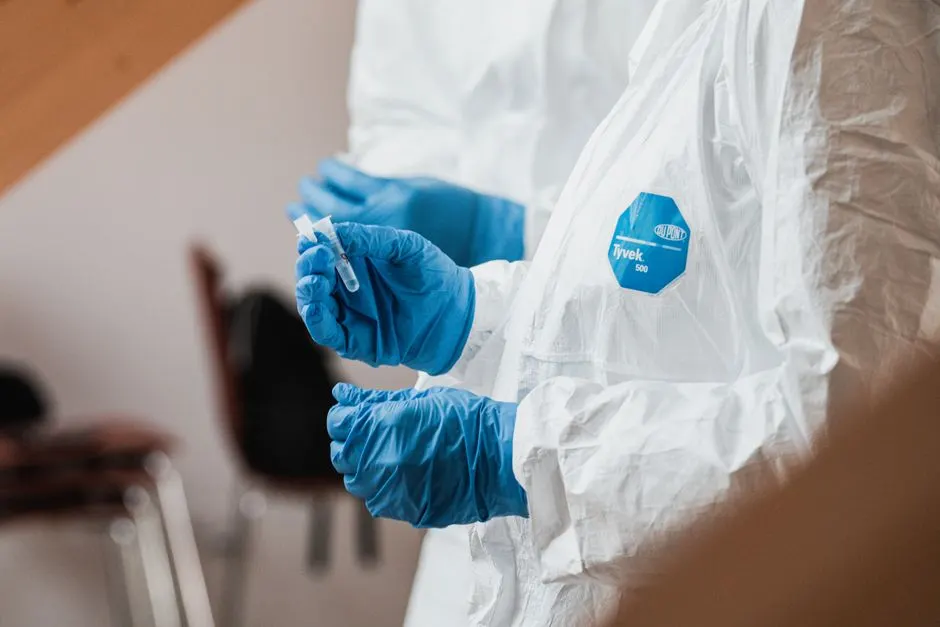
Close-up of a healthcare worker in PPE preparing a COVID-19 test kit.
Licensed Licensed & Bonded
Fully Insured Insured & Bonded
24/7 Emergency Same-Day Response
Warranty Backed Workmanship Guaranteed in Colorado Springs

What Post-Remediation Testing Includes

Your visit includes a review of the cleanup area, visual observations, accessible moisture checks, and a sampling plan matched to the concern. Laboratory analysis is included when samples are collected, with results explained in context. Destructive opening, remediation work, and broad testing of unrelated rooms are separate needs; we identify them clearly rather than implying one visit assesses every concealed building cavity.

Cleanup Scope Review

We discuss the original water event, materials affected, and work completed. This gives the inspection a defined target and helps us check the areas that matter, such as the cleaned wall, flooring edge, or nearby building materials.

Visual Condition Check

We inspect accessible treated surfaces for visible mold growth, residue, dust, and signs of continuing water intrusion. Observations are recorded by location so you can relate the findings to the remediation work and decide whether the area is ready for repairs.

Moisture Readings

We take moisture and humidity readings where they help assess drying and recurrence risk. A reading is interpreted according to material and location; it is not treated as a universal pass-or-fail number. Results can point to a leak or damp material needing correction.

Targeted Sample Collection

When sampling answers a useful question, we collect selected air or surface samples using clean handling and documented locations. Sample count and type depend on the affected area and the comparison needed, not a fixed package applied to every property.

Results and Recommendations

We review laboratory findings alongside site observations and explain what the evidence supports. You receive practical next steps, such as proceeding with repairs, improving drying, or investigating a specific location further. The report also notes relevant limits of access and sampling.

Post-Remediation Mold Testing Colorado Springs CO


Post-Remediation Mold Testing Colorado Springs CO is an independent verification service that evaluates a building after mold cleanup to determine whether affected areas appear clean and sampling results support clearance. We review the remediation scope, inspect accessible surfaces, check moisture, and collect air or surface samples when appropriate. A moisture meter and hygrometer help identify damp materials and indoor humidity conditions that could undermine completed work. Laboratory findings are interpreted alongside site observations; a single sample is not treated as a guarantee that every hidden space is clear.

Colorado Springs homes face roof or plumbing leaks, condensation, and rapid indoor humidity shifts during cold weather. A repaired leak does not prove that concealed materials dried, and a musty odor after work deserves a closer look. Our Colorado Springs post-remediation mold test compares affected locations with suitable reference areas and checks whether the original moisture source is controlled. If you need to test a home for mold after cleanup in Colorado Springs, we coordinate sampling with the stage of work, before rebuilding hides the area.

What to Expect During Testing

Post-remediation testing in Colorado Springs follows the work sequence: review the cleanup, inspect the treated zone, sample where it answers a specific question, then explain the findings. A site visit commonly takes 1-3 hours, depending on the area and number of samples. You will know what we are checking and why before sampling starts.

01

Schedule

Call or book online — a real human picks up and confirms a 2-hour arrival window.

02

Diagnose

Licensed tech inspects on-site, then walks you through the cause and your options.

03

Fix

The job is completed to code and done right the first time — no shortcuts, no surprises.

04

Guarantee

Every job backed by a written workmanship warranty — and we stand behind it.

Tools and Testing Methods

Tools & Equipment

Tramex moisture meter

We use a moisture meter to assess accessible building materials around the remediation area. Readings help identify damp locations that need further drying or leak investigation before surfaces are closed.

FLIR thermal imaging camera

A FLIR thermal imaging camera helps locate temperature patterns that can guide a closer look at suspected moisture pathways. We confirm concerns with appropriate moisture checks; thermal images alone do not diagnose mold.

Hygrometer

A hygrometer measures room humidity and temperature during the visit. Those conditions help interpret sampling and indicate whether indoor humidity or condensation may contribute to recurring dampness.

HEPA air sampling pump

We use a HEPA air sampling pump with a spore trap cassette when airborne sampling is appropriate. A defined flow and collection period allow a laboratory to examine the captured fungal structures.

Tape-lift sampling kit

A tape-lift sampling kit collects material from a specific accessible surface for laboratory review. We use it to investigate a defined residue or suspect area, not as a substitute for inspecting the room.

Methods & Standards

ASTM D7338 assessment guidance

We use ASTM D7338 Standard Guide for Assessment of Fungal Growth in Buildings as relevant guidance for evaluating building conditions. The inspection considers moisture, visible growth, and the affected materials in context. It helps structure observations but does not turn a visual review into a guarantee about concealed spaces.

ASTM D7391 air sample analysis

ASTM D7391 Standard Test Method for Categorization and Quantification of Airborne Fungal Structures describes a method for analyzing airborne fungal structures. We select sample locations and interpret laboratory findings with site observations, comparison data, and the question being answered. Sampling reflects conditions during collection, not every future condition.

Targeted surface sampling

We collect a surface sample when a specific cleaned or suspect material needs laboratory evaluation. Clean handling, clear labeling, and precise location notes keep the result tied to the area of concern. The finding is interpreted with visual observations and moisture readings rather than in isolation.

Moisture-led verification

We check whether the moisture source was corrected and whether accessible materials show signs of ongoing dampness. Readings are interpreted by material and location, then compared with the remediation history. If moisture remains, addressing that condition comes before relying on a mold sample to represent a finished space.

When Follow-Up Testing Helps

01

A Colorado Springs basement was dried after seepage, but the owner still notices an earthy odor.

What we do: We inspect the treated wall and accessible flooring edges, check for residual moisture, and decide whether targeted air or surface sampling will answer the concern. We also look for signs that water intrusion has returned. This links the test to the original event instead of sampling the basement without a clear question.

→ You learn whether the inspected area supports the cleanup result or whether a specific damp location needs more work before storage returns.

02

A roof leak in Broadmoor was repaired and attic materials were cleaned before insulation replacement.

What we do: We examine accessible framing and sheathing, look for visible residue, and check moisture conditions around the reported leak path. If the remediation scope calls for sampling, we collect targeted samples before new insulation covers the area. We note any inaccessible sections so you know what was not evaluated.

→ You get documented findings before the assembly is closed and can coordinate any remaining drying or roof repair with the contractor.

03

A rental unit near Downtown Colorado Springs needs a documented check before a tenant returns.

What we do: We review the cleaned room, assess accessible surfaces and moisture, and collect appropriate samples based on the complaint and work completed. The report identifies the locations inspected and explains results in plain language, helping property staff communicate what was checked without overstating the findings.

→ The owner receives a clear record for maintenance files and a practical recommendation about the inspected space.

04

A bathroom cleanup is complete, but cabinetry replacement is waiting on confirmation.

What we do: We inspect the treated area and surrounding accessible materials, checking for dampness near plumbing and the original leak. Surface or air sampling is selected only if it helps answer a defined question. If moisture remains, we flag the location before new cabinets cover the area.

→ You can proceed with repairs when the evidence supports it or address a specific unresolved condition first.


Post-Remediation Testing Across Colorado Springs

Colorado Springs properties range from older homes with layered repairs to newer buildings with tight envelopes, and each can retain moisture differently after cleanup. Winter cold can chill exterior walls and attic surfaces; condensation may develop where indoor humidity meets a cold surface. Spring and summer storms also test roof details, window openings, and basement drainage. We inspect the reported area and consider the water source, building materials, and season rather than applying one sampling pattern to every address. For after-remediation mold testing Colorado Springs, we coordinate the visit before new finishes conceal the work and check accessible materials for dampness. If you need to verify indoor mold levels after remediation Colorado Springs, we choose sample locations that answer that question and explain the limits of the result. Our service covers Colorado Springs, CO, and El Paso County, including residential and commercial properties.

Neighborhoods We Serve

  • Old Colorado City

    Older homes may have several generations of finishes and repairs. We focus on the treated area and check accessible adjoining materials before new drywall or trim hides the work.

  • Broadmoor

    Roof and plumbing leaks can affect attic spaces, finished basements, and custom interiors. We relate moisture readings and sampling locations to the documented repair area.

  • Downtown Colorado Springs

    Multi-unit and commercial properties often need clear room-by-room records. We identify the inspected suite and sample locations so management can communicate findings accurately.

  • Briargate

    Tight building envelopes and indoor humidity changes can contribute to condensation at cool surfaces. We assess the cleaned area alongside humidity and accessible moisture conditions.

Local Conditions We Plan For

  • Cold-season condensation on exterior walls and attic surfaces

    A surface can remain damp even after a leak is repaired if indoor humidity and cold materials continue to meet. We check accessible moisture and consider whether the original cleanup addressed the moisture conditions that supported growth.

  • Storm-related roof leaks and wind-driven rain

    Water can travel beyond the visible ceiling stain and affect insulation or framing. We compare the remediation area with the reported leak path and note accessible materials that need additional drying or inspection.

  • Basement seepage and plumbing failures

    Concrete, wall finishes, and stored materials dry at different rates. We assess the cleaned location and nearby accessible surfaces, then explain whether readings or sampling point to a remaining concern.

Basement Leak Follow-Up

Before

A repaired plumbing leak had affected a finished basement wall. The visible material was cleaned, but the owner noticed a musty smell and could not tell whether the framing had dried. New drywall was waiting in the garage, and the contractor needed a clear assessment before closing the wall.

After

We checked accessible framing and nearby surfaces, recorded moisture observations, and collected targeted samples from the relevant area. The report identified the inspected locations and explained whether findings supported proceeding or called for more drying. The owner had a documented answer before reconstruction rather than relying on the absence of visible staining.

Maintenance: Keep the repaired plumbing connection accessible until the next check confirms it remains dry. Use an exhaust fan where appropriate, watch for fresh staining, and investigate a renewed musty odor promptly instead of covering the wall.

Before

After a roof leak, an attic cleanup removed affected material, but insulation replacement was paused. The homeowner wanted to know whether the treated framing was ready and whether the leak had left moisture along the roof deck beyond the visible stain.

After

We inspected accessible framing and checked selected locations with a moisture meter before sampling the area identified in the remediation scope. The report separated observed conditions from concealed sections and gave the roofer and homeowner a clear record for the repair file. Insulation work could be planned around the findings.

Maintenance: Check the repaired roof after heavy weather and keep attic ventilation paths clear. If staining or a damp smell returns, inspect the leak path before adding insulation or closing access.

Before

A small office suite had mold cleanup after a sink supply-line failure. The manager needed to document the treated room before staff returned, while a lingering odor created uncertainty about the cleanup and the adjacent corridor.

After

We reviewed the work area, checked accessible materials, and selected sample locations that addressed the treated room and a suitable comparison point. Results and observations were summarized by location, giving management a report for its maintenance records and a direct next step for any remaining concern.

Maintenance: Inspect the supply connection and cabinet base during routine maintenance, especially after plumbing work. Keep the repair record with the testing report so any future leak can be compared with the original affected area.

Resolve Post-Cleanup Mold Concerns

You should not have to guess whether a cleaned area is ready for the next step. We investigate persistent odors, damp materials, and uncertainty about the remediation result with a focused inspection and appropriate sampling. A mold clearance assessment after cleanup Colorado Springs helps connect the evidence to a practical decision.

Problem

A musty odor remains after visible mold was removed

Odor can point to residual dampness or a nearby source, delaying repairs and leaving you unsure whether the cleaned area is suitable for use.

Our Fix

We inspect the treated area and nearby accessible materials, check moisture, and sample targeted air or surfaces when indicated. The findings help distinguish an unresolved moisture issue from a condition that needs a different investigation. We explain what is supported by evidence and identify the next location to check if the source remains unclear.

Problem

New drywall is scheduled before the area has been checked

Closing an assembly too soon can hide damp material or remaining contamination and make later access more disruptive and expensive.

Our Fix

We assess the exposed remediation area before reconstruction, documenting visible conditions and moisture readings. If samples are appropriate, we collect them while the relevant surfaces remain accessible. You can use the results to coordinate with your contractor before insulation, drywall, or trim conceals the treated materials.

Problem

A repaired leak left moisture behind in nearby materials

The source may be fixed while flooring, framing, or insulation remains damp, creating conditions for renewed growth or damage.

Our Fix

We check accessible materials around the original leak and compare readings with the affected location. If the evidence points to remaining moisture, we identify where additional drying or leak review is needed. Follow-up sampling is considered after conditions are corrected, so testing evaluates the completed work rather than an active water problem.

Problem

A property handover needs independent documentation

Without a clear record, owners, tenants, or buyers can disagree about what was inspected and whether the cleanup area is ready for use.

Our Fix

We document the inspection area, sample locations, and relevant findings in a report you can share with the parties involved. The report describes observed conditions and laboratory results without claiming that uninspected rooms or sealed cavities were assessed. That gives your handover a specific, evidence-based reference.

Clear Results, Practical Next Steps

Clear Results, Practical Next Steps

After cleanup, you need evidence about the remaining conditions, not another vague assurance. We connect inspection observations with sampling results and point out what needs attention before you close walls, return stored belongings, or hand over a property. The report gives you a usable record of the areas assessed and the next step.

  • Verify the Work

    We document the condition of the treated area and collect samples suited to the concern, such as airborne spores or a suspect surface. A Colorado Springs post-remediation mold test gives you evidence to compare with the remediation scope, rather than relying on appearance alone. Results help identify whether further cleaning, drying, or investigation is warranted.

  • Catch Remaining Moisture

    Mold can return if a leak or damp material remains. We check accessible building materials with a pinless moisture meter and look for conditions such as condensation and surface dampness. Finding elevated readings before repairs are finished helps you address the moisture source instead of covering it with new drywall or flooring.

  • Support a Confident Handover

    Owners, tenants, and property managers need a clear record after remediation. We explain the locations sampled, the methods used, and the laboratory results so you can make a documented decision about reoccupancy or reconstruction. If results show an unresolved concern, we identify the affected area and recommend a focused next step.

  • Separate Odor From Evidence

    A musty smell can persist after visible mold is removed, but odor alone does not establish the cause. We assess air and surfaces, check moisture indicators, and consider nearby materials or HVAC pathways. This helps distinguish residual odor, an active damp condition, and a sampling concern that deserves additional investigation.

Standards and Credentials

Licensed & Certified

  • IICRC Applied Microbial Remediation Technician — issued by Institute of Inspection, Cleaning and Restoration Certification
  • IICRC Water Damage Restoration Technician — issued by Institute of Inspection, Cleaning and Restoration Certification
  • ACAC Council-certified Indoor Environmentalist — issued by American Council for Accredited Certification
  • AIHA Laboratory Accreditation Programs — issued by American Industrial Hygiene Association

Verified Reviews

Google ★★★★★5.0

Our Colorado Springs home had cleanup after a bathroom leak, and we wanted the wall checked before repairs. The inspector measured moisture, took samples from the treated area, and explained the report without exaggerating what one test could prove. We knew which next step to take before the contractor closed the wall.

Google ★★★★★5.0

We called for a follow-up at a rental property after remediation. The visit was focused on the cleaned suite, and the report clearly listed the locations checked. That gave us useful documentation for our maintenance file and helped us decide when the tenant could return.

Yelp ★★★★★5.0

After attic cleanup in Broadmoor, we wanted a second look before replacing insulation. The inspector checked accessible framing and explained how the roof repair related to the moisture readings. We appreciated the direct answers and the clear distinction between the tested area and parts of the attic that were not accessible.

Field Knowledge and Methods

Our team approaches post-remediation checks as an inspection and evidence task, not a sales pitch for more cleanup. We work from the affected area outward, consider the original water event, and distinguish accessible observations from concealed conditions. Training relevant to microbial remediation and water damage informs how we interpret building materials and moisture pathways. We use recognized guidance such as ASTM D7338 for assessment of fungal growth in buildings and ASTM D7391 for categorizing airborne fungal structures, while keeping the report understandable for owners and contractors.

  • We review the remediation scope and target sampling to the reported affected area instead of taking arbitrary samples throughout the building.
  • Our field approach considers moisture source, drying status, visible conditions, and air or surface evidence as separate but related findings.
  • We understand how a roof leak, plumbing failure, or condensation can leave moisture behind after the original water source is repaired.
  • Sampling materials are handled with clean technique, including sterile swabs, tape-lift slides, and properly labeled spore trap cassettes.
  • We explain what a result does and does not establish, including limits of testing in sealed cavities and inaccessible ductwork.
Get Started Today
Field Knowledge and Methods

Frequently Asked Questions

Real answers to the questions we hear most often from local homeowners and property managers.

When should post-remediation mold testing be done?
Schedule testing after cleanup is complete, the area has been cleaned, and affected materials are dry, usually before rebuilding or returning stored contents. We first confirm the work area is accessible and the moisture source has been addressed. Testing too early can measure active cleanup dust or wet conditions rather than the finished result. For mold testing after cleanup Colorado Springs CO, coordinate the visit with your remediation contractor so containment and equipment are handled safely.
How much does mold testing after cleanup cost in Colorado Springs?
In 2026, focused post-cleanup testing commonly costs $250-$750, depending on inspection time, sample count, and laboratory analysis. A small treated room with a few targeted samples costs less than a multi-area property or a job requiring several sample types. We give upfront pricing before work begins. The price reflects site inspection and interpretation as well as sample collection, so you receive findings connected to the actual area cleaned.
Who should perform an independent mold test after remediation?
Choose a qualified mold assessor who was not responsible for performing the remediation and who can explain sampling limits and results. Ask how the inspector selects comparison locations, handles samples, and reports moisture observations. An ACAC Council-certified Indoor Environmentalist or similarly qualified professional may bring relevant training; credentials should match the work. Our independent mold test after remediation Colorado Springs service focuses on documented observations and targeted sampling.
How do I know mold cleanup was effective?
Effective cleanup is supported by no visible remaining growth in the treated area, resolved moisture conditions, and sampling results consistent with the inspection findings. No single air sample proves an entire building is mold-free. We compare observations, moisture readings, and laboratory data, then explain any limitations. If testing finds a concern, we identify the location and recommend a focused investigation or corrective step rather than treating every room as affected.

Related Mold Assessment Services

Mold Inspection

A mold inspection helps locate visible growth, moisture patterns, and areas needing attention before or after cleanup. In Colorado Springs, we can use the findings to focus post-remediation sampling on the original problem area and related materials, giving you a more useful comparison than testing without an inspection.

View Mold Inspection

Residential Mold Inspection

Homes often need a room-by-room look after a bathroom leak, basement seepage, or roof problem. Residential inspection documents affected materials and moisture conditions; follow-up testing then checks the treated area before you replace finishes or move belongings back into the space.

View Residential Mold Inspection

Commercial Mold Inspection

Commercial properties may involve multiple rooms, tenants, or building systems. An inspection establishes the affected footprint and access needs, while post-cleanup sampling can document selected areas for property managers and occupants. We coordinate the evaluation around the remediation zone and the building's normal use.

View Commercial Mold Inspection

Mold Testing and Sampling

Air and surface sampling provide evidence for a specific question, such as whether particles remain in a treated room or growth is present on a suspect surface. We select the sample type and location based on inspection findings, then interpret laboratory results alongside moisture and visual observations.

View Mold Testing and Sampling

Air Quality Testing for Mold

Air testing can help assess airborne fungal structures in a room after remediation, especially when occupants report persistent musty odors. We use appropriate collection equipment and comparison locations, then explain that results represent sampled conditions at that time, not every hidden cavity or future condition.

View Air Quality Testing for Mold

Surface Mold Sampling

Surface sampling is useful when a particular stain, residue, or cleaned material needs closer evaluation. A sterile swab or tape-lift sample can help identify material collected from that exact spot. We connect the result to the visible condition and do not treat one surface sample as a whole-building clearance.

View Surface Mold Sampling

Book Post-Remediation Mold Testing

Get a clear assessment before you close the wall, return belongings, or hand over the property. Our team explains the sampling plan and provides upfront pricing. Call Colorado Springs Mold Testing at +18668968166 to schedule your post-remediation evaluation.

Call Today Schedule Testing

Contact Our Inspection Team

Call Colorado Springs Mold Testing at +1 866-896-8166 to talk through a leak, musty odor, visible growth, or post-remediation question. Our office hours are Monday through Friday, 8:00 a.m. to 6:00 p.m.; leave a message outside those hours and we will respond during the next business period. We serve Colorado Springs, CO, including ZIP codes 80909, 80904, and 80906.

Or call us right now at +18668968166 — we answer.

Colorado Springs Mold Testing


  • Phone

    +18668968166
  • Address

    Colorado Springs

  • Hours

    Mon–Fri: 7AM – 7PM
    Sat: 8AM – 4PM
    Sun: Emergency Only
    24/7 Emergency Available

Call +18668968166 Get Quote
Call Quote