








Logo
Get Estimate

Mold Inspection and Testing in Southwest Colorado Springs

Mold Inspection and Testing in Southwest Colorado Springs helps you track down visible growth, musty odors, and moisture before guessing at the cause. Our team inspects homes and commercial spaces across Skyway, Broadmoor, and Cheyenne Canyon, including properties in ZIP codes 80905 and 80906. We check the conditions behind the concern, explain whether sampling is useful, and give you findings you can act on.

Call to Book Request Inspection
Local service area Phone booking Clearance testing
Licensed Licensed & Bonded
Fully Insured Insured & Bonded
24/7 Emergency Same-Day Response
Warranty Backed Workmanship Guaranteed in Southwest Colorado Springs
Southwest Colorado Springs

Mold Inspection and Testing in Southwest Colorado Springs


Mold Inspection and Testing in Southwest Colorado Springs is an indoor environmental inspection service that investigates moisture conditions and evaluates suspected fungal growth when a building has visible mold, water damage, or persistent musty odors. Colorado Springs Mold Testing works across this foothill area, from older residences in Ivywild and Stratton Meadows to larger custom homes around Broadmoor and Skyway. The mix of building ages, layouts, and exterior exposure means each inspection starts with the property, not a preset checklist.

Our Southwest Colorado Springs mold inspector and testing service begins with a visual review and moisture mapping, then adds indoor mold sampling when the findings and your question call for it. A moisture meter helps check suspect materials; a FLIR thermal imaging camera can highlight temperature patterns that merit closer inspection. Neither tool identifies mold by itself. We interpret the readings alongside building conditions and, when collected, laboratory results.

You receive a practical explanation of what we found, where moisture appears active, and what next step fits the evidence. We serve El Paso County properties in 80905 and 80906, including homes near The Broadmoor and businesses in the surrounding area. If you have a leak history, a real estate deadline, or concerns after cleanup, we focus the inspection on that decision.

  • Locally licensed and insured in Southwest Colorado Springs
  • Same-day diagnostics and written estimates
  • Real workmanship warranty in writing
  • Background-checked, in-house technicians

Local Mold Inspection and Testing Services

Southwest Colorado Springs properties call for different inspection plans: a roof leak in a custom home, a damp basement in an older residence, or a musty room after a plumbing repair. We start by tracing the concern and checking the nearby materials, then select tests that answer a useful question rather than collecting samples by default. If you are searching for mold testing for a home in Southwest Colorado Springs, Colorado, we can assess the source area and explain the findings in straightforward terms.

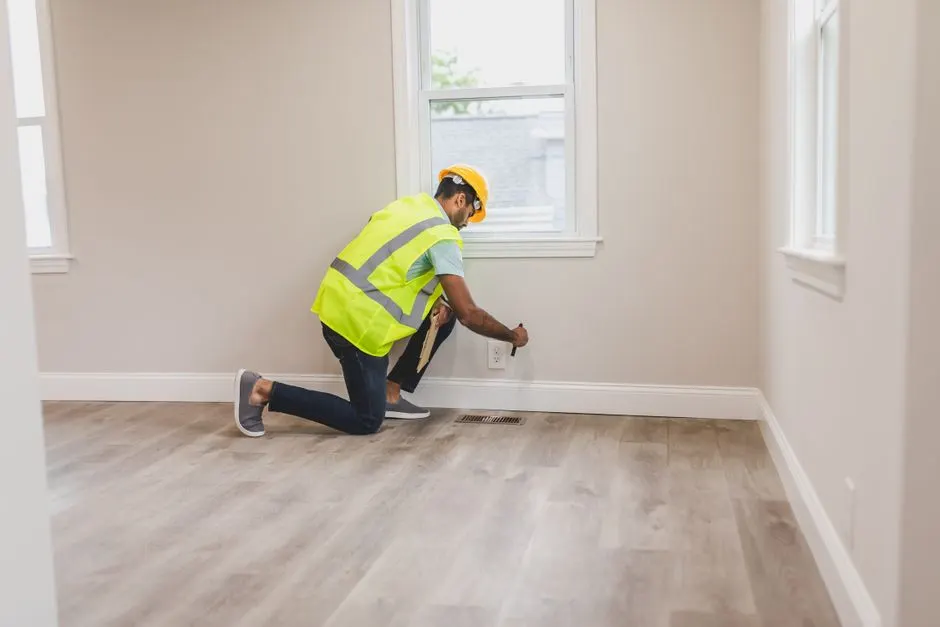
Mold Inspection

Mold Inspection

We inspect Southwest Colorado Springs homes and commercial properties for visible growth, water staining, and moisture sources. In areas such as Skyway and Broadmoor, we account for varied floor plans and exterior exposures, then document the rooms and materials relevant to your concern. The result is a focused picture of what needs attention and whether sampling adds value.

View Details
Residential Mold Inspection

Residential Mold Inspection

For a house in Ivywild, Cheyenne Canyon, or Stratton Meadows, we review the affected room and adjoining areas, including accessible attic, basement, or crawl space locations. We ask about leaks and past repairs, check moisture readings, and explain what the evidence supports. Your inspection is shaped around the home's age, layout, and current symptoms.

View Details
Commercial Mold Inspection

Commercial Mold Inspection

Southwest Colorado Springs businesses need an inspection that accounts for occupied rooms, building systems, and access restrictions. We identify the reported area, inspect related surfaces and moisture conditions, and coordinate the walkthrough to limit disruption. Whether the concern is a ceiling stain or an odor near a service area, our findings help you plan a practical next step.

View Details
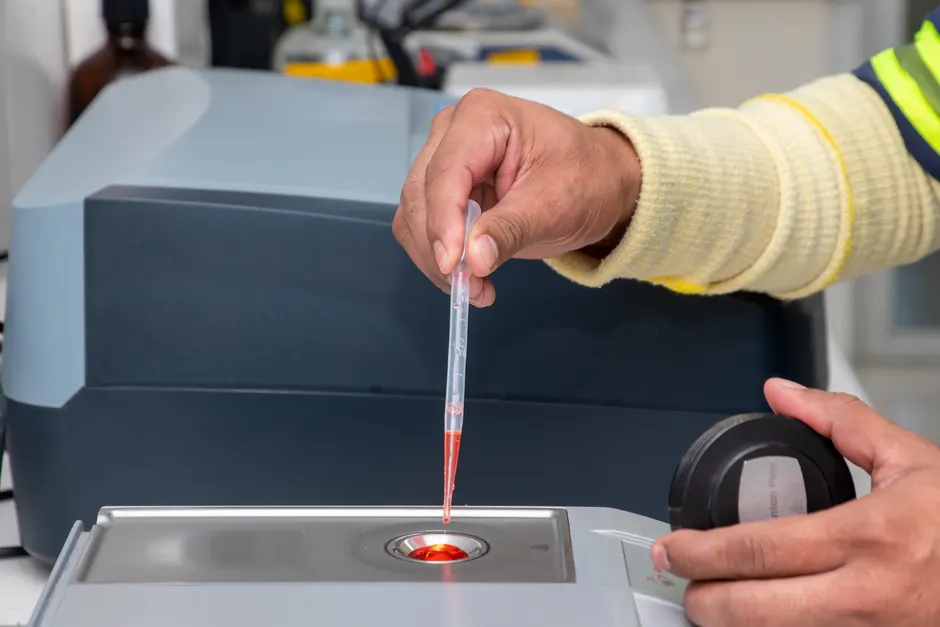
Mold Testing and Sampling

Mold Testing and Sampling

Sampling is selected to address a defined question, such as whether airborne particles differ between a concern area and a comparison location. We use appropriate collection materials and document sample locations in homes across 80905 and 80906. Laboratory analysis supports interpretation; it does not replace an inspection of moisture conditions or building materials.

View Details
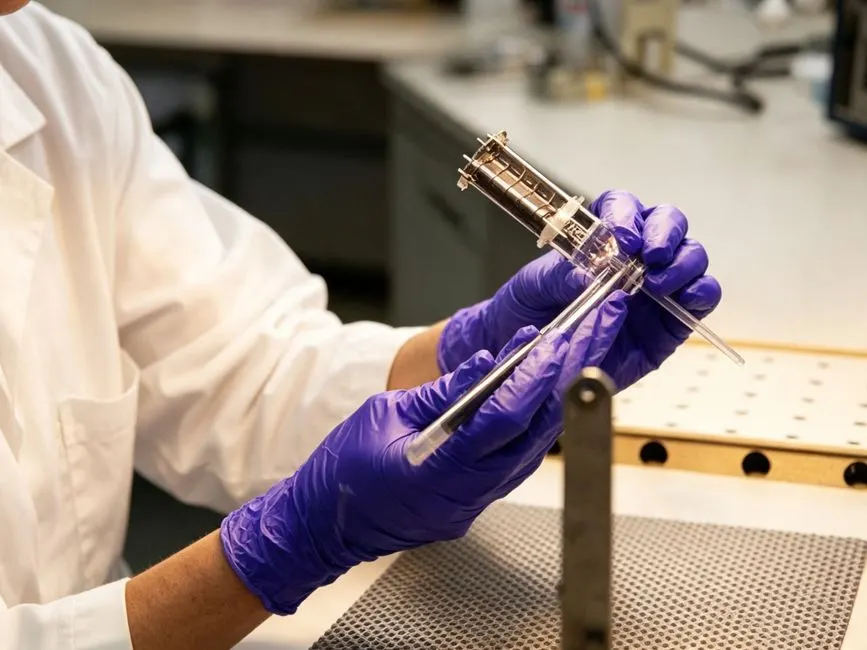
Air Quality Testing for Mold

Air Quality Testing for Mold

When an odor or airborne concern is not limited to one visible surface, we assess the room conditions and determine whether air sampling is useful. A HEPA air sampling pump and spore trap cassette can collect a measured sample for laboratory analysis. We explain the sampling locations and the limits of interpreting a single air result.

View Details
Surface Mold Sampling

Surface Mold Sampling

If a mark on drywall, trim, or another material needs identification, we may collect a surface sample using a sterile swab or tape-lift sampling kit. This can help characterize the sampled material, but it does not measure every room or establish the moisture source. We connect results to the property's observed conditions.

View Details
Indoor Air Quality Assessment

Indoor Air Quality Assessment

We assess indoor air concerns in Southwest Colorado Springs by reviewing the reported symptoms, ventilation context, humidity, and visible building conditions. A hygrometer provides a humidity reading, while an airborne particle counter can add context to a specific investigation. We focus the assessment on actionable findings rather than treating one reading as a complete diagnosis.

View Details
Moisture and Humidity Assessment

Moisture and Humidity Assessment

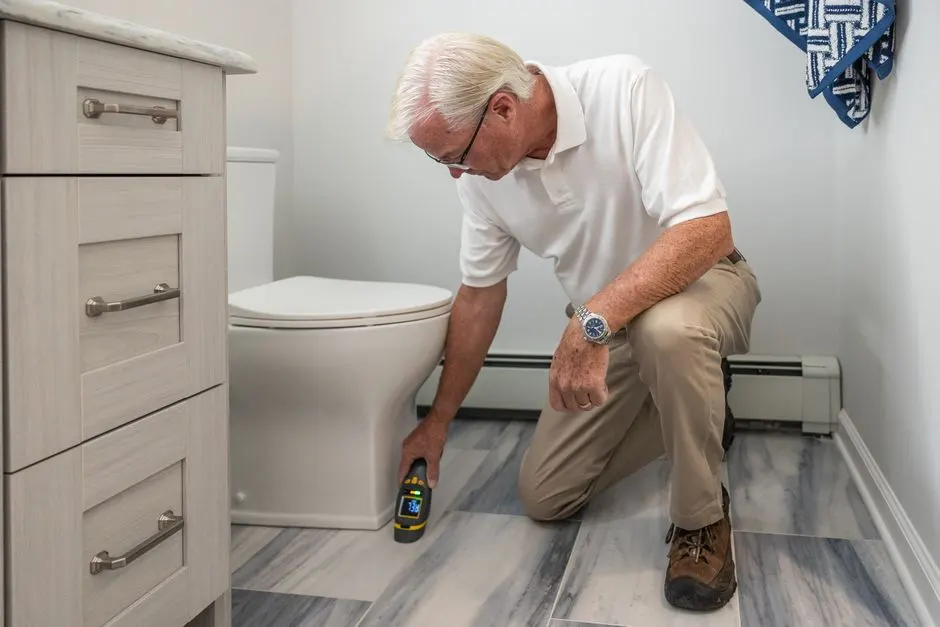
We map moisture around suspected leaks, damp surfaces, and lower-level rooms, using a moisture meter or pinless moisture meter where appropriate. Elevated readings help direct closer inspection; they are not, alone, proof of mold. In foothill homes, we also consider how exterior drainage and indoor humidity relate to the exact area you report.

View Details
Thermal Imaging and Infrared Inspection

Thermal Imaging and Infrared Inspection

Thermal imaging can locate temperature differences that warrant a closer look behind a surface, especially near a suspected leak or exterior wall. We use a FLIR camera as a screening tool, then verify concerns with moisture measurements and visual access where possible. It does not see mold through walls or confirm hidden growth on its own.

View Details
Hidden Mold Investigation

Hidden Mold Investigation

When a persistent odor or recurring stain has no visible source, we follow moisture patterns and inspect adjacent spaces before recommending any opening. A borescope may help view a limited cavity through an existing access point. Our hidden mold investigation keeps the question specific and avoids treating thermal images as confirmation.

View Details
Attic Mold Inspection

Attic Mold Inspection

We inspect accessible attic areas for visible growth, moisture staining, roof-leak evidence, and conditions around ventilation paths. Snow, wind, and rapid temperature changes can affect roofs and exterior walls, so we connect attic observations to the roof and ceiling conditions you report. Safe access and visibility determine the inspection limits.

View Details
Basement and Crawl Space Mold Inspection

Basement and Crawl Space Mold Inspection

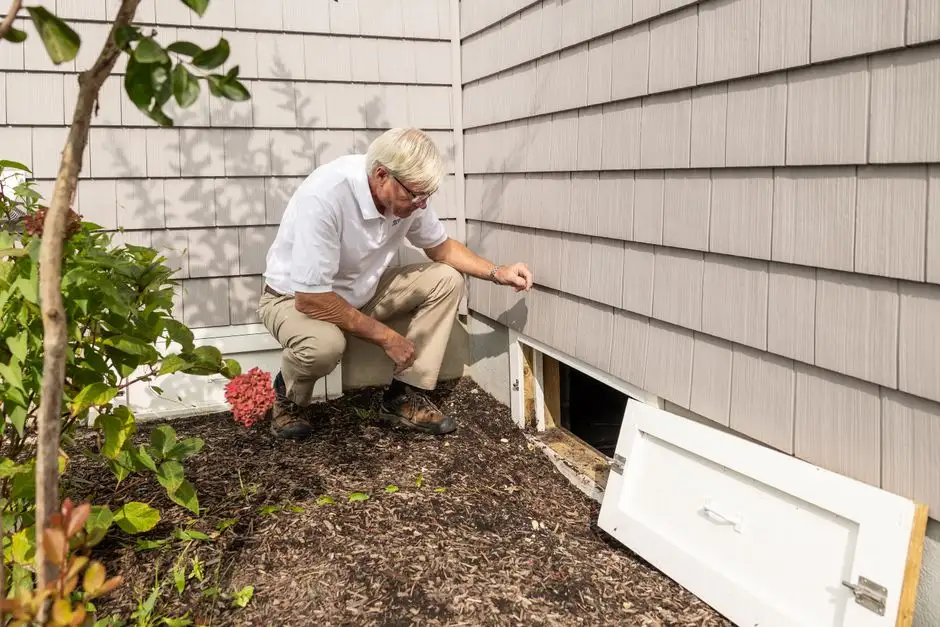
Basements and crawl spaces should be checked when there is a history of seepage or plumbing leaks. We inspect accessible surfaces, look for dampness and odor, and record moisture readings in the affected area. In older Southwest Colorado Springs homes, the reported history helps us distinguish a current concern from an old, dry stain.

View Details
Bathroom and Kitchen Mold Inspection

Bathroom and Kitchen Mold Inspection

Bathrooms and kitchens concentrate plumbing connections, exhaust, and splash zones. We inspect around sinks, tubs, cabinets, and nearby wall surfaces when you report recurring staining or a musty smell. A moisture meter helps check suspect materials, while the visible source and leak history guide whether sampling is appropriate.

View Details
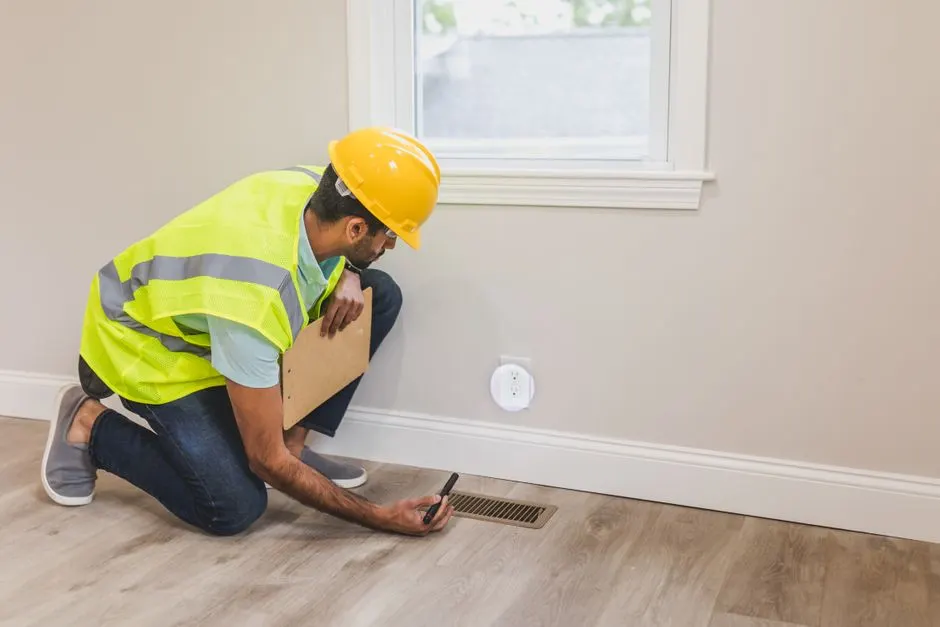
HVAC and Duct Mold Inspection

HVAC and Duct Mold Inspection

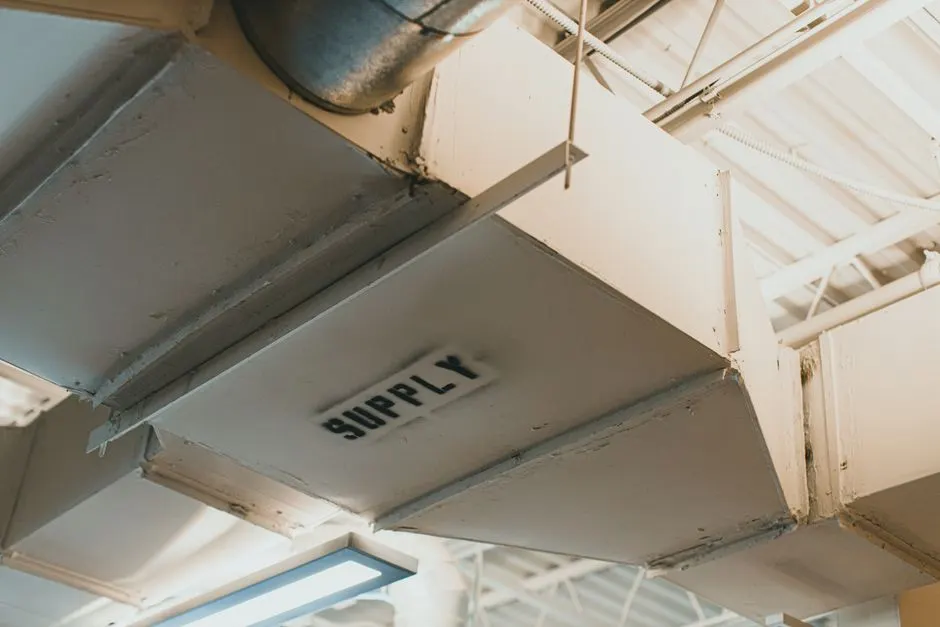
If mold-like material or odor appears near a supply register or air handler, we inspect accessible HVAC components and nearby surfaces. We distinguish dust and staining from suspected growth and document the specific locations examined. Duct access varies by system, so our conclusions match what could be safely viewed and tested.

View Details
Post-Remediation Mold Testing

Post-Remediation Mold Testing

After cleanup, we inspect the work area and check whether visible debris and moisture concerns remain before collecting any agreed samples. Post-remediation mold testing in Southwest Colorado Springs can support a clearance decision when performed against the project conditions and sampling plan. Results are interpreted with the scope of work and the site's condition.

View Details
Clearance Testing and Mold Remediation Verification

Clearance Testing and Mold Remediation Verification

We verify the defined remediation area through a visual review, moisture checks, and sampling where appropriate. The inspection focuses on the agreed work area, cleanliness, and conditions that could affect re-occupancy decisions. We document any limitations so you and your remediation contractor can see what was assessed and what remains unresolved.

View Details
Mold Damage Assessment

Mold Damage Assessment

We document suspected mold-related conditions and moisture damage in the rooms you identify, noting affected materials and visible boundaries. For homes with older repairs or complex finishes, photographs and readings help keep the assessment organized. This service supports repair planning; it does not substitute for a structural evaluation or insurance coverage decision.

View Details
Water Intrusion and Leak Assessment

Water Intrusion and Leak Assessment

A water stain can point to a roof, plumbing, or exterior entry issue, but the visible mark may not show the full path. We inspect the reported location and nearby materials, take moisture readings, and note conditions that merit repair by the appropriate trade. This is useful after wind or snow exposure as well as plumbing leaks.

View Details
Pre-Purchase Mold Inspection

Pre-Purchase Mold Inspection

Buyers in Broadmoor, Skyway, and nearby neighborhoods can arrange a focused inspection before closing. We review the reported areas, accessible lower levels, attic conditions where access allows, and evidence of prior moisture. You receive findings that help frame follow-up questions within the purchase timeline, without assuming that every stain is active mold.

View Details
Mold Inspection for Real Estate Transactions

Mold Inspection for Real Estate Transactions

For a transaction involving a home in Southwest Colorado Springs, we inspect the agreed areas and document observations relevant to the buyer or seller's concern. We can coordinate access with the transaction parties and explain whether sampling was performed. The report gives everyone a clear record of observed conditions and the limits of the visit.

View Details

Common Southwest Property Moisture Concerns

Southwest Colorado Springs has housing that ranges from older residences to larger custom homes, with different roof details, plumbing histories, and lower-level layouts. Foothill topography creates property-specific drainage and water-entry conditions; no single assumption fits every lot. Snow, wind, and rapid temperature changes can affect roofs and exterior walls, while indoor humidity and condensation can dampen cooler surfaces. A Southwest Colorado Springs mold inspector and testing service checks the actual materials and moisture pattern, rather than attributing every stain to the local climate.

Basement dampness after seepage or a plumbing leak

Lower levels may retain dampness after a leak or water entry event, especially if stored items or finishes cover the affected area. A repaired pipe does not automatically confirm that adjacent materials dried. The source and timeline help separate old staining from a current moisture concern.

Roof-related staining after snow and wind exposure

Snow, wind, and rapid temperature changes can affect roof and exterior-wall details. A ceiling stain may be inactive by the time it is inspected, or it may relate to an older repair. Without attic context and moisture checks, its appearance alone cannot establish the source.

Condensation and surface dampness on cooler materials

Indoor humidity, limited air movement, and cool surfaces can contribute to condensation. This may occur around exterior walls, windows, or enclosed spaces. A damp surface can support growth if the condition persists, but a single humidity reading cannot explain the full building pattern.

Musty odors with no visible source

An odor can come from a concealed damp material, an inaccessible cavity, or another building condition. Finished walls and built-ins can hide surfaces in older homes and custom layouts. Odor alone does not identify mold, so the inspection must follow the building evidence.

When to Book a Mold Inspection

Book an inspection when visible mold growth returns, a musty odor persists after cleaning, or materials stay damp after a leak. In Southwest Colorado Springs, a stain following snow, wind, or a plumbing event deserves attention even if the surface has dried. A home mold inspection Southwest Colorado Springs CO can also help before a purchase, after remediation, or when a lower level has a history of seepage. The sooner you identify the moisture pattern, the less likely you are to mistake a symptom for its source.

  • Musty odor returns after cleaning

    A recurring smell can point to moisture or affected material outside the surface you cleaned. Check nearby cabinets, wall edges, and lower-level areas for dampness or staining. If the odor persists for several days or returns after ventilation, an inspection can narrow down where to look.

  • Water stains spread or darken

    A changing stain suggests that water may still be entering or that wet material has not dried fully. Note when it changes and whether it follows snow, wind, or plumbing use. Active leaks need repair promptly; an inspection can document related interior moisture and suspected mold conditions.

  • Basement wall feels damp

    Dampness near a basement wall or floor can follow seepage, a plumbing leak, or condensation. Basements and crawl spaces should be checked when there is a history of seepage or plumbing leaks. Do not cover a damp area before the source is understood.

  • Mold-like growth appears near vents

    Dark material around a register may be dust, staining, or suspected growth, and the appearance alone cannot confirm its identity. Note whether the odor changes when the HVAC runs. An inspection can check nearby surfaces and accessible system components before you arrange cleaning.

  • Attic sheathing has new discoloration

    New marks on accessible attic materials can relate to roof entry, condensation, or a past event. The roof and exterior walls are exposed to snow, wind, and rapid temperature changes. Have the area inspected if staining expands, feels damp, or appears with a ceiling mark.

Local Landmarks for Area Navigation

We use familiar landmarks to orient routes through the Southwest Colorado Springs service area, not as indicators of a property's mold risk. The Broadmoor, Cheyenne Mountain Zoo, and North Cheyenne Cañon Park help distinguish nearby corridors and destinations when arranging an appointment. Bear Creek Regional Park and Ivywild School also provide useful reference points for confirming the general area. We still verify your exact address and entry details before the inspection; a landmark is a navigation aid, not a substitute for a property address.

The Broadmoor

The Broadmoor is a recognizable local destination that helps orient directions in the Broadmoor area. We use it as a general reference when confirming the nearby neighborhood, then rely on the property's street address for the final route.

Cheyenne Mountain Zoo

Cheyenne Mountain Zoo is a well-known orientation point in the southwest foothills. Naming it can help clarify which side of the service area a property is on, while the inspection appointment is directed to the exact home or business address.

North Cheyenne Cañon Park

North Cheyenne Cañon Park provides a clear geographic reference for the Cheyenne Canyon area. It helps distinguish the general destination during route planning; access instructions and the property's address remain the details used for arrival.

Coverage across Southwest Colorado Springs & El Paso County

809518082980909809048090580906809078090380939809388091080917809168091580914809198091880927809248092580922809238092080921

Plus surrounding El Paso County neighborhoods, with same-day routing on most appointments.

Southwest Customer Feedback

Averaging 4.9 / 5 across verified reviews.

“We had a musty smell in the basement after a small plumbing leak and wanted more than a quick look. The inspector checked the wall, nearby storage area, and moisture readings, then explained why one sample was useful. We understood what was found and what the next step should be. The visit took about two hours.”

M

Maya R.

Skyway

“A ceiling stain appeared after a rough weather change, and I was worried about the attic. The inspection covered the room and accessible attic space, with readings explained as they were taken. I appreciated that the thermal image was treated as a clue rather than proof. The notes gave us a practical way to follow up.”

D

Daniel P.

Broadmoor

“We booked an inspection after bathroom discoloration returned following a repair. The inspector checked around the cabinet and plumbing, measured the affected area, and explained the surface sample in plain language. We left knowing which spot needed attention and what the result did not say about the rest of the home.”

L

Leah T.

Ivywild

Seasonal Mold Inspection Planning

In November, Southwest Colorado Springs homeowners should pay close attention to roof and exterior-wall changes as snow, wind, and rapid temperature shifts arrive. A new stain or musty smell after a weather event is easier to investigate while you can identify when it began. Across the year, spring checks can catch lingering winter moisture, summer humidity can affect enclosed rooms, and fall maintenance can reveal roof or plumbing concerns. For attic or basement mold assessment in Southwest Colorado Springs, share the season and event connected to the first sign.

Spring

As winter conditions ease, owners may notice staining that developed under snow or after repeated temperature changes. Spring rain and thaw can also reveal water entry around exterior transitions. Lower-level dampness may become more obvious when stored items are moved for seasonal cleaning.

Tip: Note new stains and odors before repainting or replacing materials. Check accessible basements and crawl spaces after a history of seepage, and arrange inspection if a damp area remains after the source is addressed.

Summer

Summer warmth and indoor humidity can make enclosed rooms feel stuffy, while condensation may appear on cooler surfaces. A bathroom, kitchen, or lower-level odor that strengthens in warm weather deserves a targeted look. Ventilation and active plumbing conditions matter.

Tip: Use a hygrometer to understand room humidity trends, but do not treat one reading as a mold diagnosis. Report where the odor is strongest and whether it changes when the HVAC system runs.

Fall

Fall is a practical time to inspect visible roof and wall staining before winter conditions arrive. Leaves or seasonal maintenance may reveal a previously unnoticed leak, while older interior marks can become easier to compare against current readings.

Tip: Document fresh stains and repair history before covering them. If you find damp materials, address the water source and schedule an inspection to check how far the moisture pattern extends.

Winter

Snow, wind, and rapid temperature changes can affect roofs and exterior walls in Southwest Colorado Springs. A ceiling stain may appear during a weather event and dry later, so timing matters. Condensation can also show up on cold surfaces.

Tip: Record when a stain first appeared and whether it changes after snow or wind. Keep access clear to the affected room and report any active leak promptly so the source can be handled before the mold assessment.

Southwest Colorado Springs Mold Testing FAQs

Real answers from our team for the questions we hear most often before a job starts.

How much does mold inspection and testing cost in Southwest Colorado Springs?
A standard residential inspection usually costs about $250-$600 in 2026, with laboratory sampling and larger properties increasing the total. The price depends on rooms inspected, access, and the number and type of samples. We explain the charge before work starts. A typical visit takes about 1.5 to 3 hours, and lab turnaround depends on the analysis selected.
Where can I find a mold inspector near Southwest Colorado Springs?
Colorado Springs Mold Testing serves Southwest Colorado Springs, including Skyway, Broadmoor, Ivywild, Cheyenne Canyon, and Stratton Meadows. Call +18668968166 to discuss the concern and arrange an inspection in ZIP codes 80905 or 80906. We inspect the reported area, check moisture conditions, and recommend sampling when it answers a defined question.
How soon can I book mold testing in Southwest Colorado Springs, Colorado?
Appointments are scheduled by phone, and same-day service is available when the route and inspection scope allow. Call +18668968166 with your address, access details, and the concern you have noticed. If water is actively entering, arrange repair through the appropriate trade and tell us which materials became wet so the inspection can focus on the affected area.
Can an inspector check for hidden mold in a Southwest Colorado Springs home?
Yes, we investigate suspected hidden mold by following odor and moisture evidence and checking accessible adjoining areas. A moisture meter, thermal imaging, or a borescope through an existing opening can help direct the inspection, but none confirms mold by itself. We explain access limits and use sampling when it addresses a specific question.
Is post-remediation mold testing available in Southwest Colorado Springs CO?
Yes, post-remediation testing is available for Southwest Colorado Springs properties after cleanup. We inspect the defined work area, check visible conditions and moisture, and collect samples when appropriate to the agreed verification plan. Independent mold testing after cleanup in Southwest Colorado Springs CO provides findings tied to the site conditions and the scope reviewed.

Book Mold Inspection and Testing in Southwest Colorado Springs

If a stain, leak history, or musty odor is keeping you from making a decision, call Colorado Springs Mold Testing at +18668968166. We inspect homes and businesses across Southwest Colorado Springs, including 80905 and 80906, and explain what the evidence shows. Ask about inspection, sampling, or post-remediation verification for your property. Call now to arrange the next available appointment.

Call Our Team Send a Message

Contact Our Inspection Team

Call Colorado Springs Mold Testing at +1 866-896-8166 to talk through a leak, musty odor, visible growth, or post-remediation question. Our office hours are Monday through Friday, 8:00 a.m. to 6:00 p.m.; leave a message outside those hours and we will respond during the next business period. We serve Colorado Springs, CO, including ZIP codes 80909, 80904, and 80906.

Or call us right now at +18668968166 — we answer.

Colorado Springs Mold Testing


  • Phone

    +18668968166
  • Address

    Colorado Springs

  • Hours

    Mon–Fri: 7AM – 7PM
    Sat: 8AM – 4PM
    Sun: Emergency Only
    24/7 Emergency Available

Call +18668968166 Get Quote
Call Quote