











Logo
Get Estimate

Mold Inspection and Testing in Knob Hill

Mold Inspection and Testing in Knob Hill helps you identify visible growth, hidden moisture, and indoor air concerns before repairs begin. Our Knob Hill mold inspector and testing service works across older residences and mixed-use buildings, from the East Platte Avenue corridor to the North Circle Drive area. We inspect the conditions behind musty odors or water marks, then explain what the findings mean and what to do next.

Call for Testing Request Inspection
Local service area Phone scheduling Inspection focus
Licensed Licensed & Bonded
Fully Insured Insured & Bonded
24/7 Emergency Same-Day Response
Warranty Backed Workmanship Guaranteed in Knob Hill
Knob Hill

Mold Inspection and Testing in Knob Hill


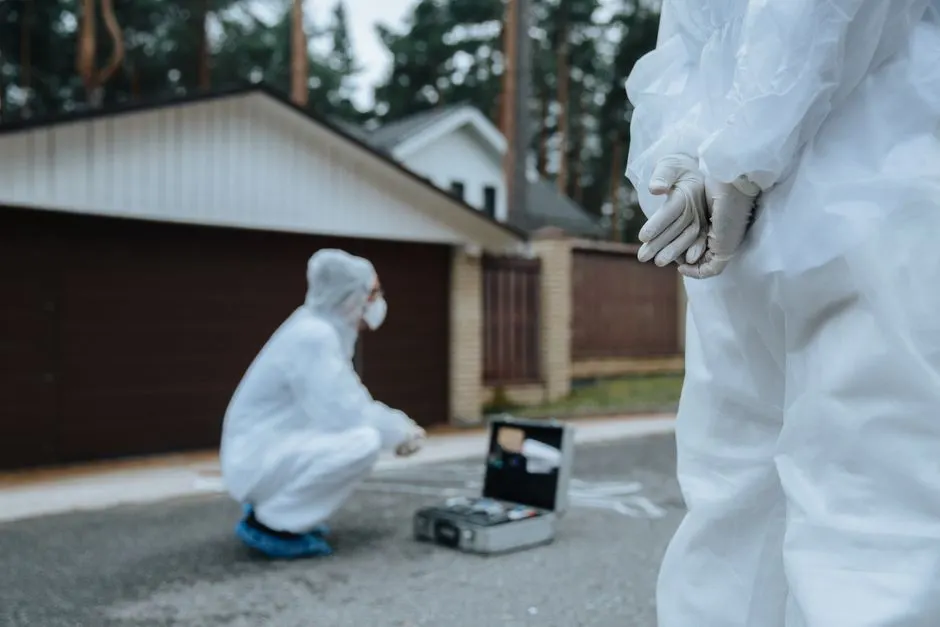
Mold Inspection and Testing in Knob Hill is an indoor environmental inspection service that evaluates moisture conditions and collects samples when evidence supports testing. Colorado Springs Mold Testing serves residences and businesses around the Knob Hill Urban Arts District, South Institute Street area, and the East Platte Avenue corridor, where older building systems and renovated interiors call for careful, location-specific checks. Our mold assessment company serving Knob Hill, Colorado looks for visible mold growth, water intrusion, condensation, and signs of concealed dampness rather than treating every discoloration as a mold problem. We use a moisture meter and thermal imaging camera to focus the inspection; when sampling is useful, we collect material for laboratory analysis. You receive a clear account of the inspected areas, readings, sample locations, and recommended next steps. That gives you a practical basis for repairs, a property purchase, or post-cleanup verification.

  • Locally licensed and insured in Knob Hill
  • Same-day diagnostics and written estimates
  • Real workmanship warranty in writing
  • Background-checked, in-house technicians

Knob Hill Mold Inspection Services

Knob Hill properties need inspections that match the building and the symptom: a musty basement, a leak stain, or an odor near a heating register are different starting points. We work throughout ZIP code 80909 and assess homes, offices, and mixed-use properties with access arranged around occupants. If you are looking for Mold Inspection and Testing near me in Knob Hill CO, tell us where the problem appears, when it began, and whether any repairs or cleanup have already taken place. Those details help us choose the right inspection and sampling plan.

Mold Inspection

Mold Inspection

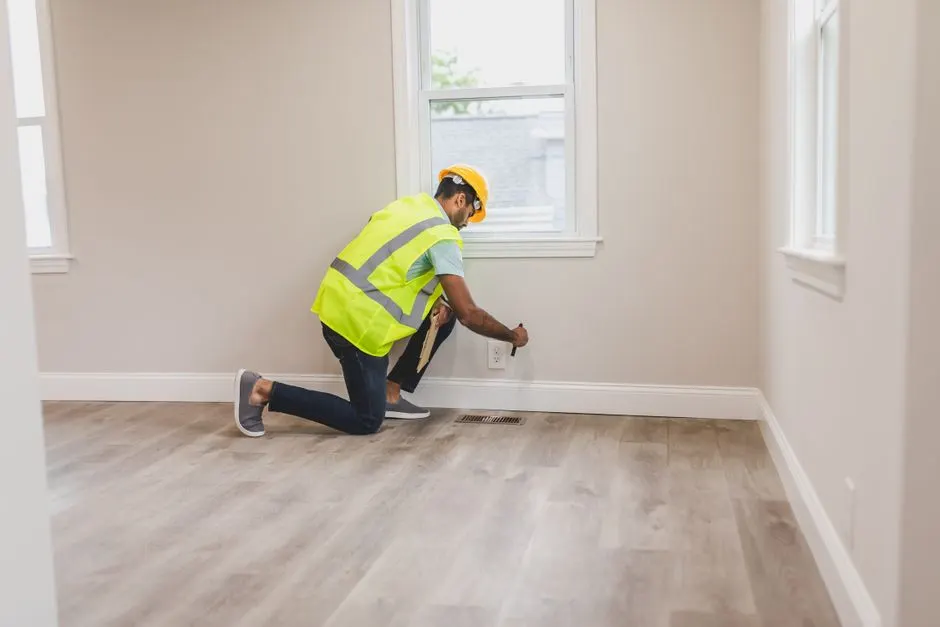
Our Mold Inspection in Knob Hill starts with the reported symptom and a room-by-room visual review. We check accessible building surfaces, plumbing areas, and moisture pathways in older homes near South Institute Street and commercial spaces along Platte Avenue. You get documented observations and a clear explanation of whether sampling or further investigation is warranted.

View Details
Residential Mold Inspection

Residential Mold Inspection

For a home in Knob Hill, we inspect the rooms you use every day as well as accessible basements, attics, and utility spaces. A ceiling mark below a bathroom or a persistent odor after renovation gives us a starting point. We record moisture readings and explain findings without assuming every stain is mold.

View Details
Commercial Mold Inspection

Commercial Mold Inspection

Knob Hill's mixed-use buildings call for practical coordination with occupants, employees, and property managers. We inspect the affected suite or common area, note access limits, and consider nearby plumbing or HVAC pathways. Our findings help owners decide whether further sampling, leak repair, or a targeted remediation plan is appropriate.

View Details
Mold Testing and Sampling

Mold Testing and Sampling

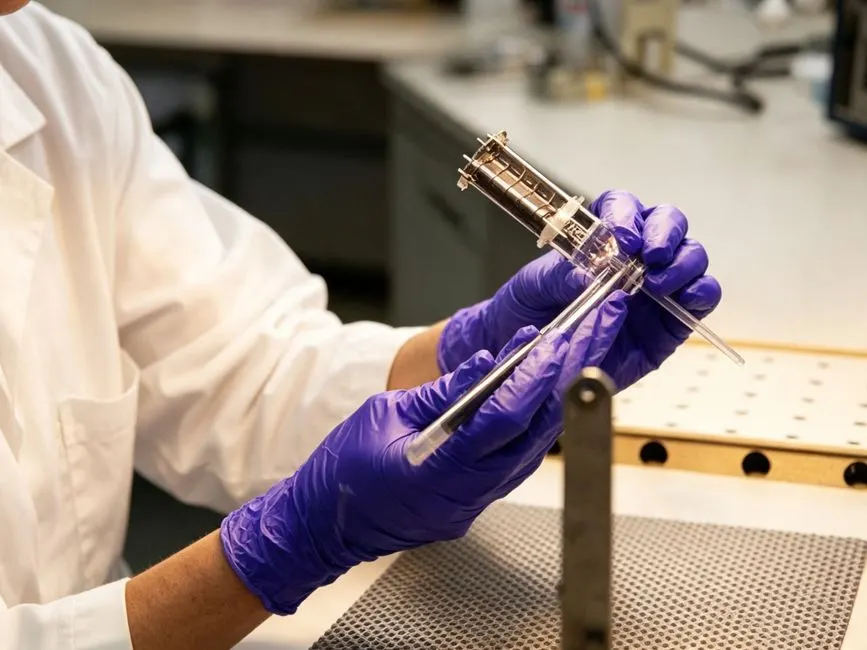
Sampling in Knob Hill is selected to answer a defined question, not performed automatically in every room. We may collect indoor air or surface samples near a suspected source and compare results with an appropriate reference. A spore trap cassette or sterile swab is labeled by location so results can be interpreted against the inspection notes.

View Details
Air Quality Testing for Mold

Air Quality Testing for Mold

If a Knob Hill occupant notices a persistent musty odor or airborne concern, we can collect air samples at selected locations. We use a HEPA air sampling pump with a spore trap cassette and document conditions during collection. Results are interpreted alongside visible conditions and moisture findings, not as a standalone pass-or-fail diagnosis.

View Details
Surface Mold Sampling

Surface Mold Sampling

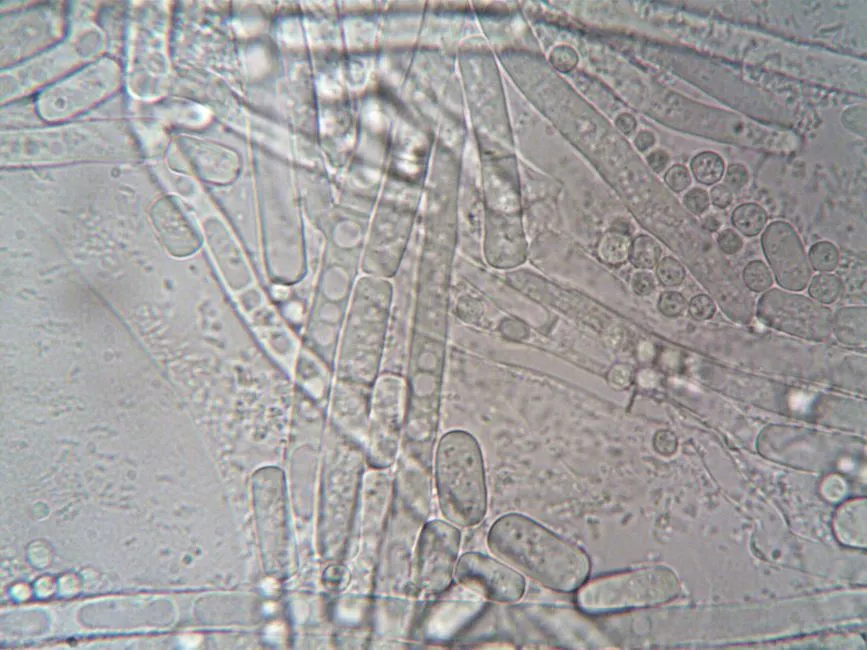
When growth is visible on a Knob Hill wall, trim, or other surface, we select a sample method suited to the material and question. A tape-lift sampling kit or surface sampling swab can help characterize the collected material. We note the exact surface and nearby moisture evidence so the result has useful context.

View Details
Indoor Air Quality Assessment

Indoor Air Quality Assessment

An indoor air quality assessment in Knob Hill considers moisture, ventilation, odors, and occupant observations together. We inspect relevant rooms and use measurements to identify conditions that deserve follow-up. If sampling is appropriate, we explain where it will be collected and what the laboratory report can establish before proceeding.

View Details
Moisture and Humidity Assessment

Moisture and Humidity Assessment

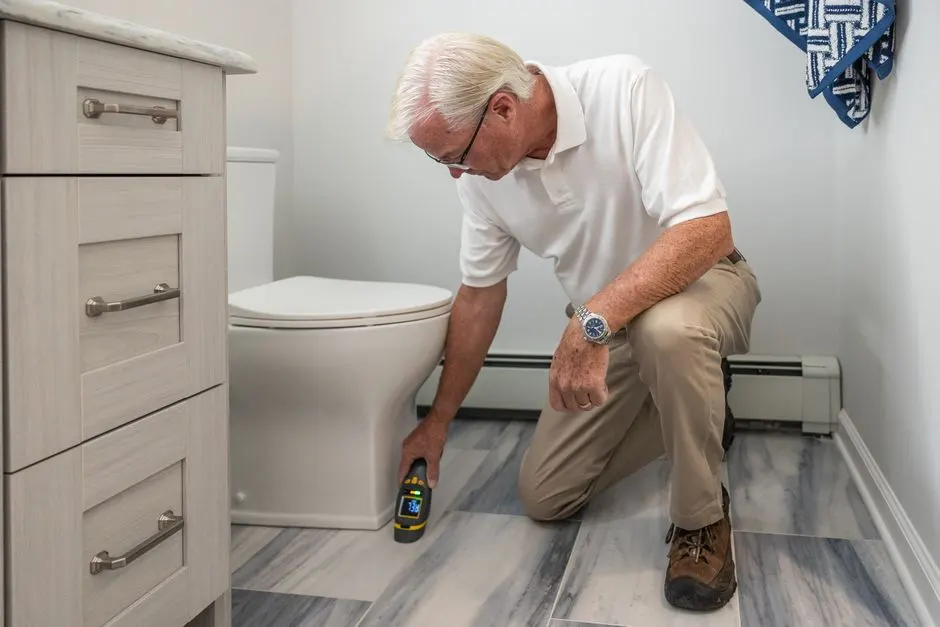
Our Knob Hill moisture assessment checks damp building materials and indoor humidity rather than relying on smell alone. A hygrometer records relative humidity while a moisture meter helps compare suspect areas with nearby materials. This is useful after a plumbing leak, during a condensation concern, or when a renovated wall feels damp.

View Details
Thermal Imaging and Infrared Inspection

Thermal Imaging and Infrared Inspection

In Knob Hill, thermal imaging helps identify temperature patterns that deserve closer investigation; it does not prove mold is present. We use a FLIR thermal imaging camera to scan accessible surfaces, then verify suspicious areas with direct inspection or moisture readings. This can narrow the search before opening a finished wall.

View Details
Hidden Mold Investigation

Hidden Mold Investigation

A hidden mold investigation in Knob Hill follows evidence such as a recurring odor, prior leak, or elevated moisture reading. We use non-invasive checks first and discuss any targeted access needed before proceeding. A borescope can help view a concealed cavity through a suitable existing opening without treating the whole wall as suspect.

View Details
Attic Mold Inspection

Attic Mold Inspection

Attic inspections in Knob Hill focus on roof leak evidence, ventilation, condensation, and the condition of accessible framing and sheathing. We note whether staining is dry, damp, or associated with a current moisture source. This helps distinguish an old mark from an active condition that needs repair before cleanup.

View Details
Basement and Crawl Space Mold Inspection

Basement and Crawl Space Mold Inspection

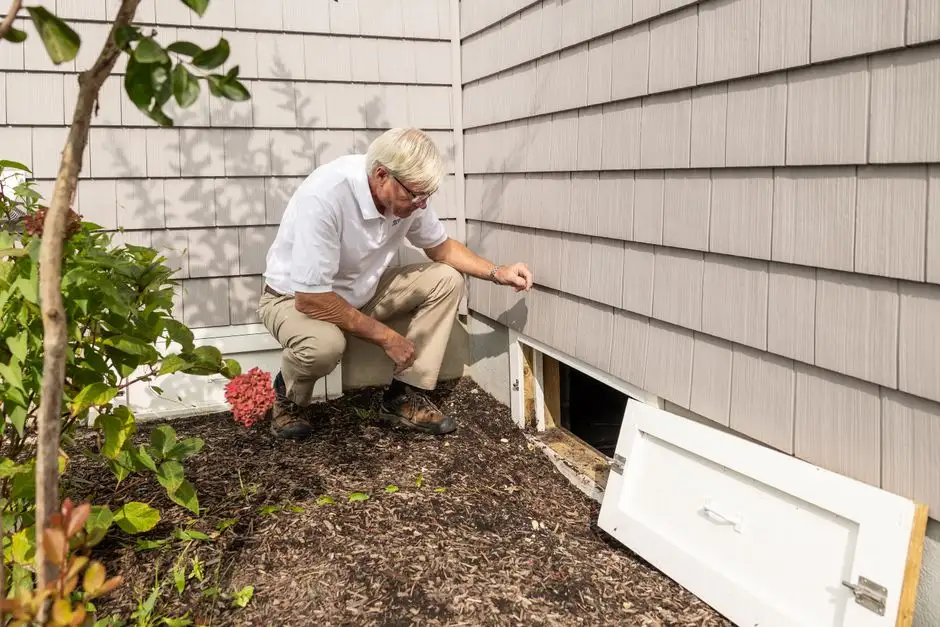
Basements and crawl spaces in Knob Hill are checked for water entry, plumbing leaks, damp materials, and musty air. We inspect accessible areas and record moisture conditions so you can see where a concern is concentrated. If access is restricted, we identify the limitation and focus on reachable evidence and adjoining rooms.

View Details
Bathroom and Kitchen Mold Inspection

Bathroom and Kitchen Mold Inspection

A bathroom or kitchen call in Knob Hill often starts with a cabinet leak, failed seal, or damp wall around plumbing. We inspect visible surfaces and nearby materials, then trace moisture before recommending sampling. This approach helps separate a small, localized issue from a leak affecting an adjoining room or floor.

View Details
HVAC and Duct Mold Inspection

HVAC and Duct Mold Inspection

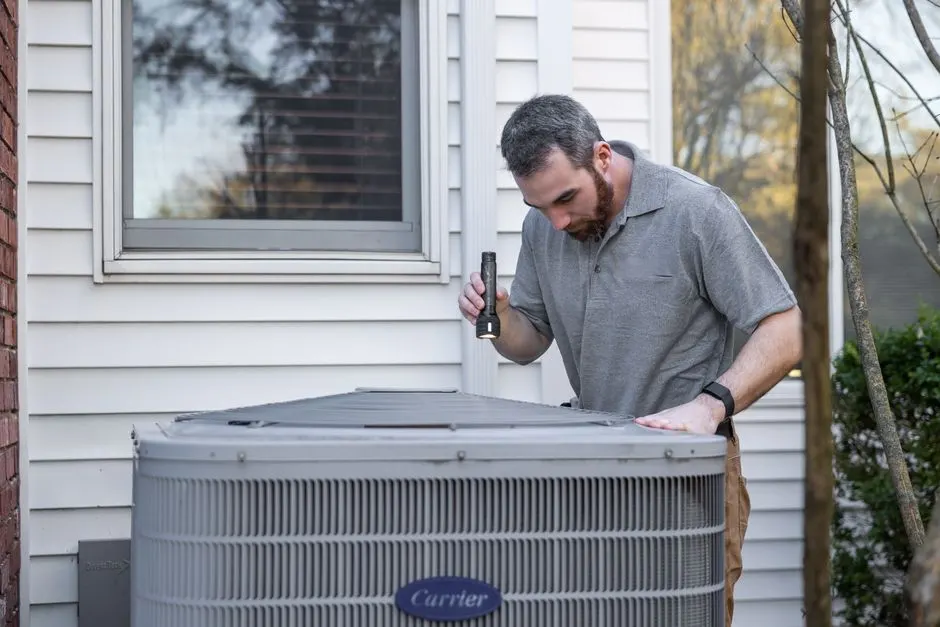
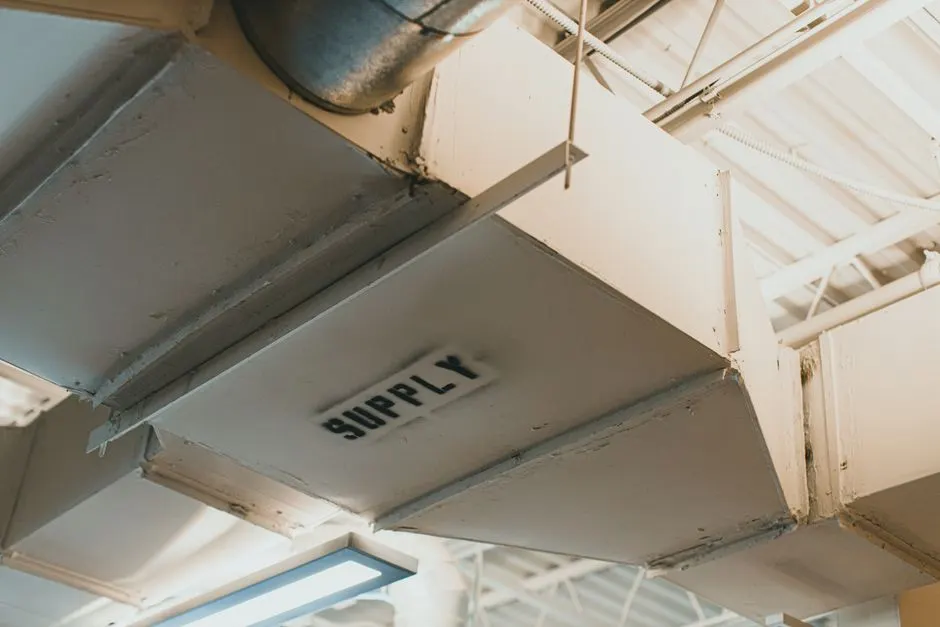
If a Knob Hill odor becomes noticeable when the system runs, we inspect accessible HVAC components and nearby surfaces for moisture and visible residue. We do not equate dust with mold. Findings guide whether air sampling, targeted surface sampling, or an HVAC contractor's separate mechanical evaluation is the next useful step.

View Details
Post-Remediation Mold Testing

Post-Remediation Mold Testing

After cleanup in Knob Hill, independent testing can document visible conditions, moisture status, and selected sample results. We review the treated area and adjacent spaces, then collect samples when the project conditions and agreed protocol support them. This helps owners and occupants understand whether remaining concerns require additional work.

View Details
Clearance Testing and Mold Remediation Verification

Clearance Testing and Mold Remediation Verification

Clearance testing in Knob Hill evaluates the work area after remediation, including visible cleanliness and moisture conditions. We document what was inspected and collect agreed samples where appropriate. The result gives property owners a separate verification record, particularly useful when a prior leak affected occupied or shared spaces.

View Details
Mold Damage Assessment

Mold Damage Assessment

A mold damage assessment in Knob Hill documents affected materials, moisture indicators, and the apparent extent of visible conditions. We distinguish observed damage from areas that remain unverified, helping owners plan repair conversations with the right trades. Photographs and location notes make the findings easier to follow after the visit.

View Details
Water Intrusion and Leak Assessment

Water Intrusion and Leak Assessment

For water intrusion in Knob Hill, we inspect the reported area and nearby building materials for moisture patterns that could support mold growth. We look for evidence consistent with roof or plumbing leaks and record readings. The inspection helps you prioritize source repair and decide whether mold sampling is needed.

View Details
Pre-Purchase Mold Inspection

Pre-Purchase Mold Inspection

A pre-purchase inspection in Knob Hill gives buyers a focused review of reported odors, staining, and accessible moisture concerns before a transaction. We pay attention to older plumbing and renovated finishes, documenting conditions that merit repair or more investigation. Coordinate the visit with your property access window and inspection period.

View Details
Mold Inspection for Real Estate Transactions

Mold Inspection for Real Estate Transactions

For Knob Hill real estate transactions, we document the areas inspected, observations, readings, and any samples collected. Buyers, sellers, and agents can use the report to discuss a specific concern with clear location details. Mixed-use buildings receive attention to the affected unit and relevant accessible shared areas.

View Details

Common Knob Hill Moisture Problems

Knob Hill's building mix creates several recurring inspection patterns: older plumbing, aging exterior details, renovations over existing finishes, and interior condensation during temperature shifts. The East Platte Avenue corridor and North Circle Drive area include varied property uses, so one building's moisture path may differ from the next. A Knob Hill mold inspector and testing service should document the actual materials and source clues rather than infer a problem from neighborhood age. Water intrusion, roof or plumbing leaks, and damp basements are investigated separately from HVAC concerns.

Hidden moisture behind renovated drywall and fresh paint

A renovation can cover staining or damp materials before the original water source is fully corrected. New finishes in older Knob Hill buildings may make the surface appear sound while moisture remains behind it. A recurring odor or bubbling paint is a reason to inspect, not proof of concealed mold.

Plumbing leaks dampening walls, cabinets, or lower floors

Aging supply or drain connections can leak slowly inside a wall or under a cabinet. In older residential and commercial buildings, water may travel along framing before appearing away from the fitting. A small surface mark can therefore represent a larger moisture path, or a localized event that has already dried.

Condensation and surface dampness during cold swings

When indoor moisture meets a cold surface, condensation can form around windows, exterior corners, or exposed piping. Knob Hill's seasonal temperature changes can make those conditions fluctuate from one day to another. If dampness repeats, nearby finishes may deteriorate or support growth over time.

Attic or basement dampness after roof or water entry

A roof leak, plumbing event, or water entry at a lower level can leave framing and stored materials damp. Poorly documented repairs may leave uncertainty about how far water traveled. Musty air in an attic, basement, or crawl space should be considered with visible conditions and moisture evidence.

When to Call a Knob Hill Mold Inspector

Call for an inspection when a musty odor persists, a stain returns after painting, or a leak has left building materials damp. In Knob Hill, older plumbing and changing indoor temperatures can leave moisture in concealed areas without obvious surface growth. A home mold inspection Knob Hill CO can help you separate a current moisture source from an old, dry mark. Tell us when the symptom began, whether it changes after rain or heating-system use, and what repairs have already happened. That history helps us focus the visit.

  • Musty odor returns after cleaning

    A persistent or recurring odor can point to damp materials, a concealed leak, or a contaminated HVAC component. The smell alone does not confirm mold, but repeated odor in the same room deserves a moisture check. Note whether it strengthens near a wall, cabinet, basement, or supply register.

  • Water stain reappears on a ceiling

    A recurring mark often means moisture is still entering or the material has not dried fully. In a Knob Hill building, the source could be plumbing or a roof detail above the stain. Arrange an inspection promptly if the area feels soft, grows, or becomes wet after weather or fixture use.

  • Paint bubbles or drywall feels damp

    Blistering paint and soft drywall can indicate moisture behind the finish. A moisture meter helps compare the suspect spot with nearby material, while thermal imaging can identify patterns for verification. Avoid covering the area again until the source and extent are understood.

  • Condensation persists on cold surfaces

    Repeated condensation around windows, pipes, or exterior walls can keep nearby materials damp. Seasonal temperature swings in Knob Hill can make the pattern more noticeable in cold weather. A humidity and moisture assessment identifies whether the issue is limited to surface condensation or linked to a concealed leak.

  • Odor appears when HVAC starts

    An odor that changes when the heating or cooling system runs may come from a damp component, nearby material, or another indoor source. We inspect accessible surfaces and relevant areas, then recommend sampling only when it answers a defined question. Do not assume dust or odor alone proves mold.

Knob Hill Landmarks and Access

Local orientation helps us reach the correct block and entrance, particularly where a property has more than one suite or access point. Platte Avenue is a useful route reference for the East Platte Avenue corridor, while Memorial Park and the Colorado Springs Event Center help identify the broader surrounding area. The Knob Hill Urban Arts District provides another neighborhood reference when confirming an address. These landmarks guide navigation only; we inspect the property address and reported area, not the landmarks themselves. For a visit, we confirm parking, access, and the unit or room with you.

Knob Hill Urban Arts District

The district is a local orientation point when locating nearby streets and confirming a business or residential address. We use the address and entry instructions you provide to identify the property, rather than treating the district as a precise building location.

Memorial Park

Memorial Park helps place the surrounding area on a local route plan. It is a geographic reference only; it does not determine inspection scope or indicate that a property has a moisture concern.

Colorado Springs Event Center

The Colorado Springs Event Center serves as a recognizable area reference when planning access near Knob Hill. We still verify the street address and parking or entrance details directly with the customer.

Coverage across Knob Hill & El Paso County

809518082980909809048090580906809078090380939809388091080917809168091580914809198091880927809248092580922809238092080921

Plus surrounding El Paso County neighborhoods, with same-day routing on most appointments.

Knob Hill Customer Feedback

Averaging 4.9 / 5 across verified reviews.

“We had a musty smell in the basement and could not find a leak. The inspector checked the wall and nearby plumbing, showed us the moisture readings, and explained why one surface sample made sense. The report identified the exact location and gave us a useful next step. It was clear and direct, not a sales pitch.”

M

Mara L.

East Platte Avenue corridor

“Our renovated office had an odor near a finished wall. The inspection used thermal imaging to narrow down the area, then checked the surface rather than calling the whole space contaminated. We appreciated the explanation of what was measured and what still needed access. Scheduling and entry coordination were straightforward for our business.”

D

Daniel R.

Knob Hill Urban Arts District

“After a bathroom leak and cleanup, we wanted an independent check before closing the wall. The inspector documented the adjoining room, checked moisture, and collected the samples we discussed. The results were tied to the sample locations, which made it much easier to talk with the contractor about the remaining work.”

T

Tasha B.

South Institute Street area

Knob Hill Mold Concerns by Season

As November brings colder conditions, Knob Hill property owners should watch for condensation on cold surfaces and plumbing leaks that become apparent after temperature changes. Winter checks focus on damp window areas, exterior walls, and plumbing routes; spring brings snowmelt and roof-leak follow-up. Summer storms can expose water entry, while fall is a useful time to inspect attics and drainage before colder weather. If you need attic or basement mold assessment in Knob Hill, tell us whether the odor or stain changes with weather, heating, or rainfall.

Spring

As snow and seasonal moisture recede, check ceilings and upper walls for fresh staining that may point to a roof leak. Basements and lower-level materials can also show dampness after water entry. We inspect the affected route and compare readings rather than assuming the stain is mold.

Tip: After a storm or thaw, photograph new marks and note when they appeared. If a surface is wet, arrange source repair and moisture assessment before repainting or replacing finish materials.

Summer

Summer storms can reveal roof or exterior water entry, while warm indoor air may affect cooler basement surfaces. A musty odor after rain deserves a check if it returns in the same room or near a known leak. We inspect accessible surfaces and document moisture evidence.

Tip: Keep gutters and drainage paths clear and address visible leaks promptly. If indoor humidity remains above 60 percent for extended periods, use ventilation or dehumidification and have persistent damp materials assessed.

Fall

Fall is a practical time to look for roof, attic, and plumbing concerns before winter temperatures arrive. A previously dry stain may become noticeable as indoor heating changes surface conditions. We check attic access, visible sheathing, and reported leak areas where safely accessible.

Tip: Before cold weather, repair known leaks and note any recurring odor or dampness. Avoid sealing a stained surface until it is dry and the water source has been addressed.

Winter

In winter, cold exterior surfaces and warmer indoor air can produce condensation around windows, pipes, and exterior corners. Temperature swings can also expose plumbing weaknesses. We record humidity and moisture conditions and distinguish condensation patterns from evidence consistent with a leak.

Tip: Keep indoor humidity near 30-50 percent when practical and avoid directing humidifier output toward cold surfaces. If a pipe leaks, stop the water source and arrange assessment of affected materials once the area is safe to access.

Nearby Colorado Springs Service Areas

Knob Hill is part of our broader Colorado Springs service area in El Paso County. We coordinate visits across nearby communities while keeping each inspection tied to the property address, building type, and reported condition. That regional coverage supports homeowners, buyers, property managers, and businesses who need an inspection near Knob Hill or elsewhere in the city. Additional service areas include Downtown Colorado Springs, Old Colorado City, Westside, Broadmoor, Broadmoor Bluffs, and Cheyenne Canyon.

Mold Inspection and Testing in Knob Hill FAQs

Real answers from our team for the questions we hear most often before a job starts.

How much does mold inspection and testing cost in Knob Hill?
A focused visual and moisture inspection commonly costs $180-$450 in 2026 and takes about 2-4 hours; laboratory samples often add $75-$150 each. Larger properties, multiple rooms, difficult access, or post-remediation protocols can raise the price. We explain the cost before starting. If you are arranging mold testing for a home in Knob Hill, Colorado, tell us the affected rooms, leak history, and whether cleanup has already occurred so we can match the work to your question.
Where can I find a mold inspector near Knob Hill?
Colorado Springs Mold Testing serves Knob Hill and nearby parts of Colorado Springs, including the East Platte Avenue corridor and South Institute Street area. Call +1 866-896-8166 to describe the property and concern. We inspect homes and mixed-use buildings in ZIP code 80909, document moisture conditions, and collect samples when they serve a clear purpose. If you are searching for mold testing near Knob Hill, give us the address and access details so we can plan the visit.
How soon can I book mold testing in Knob Hill, Colorado?
Same-day appointments are possible when an opening is available; otherwise, we arrange the next suitable visit by phone. For an active leak, stop the water source first and tell us which rooms or materials are affected. We coordinate entry with homeowners, tenants, or business managers across Knob Hill and El Paso County. Call +1 866-896-8166 with your ZIP code, property type, and any time-sensitive real estate or cleanup deadline.
Can an inspector check for hidden mold in a Knob Hill home?
Yes, we investigate concealed moisture using visual checks, moisture readings, and thermal imaging, with targeted access discussed when needed. A thermal pattern alone does not prove mold. We follow evidence such as a recurring odor, prior leak, or damp finish and document what can be verified. If you need a hidden mold inspector serving Knob Hill CO, share the renovation and leak history so we can focus on the right wall, room, or adjoining area.
Is post-remediation mold testing available in Knob Hill CO?
Yes, we provide independent post-remediation mold testing in Knob Hill after the work area is ready for evaluation. We review visible cleanliness and moisture conditions, then collect agreed samples when they help answer the clearance question. Sample locations and conditions are documented for the report. Call before the area is closed or rebuilt if you want verification to include accessible surfaces that could otherwise become concealed.

Book Mold Inspection and Testing in Knob Hill

A recurring odor, damp wall, or post-cleanup concern deserves a clear inspection plan. We serve Knob Hill homes and businesses in Colorado and coordinate access around your property. Call Colorado Springs Mold Testing at +1 866-896-8166 to describe the affected area and arrange an inspection. Our team documents the conditions and explains the next step. Call now to schedule.

Call Our Team Send a Message

Contact Our Inspection Team

Call Colorado Springs Mold Testing at +1 866-896-8166 to talk through a leak, musty odor, visible growth, or post-remediation question. Our office hours are Monday through Friday, 8:00 a.m. to 6:00 p.m.; leave a message outside those hours and we will respond during the next business period. We serve Colorado Springs, CO, including ZIP codes 80909, 80904, and 80906.

Or call us right now at +18668968166 — we answer.

Colorado Springs Mold Testing


  • Phone

    +18668968166
  • Address

    Colorado Springs

  • Hours

    Mon–Fri: 7AM – 7PM
    Sat: 8AM – 4PM
    Sun: Emergency Only
    24/7 Emergency Available

Call +18668968166 Get Quote
Call Quote